A proclamation signed Friday removes some wood, paper, machinery and packaging products from the Section 338 duties on Canada and adds others, effective Oct. 30. The president said Canada is "working very hard to make a deal."
The U.S. has changed which Canadian goods face its extra tariffs. It has not said whether the change makes the tariffs smaller.
President Donald Trump signed a proclamation on Friday to "further refine the scope" of the duties imposed on Canadian products under Section 338, according to a White House fact sheet. The tariffs were first announced on July 20 and modified on Sept. 8.
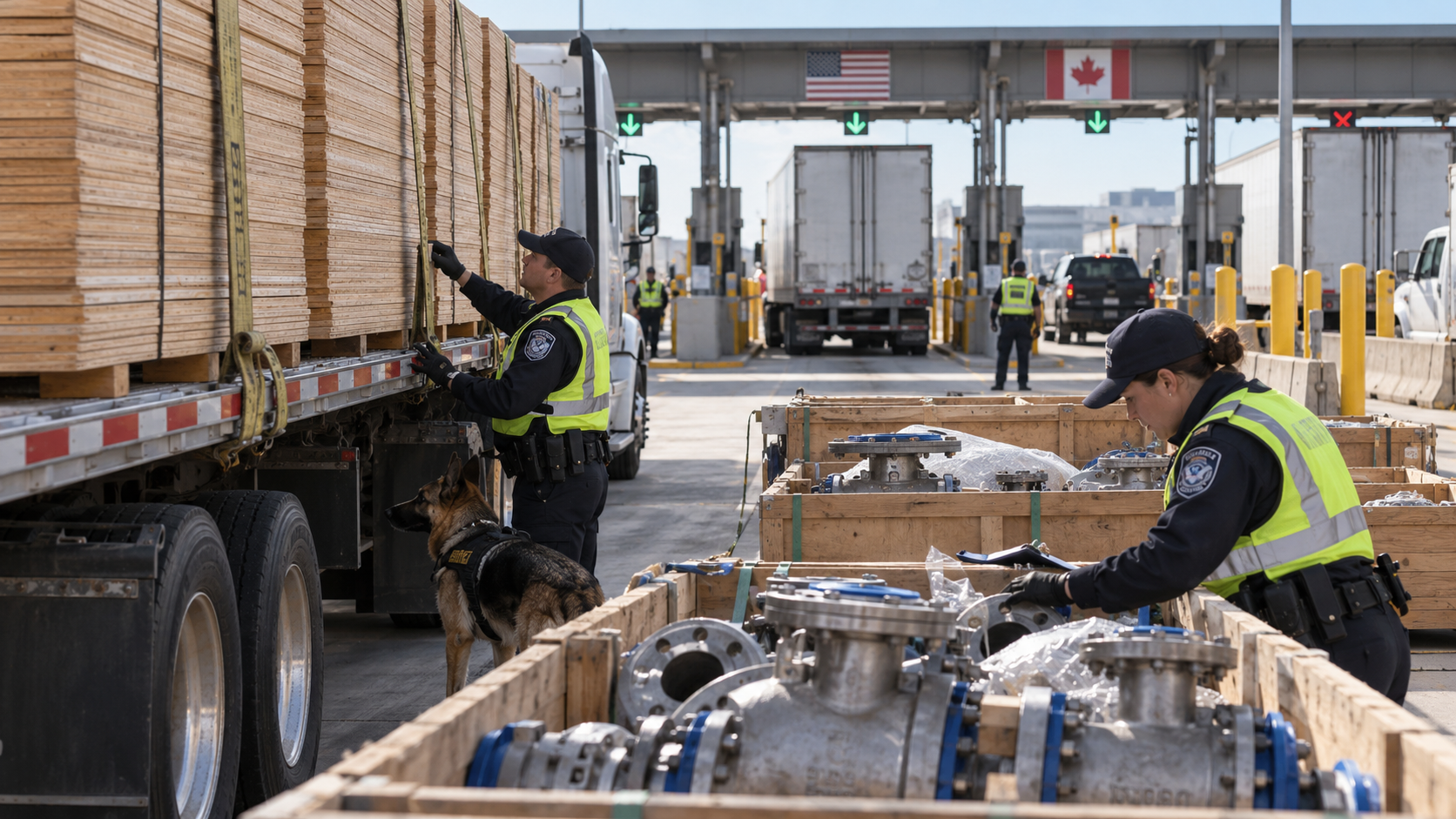
The new order removes "certain products such as plywood sheets, some paper products, certain machinery and refrigeration equipment, and certain packing crates and boxes." It replaces them with "certain valves, carpets, waste products, and others." The changes take effect at 12:01 a.m. Eastern on Oct. 30. The Section 338 duties apply on top of tariffs imposed under Section 232.
An annex to the proclamation removes the 50% duty from 22 product lines, according to a summary of the annex. Among the additions are vinyl flooring and window air conditioners.
Reshuffle or retreat
The White House language describes a substitution: products are removed and others are added "replacing" them. Without trade values for each list, it is not possible to say whether the amount of Canadian trade covered went up, down or stayed roughly the same.
The removals fall on goods that matter to building and packaging supply chains in the U.S., including plywood and paper. That suggests the change could ease costs for some U.S. buyers. The additions spread the duties across other products, which suggests the administration is managing the scope of the tariffs rather than winding them down.
Asked about trade talks on Friday, Trump said his administration was "very close" to a deal with Mexico, then added: "The same thing with Canada. Canada's working very hard to make a deal with us. And I hate to say this, but we have all the cards." No terms have been announced.
The legal backdrop
The authority itself is being tested. Gellert Global Group, a U.S. food importer, has sued the administration over its tariffs, challenging the use of Section 338. A ruling against the government could affect the entire set of Canadian duties, not just the products on this week's list.
The Bank of Canada's view
The order takes effect two days after the Bank of Canada's Oct. 28 rate decision, which falls on the same day as the Federal Reserve's. Canadian retail sales rose 1.2% in August, with every subsector higher, and forecasters are divided between a rate increase and a hold, though markets now price about an 80% chance of a hike. A narrower tariff list would help exporters of the removed products at the margin, but the central bank will not see the effect before it decides.
What to watch
The Bank of Canada's decision and statement on Oct. 28, the effective date on Oct. 30, any announcement of a broader U.S.-Canada trade agreement, and the progress of the court challenge.