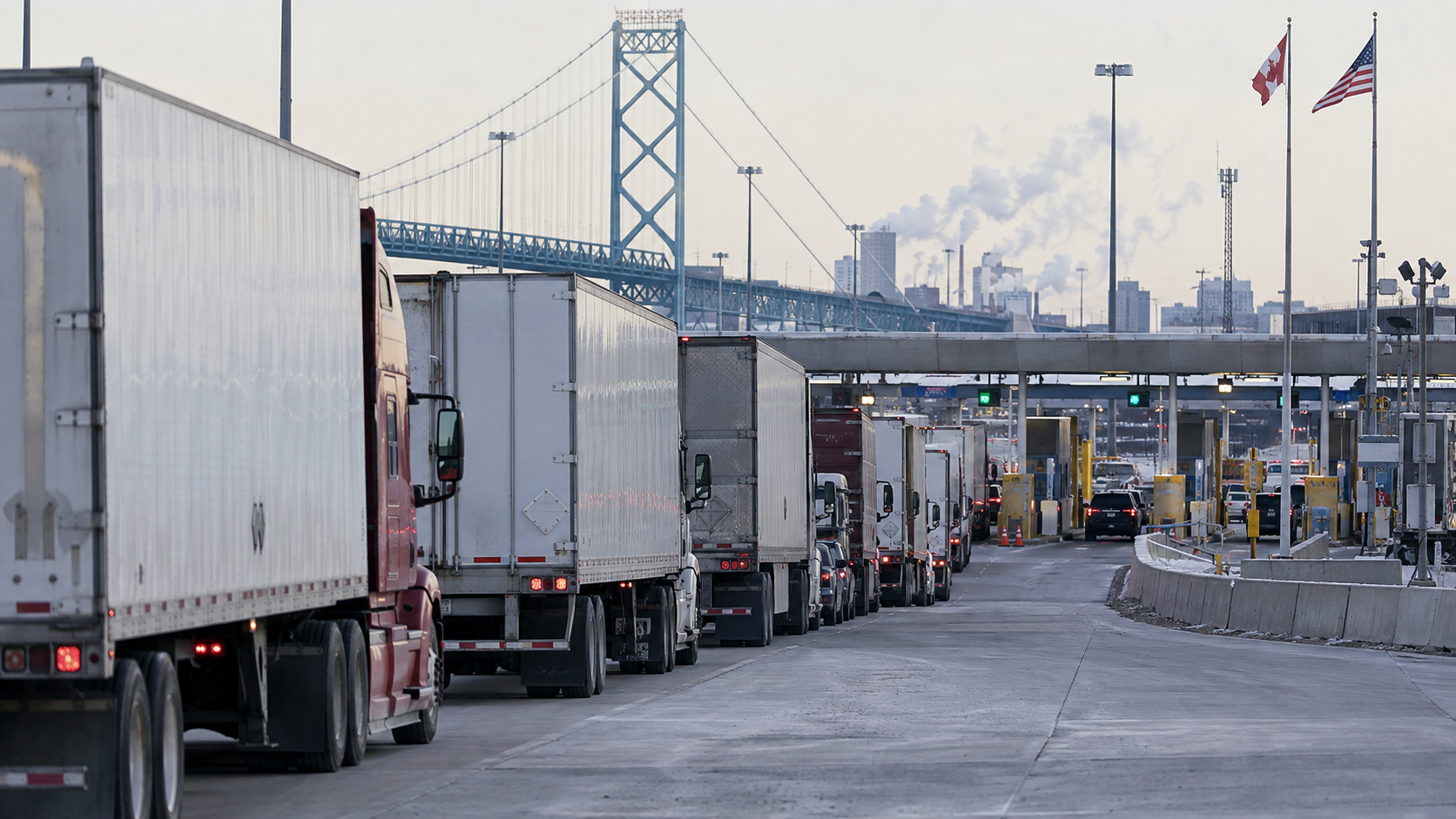
A retaliatory list of tariffs on U.S. products took effect this month, and the language from Canada's government has hardened to match it.
Canada's federal government has published a list of American products now subject to retaliatory tariffs, effective September 8. The move is the latest step in an escalating trade dispute between the two countries.
Prime Minister Mark Carney's office has described Canada as being commercially "at war" with the United States, language that reflects how far the dispute has moved from routine trade friction toward a sustained standoff.
Why the dispute has proven hard to close
Tariff disputes between major trading partners typically move toward resolution once the economic cost becomes clear to both sides, through some combination of negotiation, carve-outs and phased rollbacks. The persistence of this one, now well into its second round of retaliatory measures, suggests neither government currently sees enough political benefit in a near-term deal to offset the cost of appearing to back down.
What it means for companies exposed to both markets
Businesses with cross-border supply chains now face a second consecutive period of tariff-driven cost uncertainty, on top of whatever pricing and sourcing adjustments they made during the dispute's earlier phase. Firms in sectors named on Canada's retaliation list face the most direct exposure, while companies further down affected supply chains may see costs passed through with a lag.
What to watch
Whether either government signals a path back to negotiation, or whether the United States responds with its own additional measures, will determine whether this remains a contained dispute or continues to widen.