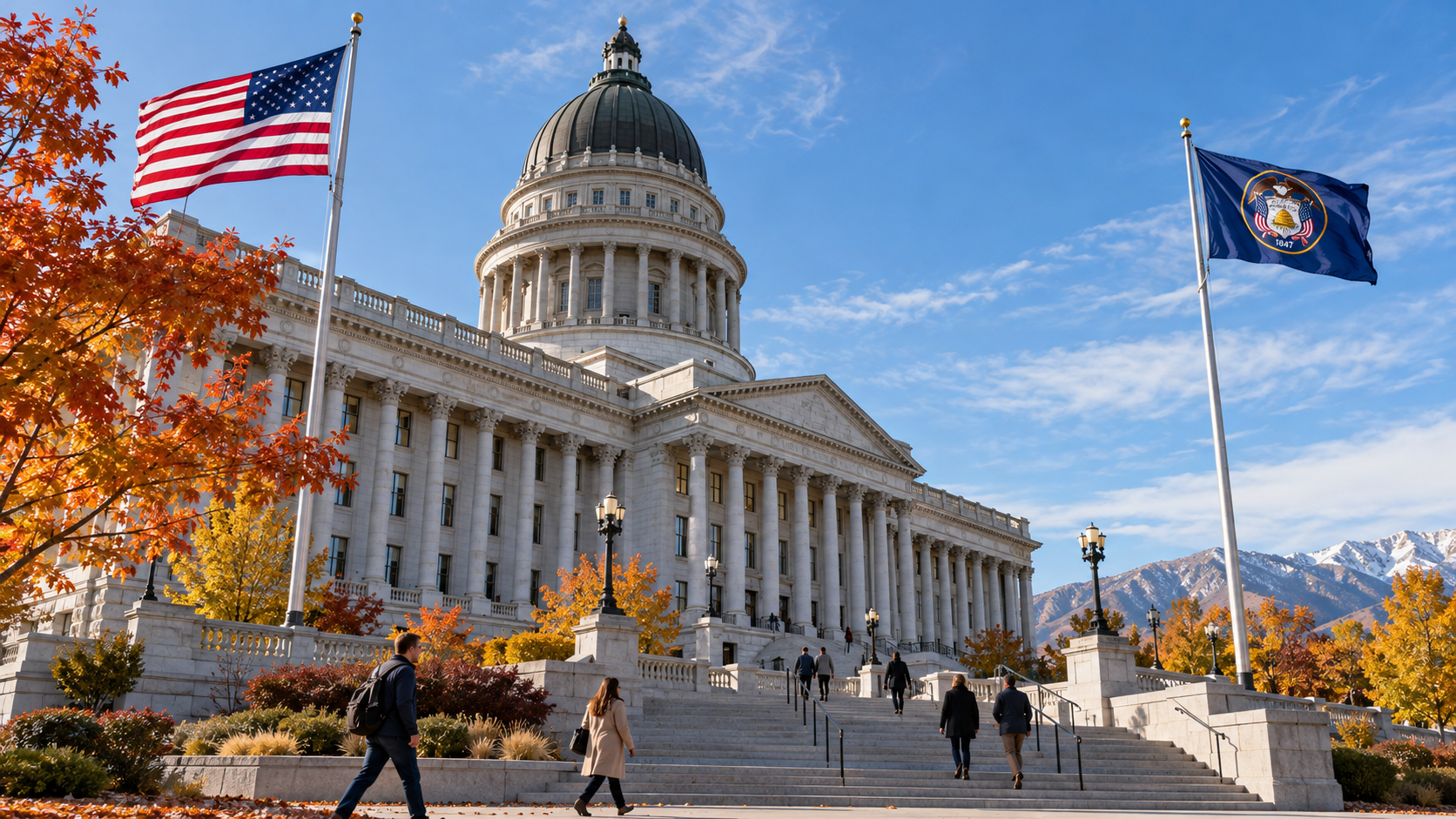
The state brought 14 counts, including 12 felony counts of online gambling promotion, against the prediction-market operator and co-founders Tarek Mansour and Luana Lopes Lara. Kalshi called it "crazy overreach." The CFTC argues federal law pre-empts state gambling rules.
The fight over who regulates prediction markets has moved from courtrooms where companies sue to one where executives can be charged.
Utah filed criminal charges on Wednesday against Kalshi and its co-founders, Chief Executive Tarek Mansour and Chief Operating Officer Luana Lopes Lara, accusing the company of illegally promoting gambling in the state. The 14 counts include one second-degree felony count of a pattern of unlawful activity, 12 third-degree felony counts of online gambling promotion and one misdemeanor count of gambling promotion.
The charges are based on 12 sports wagers placed by an undercover state investigator, through an account opened on Sept. 13. No one has been convicted.
Kalshi called the charges a "crazy overreach" and said "Utah is clearly playing politics."
Eight days of escalation
The criminal case caps a rapid sequence. On Oct. 20, Utah's attorney general sued KalshiEX and related entities, along with Susquehanna entities, in civil court. The state's complaint alleges Kalshi made between $30.6 million and $61.2 million from Utah accounts. On Oct. 26, the United States and the Commodity Futures Trading Commission sued Utah and its attorney general, Derek Brown, in federal court, seeking to block the state's enforcement.
The federal government's position is that event contracts are federally regulated swaps and that federal law overrides state gambling statutes. Utah's position has some support in court so far: a federal judge granted it summary judgment in August, and the Tenth Circuit denied an injunction pending appeal on Sept. 8.
Not only Kalshi
Pressure on the industry is coming from other states too. Polymarket agreed in a court-approved stipulation with Michigan regulators to stop offering new sports contracts in the state and to close open positions there by Nov. 25.
Why investors outside the industry should care
Prediction markets have become a meaningful business for listed brokers. Robinhood's event-contract revenue exceeded its crypto revenue in the third quarter, and Coinbase and crypto wallets are building similar products. A state that can bring criminal charges against operators and their executives raises the stakes for any company offering sports contracts to customers there.
Escalation or posture?
The escalation view: criminal charges against named founders are a step beyond civil suits, Utah has court rulings on its side so far, and other states could follow the same path.
The posture view: the charges come days before the midterms, as Kalshi argues, the federal government has taken Kalshi's side in court, and the pre-emption question is likely to be settled on appeal rather than in a state criminal case.
What to watch
The first court date in the criminal case, any ruling in the federal suit against Utah, whether Kalshi restricts access in the state, action by other states, and how Robinhood and Coinbase describe their event-contract exposure on upcoming calls.