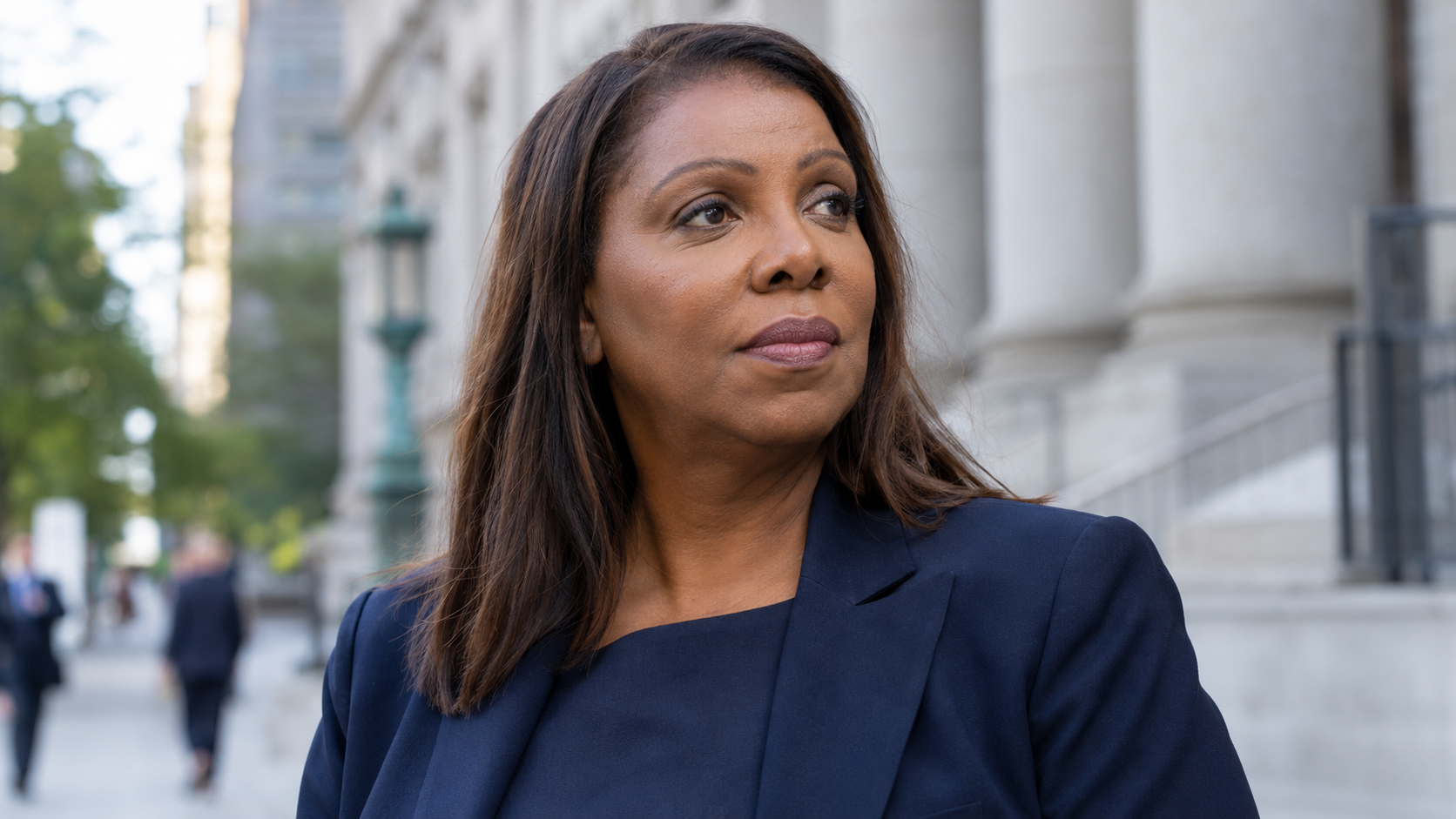
Attorney General Letitia James says Polymarket ran an illegal gambling operation under state law. She has now filed similar cases against Kalshi, Coinbase Financial Markets and Gemini Titan, as a federal regulator claims exclusive authority over the industry.
New York's attorney general has now sued four prediction-market operators since April. Polymarket is the latest.
Letitia James's office filed a petition on Thursday accusing Polymarket of running an illegal gambling operation in violation of state law. The case follows a similar one she brought against rival Kalshi nearly two months ago, and April petitions against Coinbase Financial Markets and Gemini Titan.
The list now includes the two platforms at the center of the industry's growth, Kalshi and Polymarket, along with the prediction-market units of two crypto exchanges.
At the heart of each case is a jurisdictional question. Prediction markets sell contracts tied to the results of games, votes and award shows like the Oscars. The federal position treats those contracts as derivatives under commodities oversight. States like New York treat them as bets under state gambling law. Under the Trump administration, the Commodity Futures Trading Commission says it alone has the power to oversee the industry, which pits the states directly against Washington.
The courts have not settled it, and the federal appeals courts have split. New Jersey asked the Supreme Court earlier this month to resolve the dispute, and the justices open their new term on .
The stakes have grown with the business. The platforms' popularity took off after they beat pollsters in calling the 2024 race for Donald Trump over Kamala Harris. A PitchBook report this week put Kalshi's base-case value at $30.4 billion, with its most optimistic scenario assuming the company could survive an adverse Supreme Court ruling by shifting to state licensing.
New York's cases point to how hard that shift could be. A state that has sued four operators since April may be a reluctant partner in any licensing arrangement.
The next step belongs to the Supreme Court. A decision to hear New Jersey's petition would put the jurisdictional question on a path to a single national answer. A decision not to hear it would leave the split among appeals courts in place, and leave operators facing state-by-state litigation like New York's.