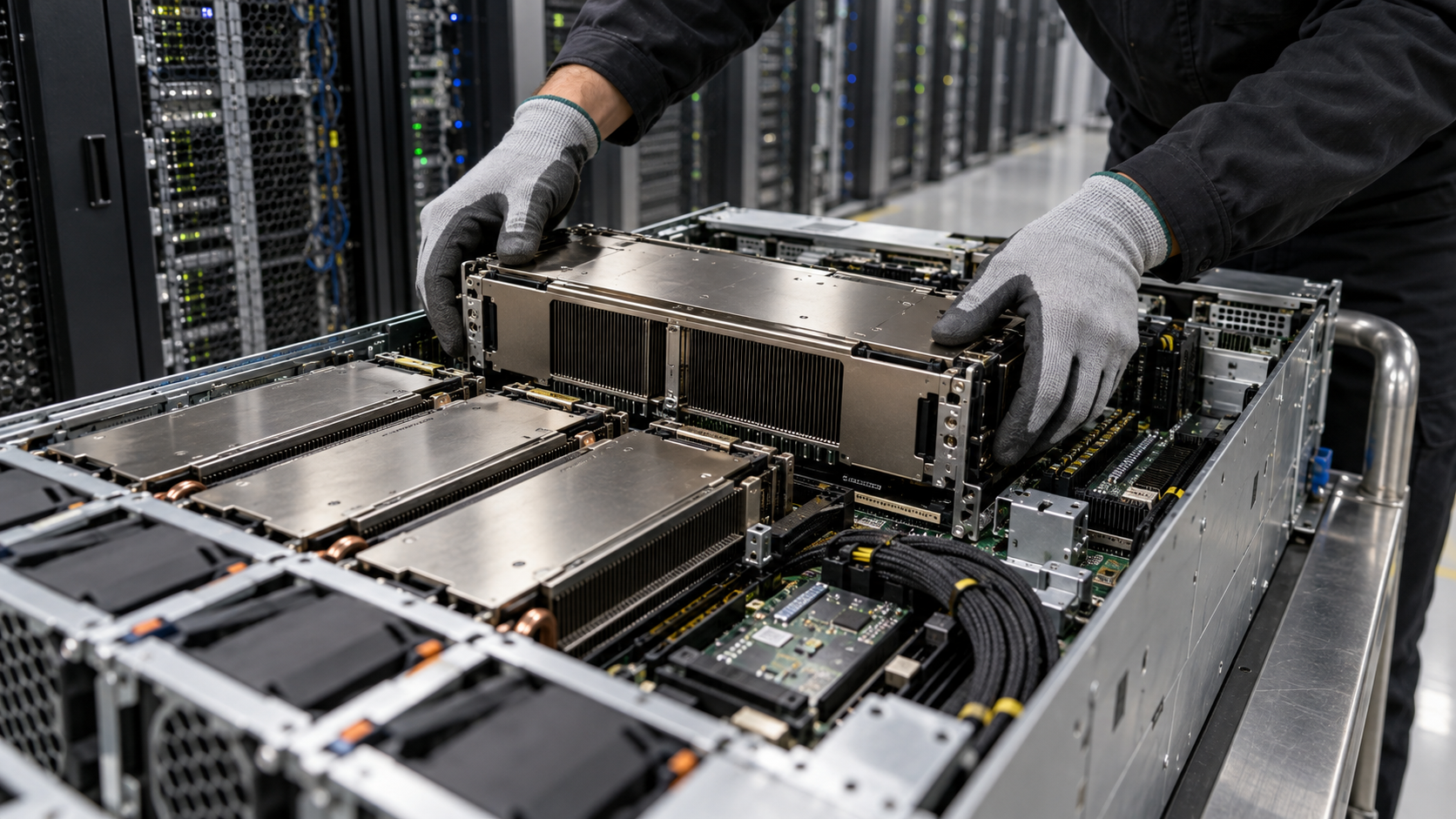
A regulatory filing describes a binding commitment to enter a master finance lease of about $40 billion with a lessor managed by Apollo, subject to closing conditions. Elon Musk had called it "closed" and "callable debt."
Over the weekend, Elon Musk told investors that SpaceX had closed $40 billion of debt to buy AI chips. On Monday, the company's own filing described something more specific, and not yet finished.
In a Form 8-K, SpaceX said it has entered into a binding commitment letter to enter into a master finance lease of about $40 billion with a lessor managed by Apollo. The arrangement is subject to closing conditions, and the interest rate will be set at pricing.
Under the described terms, each lease schedule would run about five to five and a quarter years, with SpaceX paying down one-twentieth of the cost each quarter. Payments would begin in the first half of 2027.
What the filing changes
Musk had written on X that the financing was "primarily callable debt for GPU purchases" and that it had closed. The filing differs on both points.
First, it is a commitment to enter a lease, not a completed borrowing, and closing conditions still have to be met. Second, the structure is a finance lease from an Apollo-managed lessor, not a bond or loan. Paying off one-twentieth of the cost each quarter retires the full amount in 20 quarters, so economically the arrangement looks much like an amortizing loan repaid in equal installments over five years.
The rate, the most important economic term, has not been fixed.
Why it matters beyond SpaceX
The scale is large in absolute terms but small relative to SpaceX. At Friday's close, the company's market value was about $2.04 trillion, and $40 billion is about 2% of that. Musk said the financing would not be a major factor this quarter.
The structure matters more for the wider market. Lease financing from a large private credit manager is one of the ways the AI build-out is being paid for off the traditional bond and equity markets. The same morning, Meta launched about $35 billion of equity offerings and outlined plans for $60 billion more.
It also arrives as smaller AI cloud providers face pressure. Musk said over the weekend that many of them face "guppy-level death and consolidation." Shares of CoreWeave, Nebius and IREN have each fallen at least 30% this month.
Two readings
One reading is that this is a well-structured way to fund hardware. A lease amortized over five years spreads the cost of the hardware over time, keeps SpaceX's options open, and draws on a lender with deep capital.
The other is that the gap between the weekend description and the filing is the story. "Closed" was a commitment with conditions, "callable debt" is a finance lease, and the cost of the money is not yet known. Investors evaluating AI spending plans are learning to read the filing rather than the post.
What to watch
The pricing and closing of the lease, any further SpaceX disclosure of its GPU deliveries in the first half of 2027, Apollo's third-quarter results on Nov. 3 for commentary on the deal, and capital-spending plans from Microsoft, Alphabet and Amazon this week.