An Ohio-led coalition of states plus the District of Columbia filed in support of New Jersey's petition, joining a California tribe and gaming regulators. Michigan's settlement with Coinbase takes effect Saturday.
The fight over whether sports event contracts are financial swaps or bets has drawn most of the country's state governments to one side.
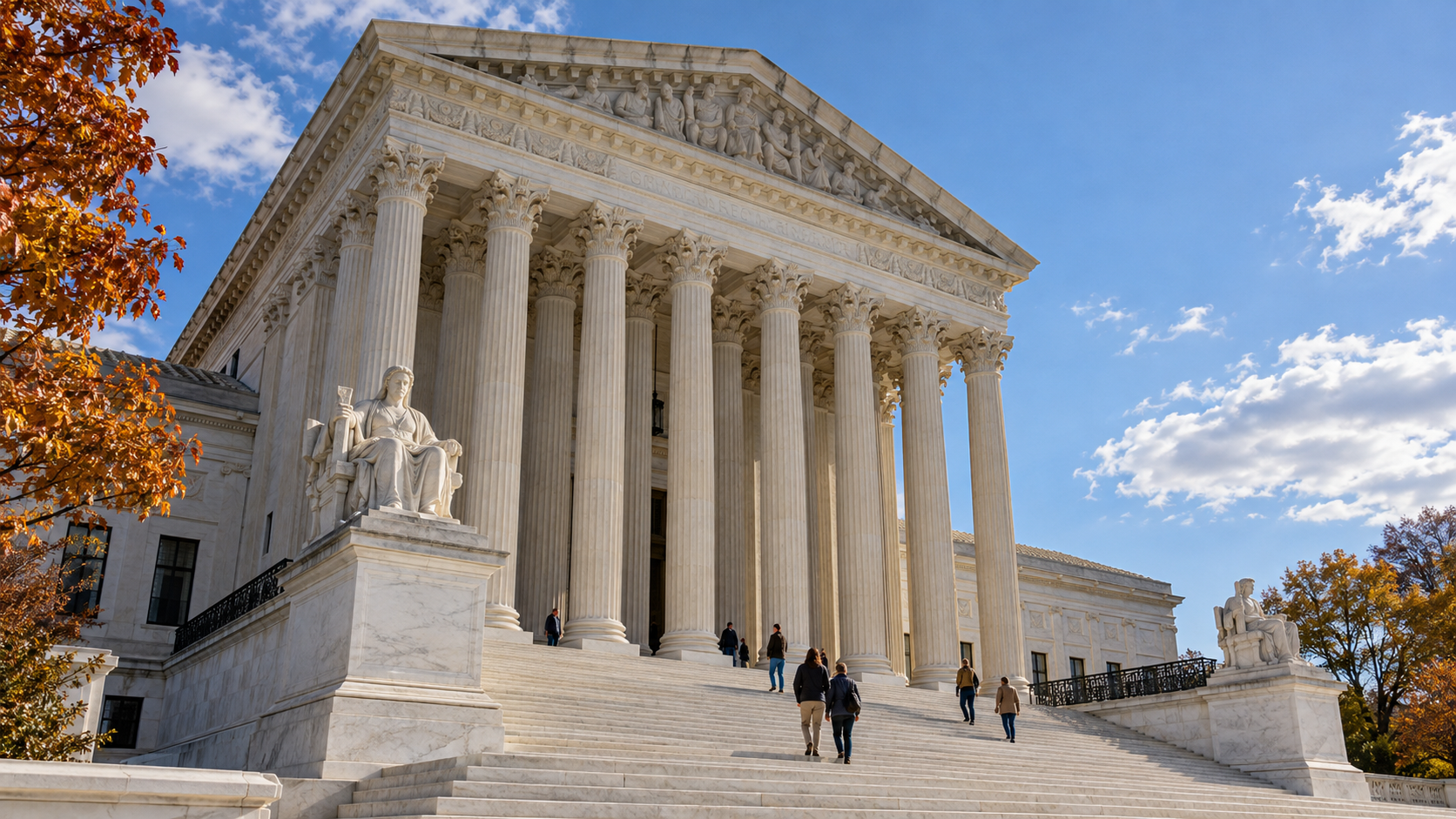
Thirty-nine states and the District of Columbia, in a coalition led by Ohio, filed a brief on Oct 7, 2026 urging the Supreme Court to hear New Jersey's case against Kalshi, Flaherty v. KalshiEX, No. 26-299. "The prediction markets are wrong," the states wrote. "They cannot strip the States of their core sovereign power through relabeling and window-dressing." The brief describes the lower courts as "hopelessly confused and divided."
New Jersey's petition was docketed Sep 8, 2026. Kalshi's response is due Nov 9, 2026, after the court granted it an extension.
Who else filed
The states' brief is one of several supporting New Jersey this month. The Cabazon Band of Cahuilla Indians, the California tribe whose 1987 Supreme Court case led to the federal law governing tribal gaming, filed this week, arguing that the Third Circuit's ruling could cause "devastating harm" to tribal economies. Gaming regulators' associations have also filed.
The National Football League filed its own brief, arguing that sports prediction contracts are effectively gambling and should be regulated by the states. The league said football accounted for $1.8 billion of prediction-market trading on the first Sunday of the season, more than half of the total, and that it is not opposed to prediction markets.
The split
The Third Circuit ruled in April that federal commodities law preempts New Jersey's sports-wagering rules as applied to Kalshi. The Ninth Circuit ruled the other way in Nevada's case on Aug 28, 2026, and the Sixth Circuit held on Sep 25, 2026 that Ohio and Tennessee may apply their gambling laws to the contracts. Disagreements of that kind among federal appeals courts are a common reason the Supreme Court agrees to hear a case.
Michigan
States are not waiting for the justices. Under an agreement with Michigan's gaming regulator, Coinbase Financial Markets will stop offering new sports-related event contracts to Michigan customers and close open positions by 12 a.m. Eastern on Saturday, Oct 10, 2026, including contracts traded on Kalshi's exchange. The agreement follows a similar one with Robinhood and preserves the companies' rights pending appeals.
Opposing readings
One reading is that a coalition this large, joined by a major sports league and tribal and regulatory groups, raises the chance the court takes the case and frames it as a question of state sovereignty over gambling.
Another reading is that amicus support does not decide whether the justices grant review, and that the Commodity Futures Trading Commission's position that it holds exclusive jurisdiction over event contracts gives Kalshi a federal ally the states' brief does not answer.
The calendar
Kalshi's Nov 9, 2026 response sets up a conference on whether to grant review. Michigan's Oct 10, 2026 deadline and pending cases in Ohio and Illinois will show how much of the sports-contract business keeps operating state by state while the court decides.