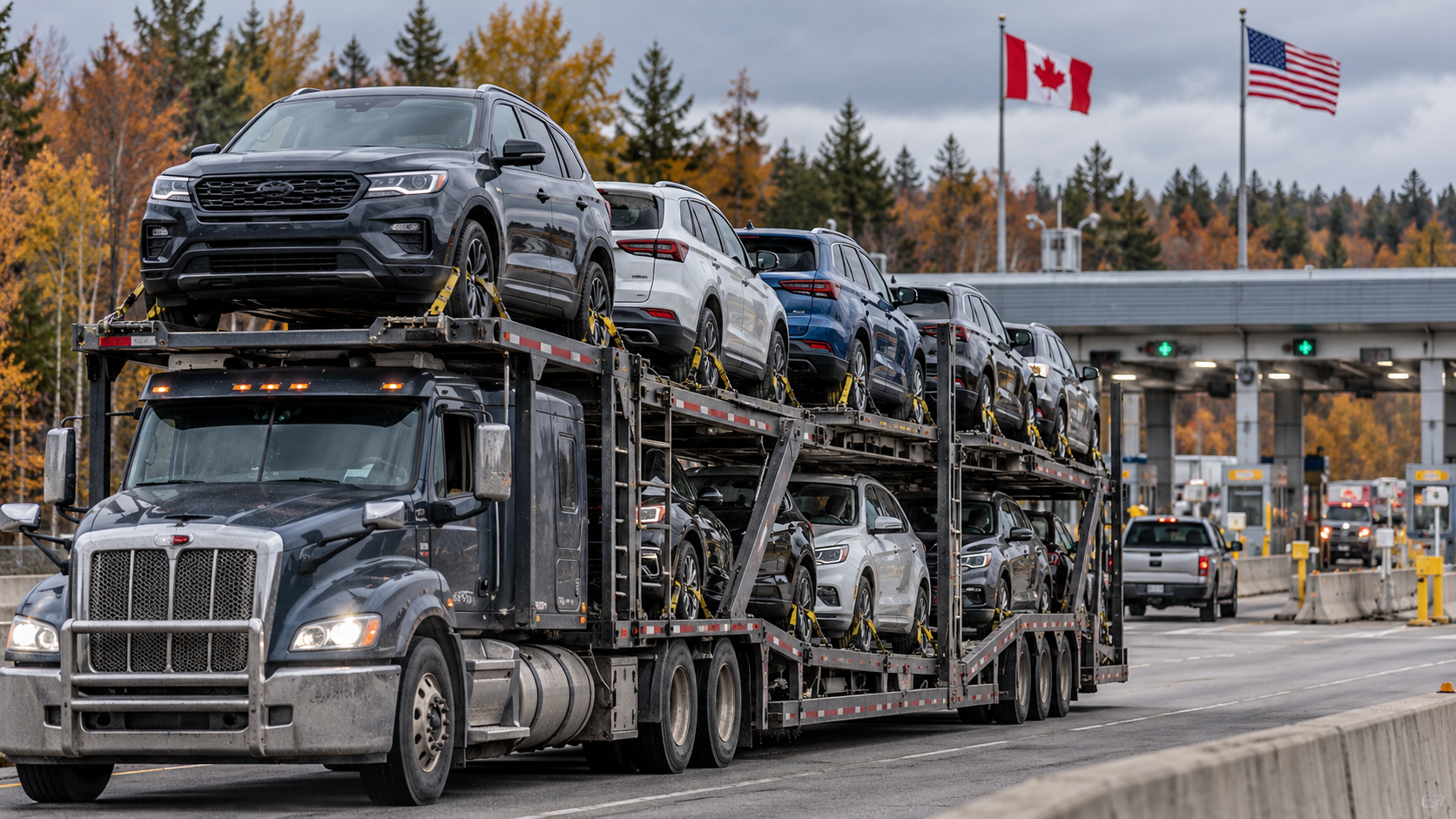
Two U.S. and four Canadian sources told Reuters the countries are working on easing Section 232 duties on steel and autos, possibly before the Nov. 3 midterms. President Trump has said those tariffs will rise to 50% on Jan. 1, 2027.
The steel and auto talks between the United States and Canada are not only about cutting tariffs. They are also about whether a scheduled increase happens at all.
The two countries are working on a deal to ease U.S. tariffs on Canadian steel and autos, Reuters reported on Monday, citing two U.S. sources and four Canadian sources. The talks focus on duties imposed under Section 232 of U.S. trade law, including a tariff of up to 50% on Canadian steel and 25% on autos. One Canadian source briefed on the negotiations said a deal was possible before the Nov. 3 elections. U.S. sources said the administration wants Canada to make further concessions.
The deadline that matters most may be later. President Donald Trump has said he will raise the tariffs on steel and auto imports from Canada to 50% from Jan. 1, 2027. For autos, that would double the current rate.
Who is at the table
Because the Commerce Department administers Section 232 tariffs, Commerce Secretary Howard Lutnick, rather than the U.S. Trade Representative, is at the center of the talks, sources on both sides told Reuters. Lutnick and Dominic LeBlanc, the Canadian minister responsible for Canada-U.S. trade, have been in regular contact, one source said. A USTR official said the office has also been in contact with Canada in recent days about the overall architecture of any deal and other trade issues.
A spokesperson for LeBlanc said Canada "remains in constructive dialogue with our U.S. counterparts on a range of priorities." The White House and the Commerce Department did not immediately respond to requests for comment.
Two sides, two stories
The parties describe the talks differently. Canadian Prime Minister Mark Carney said there had been "a slight intensification" in the talks and that Ottawa had not changed its stance. "To the extent any progress has been made, it's because the US is coming closer to our position," he told reporters. U.S. sources, by contrast, say Washington still wants more from Canada.
Even a deal may be limited. "If it happens, it'll happen fast. But my sense is it'll be a narrowed deal, if it even happens," a Canadian industry source said.
Trump told a rally on Sunday that the dispute would be resolved "soon," without giving specifics.
Why it matters
The steel and auto tariffs bear on two of the most integrated supply chains in North America. Vehicles and parts cross the border several times during production, and steel is a major input for automakers on both sides.
The previous round of talks collapsed in August, partly over whether to cut duties on medium- and heavy-duty vehicles that are important to Canadian factories. U.S. automakers had hoped those talks would bring relief from the original 25% tariffs, which have raised the cost of shipping vehicles and parts across the border. A scheduled rise to 50% would add to that cost. A deal could head it off.
The politics point toward a deal. Tariffs on Canadian imports have become a political liability for Trump, and Republican candidates in border states have called for an end to the trade war, Reuters reported.
What is already moving
On Friday, Trump signed an order removing 50% tariffs on some Canadian agricultural and forestry products. Changes to the list of Canadian goods subject to those tariffs take effect on Oct. 30, removing some goods and adding others. The Bank of Canada announces its rate decision on Wednesday, the same day as the Federal Reserve, and any progress on trade bears directly on the outlook for Canadian growth.
Two readings
One reading is that relief is close. Six sources in the two countries describe active talks, one sees a deal before the election, the president says resolution will come soon, he has already lifted some tariffs, and the midterm politics favor a settlement.
The other is that the gap is still open. U.S. officials want more from Canada, Carney says Ottawa has not moved, no official has confirmed the reported terms, and even a Canadian industry source expects a narrow deal if any. Without one, the auto tariff is set to double on Jan. 1, as Trump has announced.
What to watch
Any announcement from Lutnick, LeBlanc or the two leaders before Nov. 3, whether the Jan. 1 increase is suspended or confirmed, Friday's tariff-list changes, the Bank of Canada's statement on Wednesday and the Canadian dollar's reaction to any announcement.