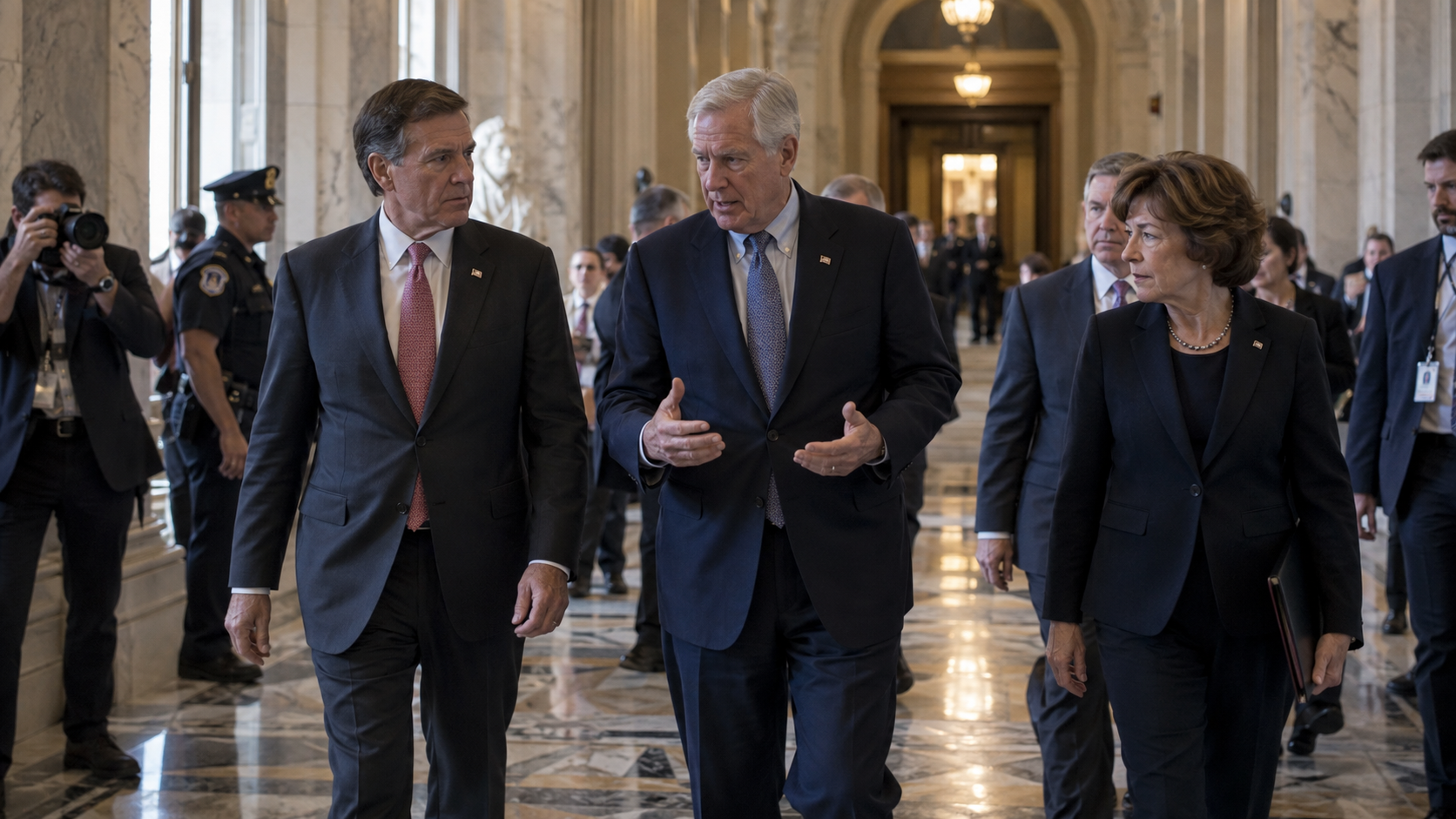
A pivotal procedural vote on the Digital Asset Market Clarity Act was set for Tuesday afternoon, with Republicans needing to find at least seven Democratic votes to move the bill forward.
The Senate was set to hold a procedural cloture vote Tuesday afternoon on the Digital Asset Market Clarity Act, the comprehensive crypto market structure legislation that has been working its way through Congress for months. Advancing past cloture requires 60 votes, and with Republicans holding 53 seats in the chamber, the bill's supporters need at least seven Democratic or independent votes to move forward.
The vote's outcome was genuinely uncertain heading into the afternoon. Texas Senator John Cornyn was reported as still undecided, while Maine Senator Susan Collins was among the Republicans who have raised concerns related to the bill's treatment of community banks, concerns that could complicate the calculus on the Republican side of the aisle as well. Democratic senators submitted a counterproposal Monday night, adding a fresh variable into negotiations just ahead of the vote.
The bill has become the primary legislative vehicle for establishing clear jurisdictional lines between the Securities and Exchange Commission and the Commodity Futures Trading Commission over digital assets, a division the industry has sought for years as a way to reduce the regulatory ambiguity that has shaped, and at times constrained, how crypto exchanges, token issuers, and other market participants operate in the United States. A successful cloture vote would not itself enact the legislation, but it would represent a significant procedural milestone, clearing the way for a floor vote on the bill's substance.
A successful vote would set up further debate over amendments before a final floor vote, keeping the legislation's timeline uncertain even if this initial hurdle is cleared. A failed vote would not necessarily end the bill's prospects for the year, but it would send negotiators back to the table to find the votes still missing. For an industry that has spent years operating without a clear statutory framework, Tuesday's vote is less about resolving that uncertainty outright than about determining how much longer it persists.