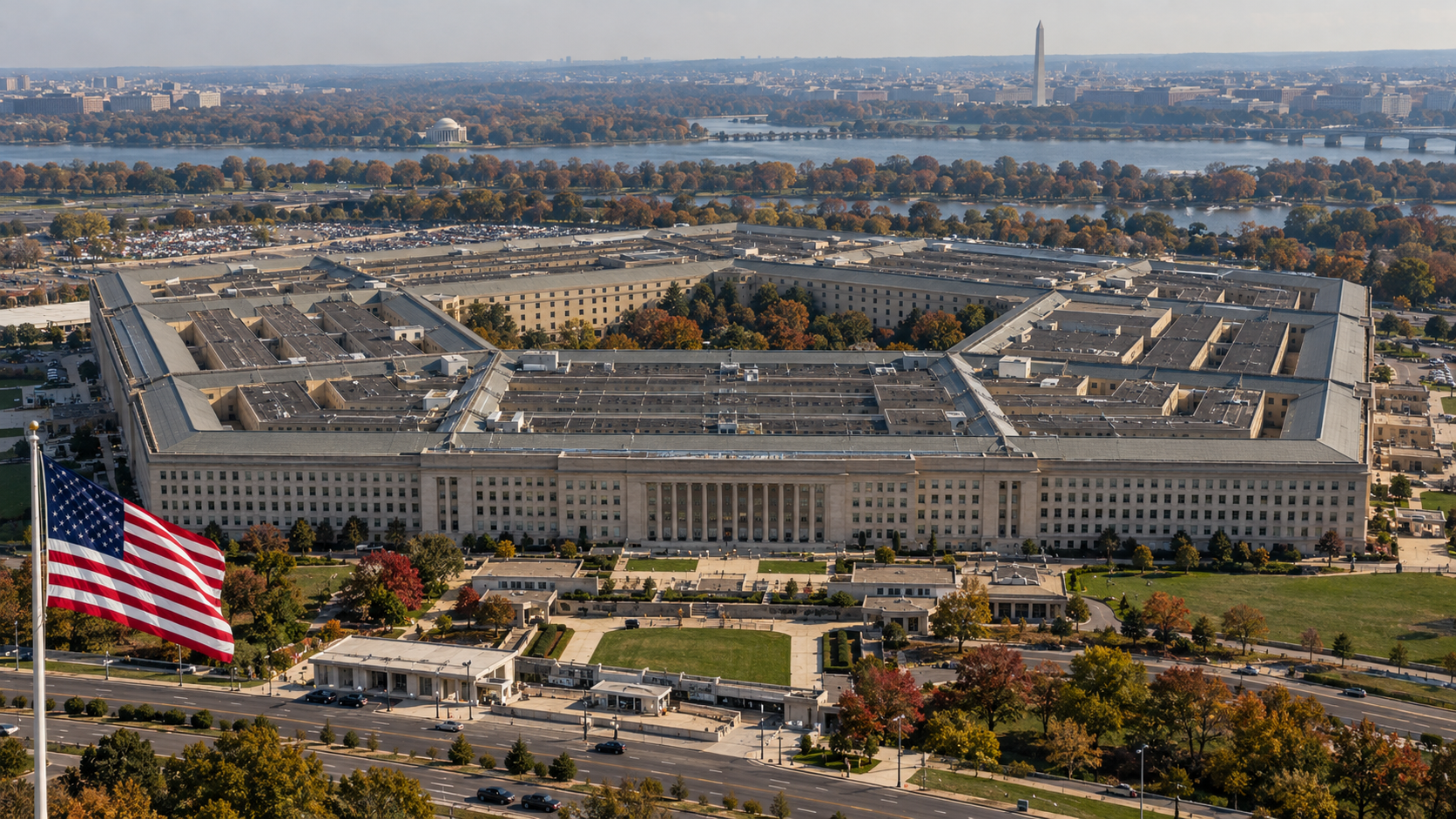
A memo from Pentagon chief Pete Hegseth names Polymarket and Kalshi and prohibits Defense Department personnel from using nonpublic information to trade on prediction markets. Polymarket's Iran ceasefire series, which settles on whether the U.S. strikes Iran, traded about $1.27 million over 24 hours.
Pentagon chief Pete Hegseth has barred Defense Department personnel from using nonpublic information to trade on prediction markets, according to a memo dated Oct. 20 that CBS News reported on Thursday. The memo names Polymarket and Kalshi.
The directive targets a specific risk: people with advance knowledge of military operations using that knowledge to bet on outcomes that depend on them.
Why it matters now
The concern is not hypothetical in market terms. Prediction markets list contracts whose outcomes depend directly on U.S. military decisions. Polymarket's series on whether the U.S.-Iran ceasefire holds, which resolves on whether the U.S. carries out a qualifying strike on Iranian territory by a given date, traded about $1.27 million over the 24 hours to early Friday across its expiries.
A contract that settles on a strike decision is the clearest case where inside information would be valuable. Someone who knew an operation was planned, or had been called off, could profit from that knowledge before it became public. The memo draws a line around that conduct for the department's own people.
What it changes, and what it does not
The memo governs the conduct of Defense Department personnel. It does not regulate the platforms or restrict what contracts they can list. Polymarket and Kalshi operate under different regimes, and the memo does not change either one's rules.
Its significance for the industry is that it is a federal agency treating prediction-market trading as an information-security issue, alongside the more familiar debates about gambling law and state licensing. That framing could spread to other agencies whose decisions drive listed contracts, from economic data to regulatory actions.
The wider scrutiny
The memo arrives as prediction markets face legal challenges on several fronts, including state efforts to tax and license event contracts and pending litigation over whether federal or state law governs them. Kalshi is due to respond to a petition at the U.S. Supreme Court by Nov. 9.
What to watch
Whether the platforms respond with changes to how they handle military-related contracts, whether other agencies adopt similar rules, and how the department plans to enforce the ban.