

Builders authorised homes at a 1.44 million annual pace and broke ground at 1.24 million. Total starts fell 12.4%.
The long end backed off its high, and the tape sold anyway.
Stocks fell broadly, with the Nasdaq furthest down.
The thirty-year par yield closed at 5.28%. That is three basis points below Monday's close. The twenty-year came down with it. The two-year did not move at all.
A barrel of WTI held above $84. Volatility rose for a second session.
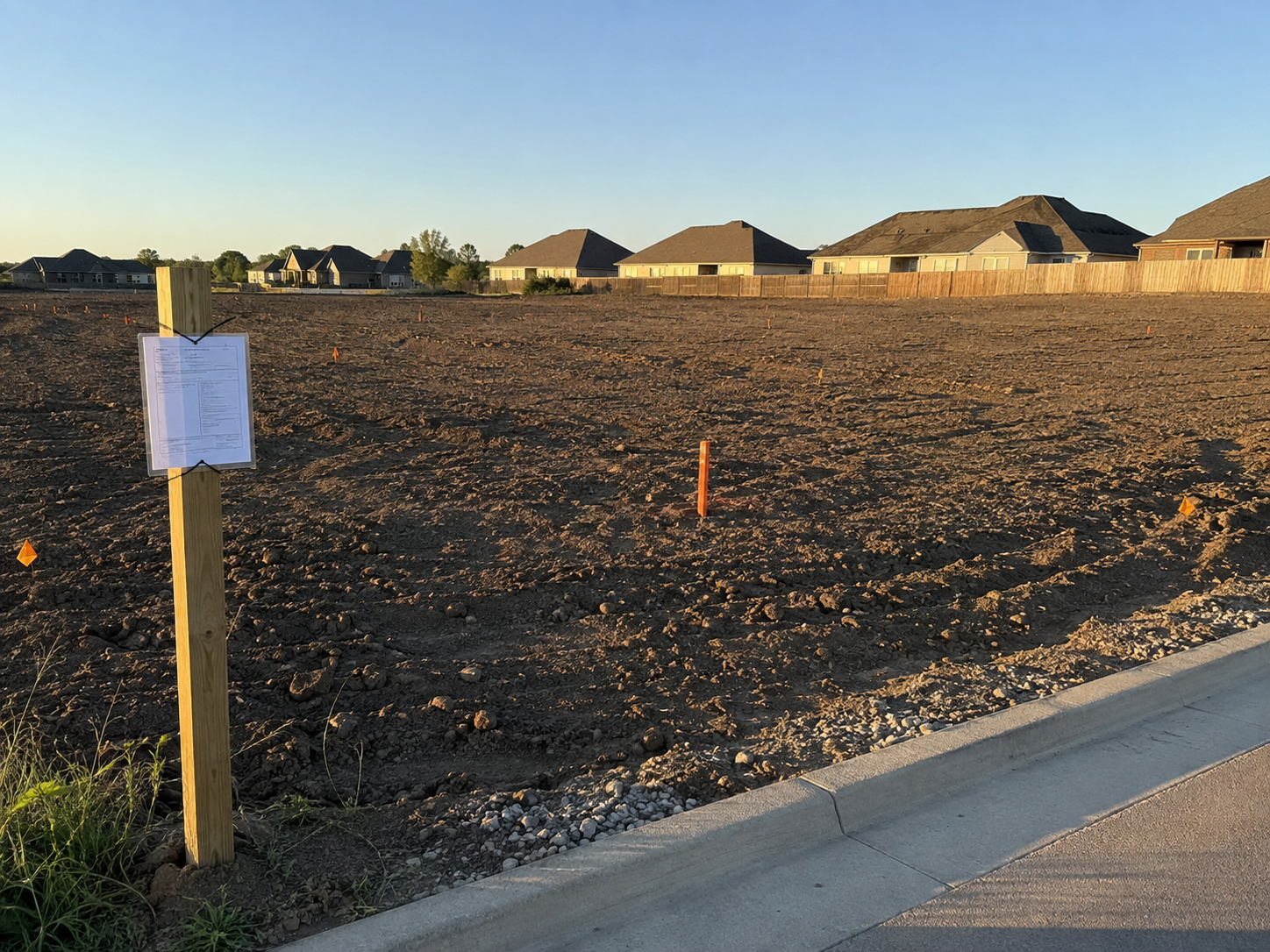
Then July's housing data landed. Permits are paper. Starts are ground. July filed more of the first and less of the second.
Markets Don't Reprice When a Mine Pours Its First Gold. They Reprice the Day Uncertainty Dies.
On May 21, 2026, a federal bank voted unanimously to lend nearly $3 billion to build a gold mine on American soil.
Congress got 25 days notice. Nobody objected.
Final papers expected before year's end. The day that ink dries, three things happen at once:
- Funding risk goes to zero
- The U.S. government becomes financially fused to the project
- Wall Street re-rates the stock from speculative developer to federally backed strategic asset
One more detail. This company's filings carry a phrase I've never seen on a gold project: substantial support and partnership from the Department of War.
Why? The deposit carries a second metal alongside its gold — one China formally banned from export to the United States. The only domestic reserve of it in the country.
Gold for the dollar war. The banned metal for the shooting war. Both from the same pit.
The company is about one fiftieth the size of Newmont.
Permits beat their forecast. Starts missed theirs by 111,000 homes.
Building permits ran at 1,443,000 a year, up 5.0% from June. Housing starts ran at 1,239,000, down 12.4%.
Forecasters had looked for 1,370,000 and 1,350,000. Permits came in higher. Starts came in far lower.
Single-family starts fell to 808,000. That is the lowest since November 2022.
The same split runs through single-family on its own. Permits there rose. Starts there fell almost ten percent. So the permit gain is not an apartment story.
The two lines record two different decisions. A permit secures capacity for next year. A start commits capital this month. Builders made the cheap decision freely and the expensive one sparingly.
Ben Ayers at Nationwide named the mechanism. Builders stay hesitant until rates help them sell the homes already finished.
The Option Builders Bought
A permit is an option. A start is a commitment. The option costs a fee and expires slowly. The commitment costs capital at a long rate above five percent. Builders bought the option in size. That keeps next year open without funding it.
Mortgage rates track the long end, not the policy rate. The long end eased on Tuesday.
The thirty-year Treasury closed at 5.28%, down from 5.31%. The twenty-year closed level with it. The two had separated by a basis point on Monday.
The ten-year eased a basis point too. That is the maturity a thirty-year mortgage actually follows.
The two-year held at 4.19%. From five years out, the decline grew with maturity. Two years to thirty narrowed to 109 basis points from 112.
None of that reaches a July decision. Those permits were filed weeks ago. The long end sat near its highs then.
Kalshi runs a book on the retail end of the chain. It asks whether any 2026 Freddie Mac survey shows a mortgage below 5.75%. The answer trades near 10%.
The Relief That Arrived Late
Three basis points barely moves a monthly payment. It changes what the next month looks like. July's decisions were made with the long end at its highs. The move is real and it is late. Late relief buys the next cohort, not this one.
Hidden in Tesla's Filing: A $12 Billion "Super Startup"
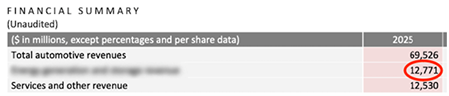
Pull up Tesla's most recent SEC filing. Page 5.
And you'll see a single line showing $12 billion in revenue from a brand-new "super startup" Elon Musk has been quietly incubating inside Tesla.
This new "super startup" has nothing to do with cars or robots or space or AI…
But it sits at the center of what Blackstone calls "a $23 trillion investment opportunity."
And on Oct 21st, Elon is expected to pull back the curtain and reveal exactly what he's building.
But Adam O'Dell already knows… and he reveals it all in this urgent video.
Tuesday's other readings each came in narrower than their headlines.
Import prices fell four tenths in July. Strip fuel out and they rose four tenths. Ex-fuel import prices are up 4.5% over the year. That is the fastest in four years.
Factory output added 0.2%. June was revised up to 0.3% from zero. Semiconductor output rose 2.4% and led the gain.
Polymarket puts an Anthropic listing by year-end near 85%. A second book puts an OpenAI Astra release by September near 70%. The odds there have slipped over two days. Both are buyers behind that capacity. Both are priced on dates rather than earnings.
Home Depot (HD) beat on sales and comparable sales. Transactions fell 1.0%. Average ticket rose 2.8%. Fewer visits, larger baskets.
Its finance chief called the housing market frozen. He said customers hesitate as projects get bigger.
The Half That Isn't Fuel
A falling import index reads as relief. Fuel supplied all of that decline and more. Most of what a builder buys is not fuel, and it rose. A cheaper barrel does not buy lumber. Cost moved out of the pump and into the invoice.
Census flags the changes it cannot tell apart from zero.
Most of Tuesday's sampled moves carried the flag.
Total starts fell 12.4%, against a margin of 9.5 points. The decline is bigger than the doubt around it.
Single-family starts fell 9.9%, against a margin of 10.4 points. That one is not. Both completions series carry the same flag.
Permits carry no margin at all. Census does not compute one for them. One sampled monthly move clears its margin. It is the fall in total starts.
Builders hold options when the price of committing is unsettled. In July three officials dissented, all of them for a rate increase. Kalshi prices exactly two dissents in September at about one in six. Either count leaves the committee divided.
The Change That Survives Its Margin
Most of the sampled moves cannot be told apart from zero. The one that can says builders slowed. The permit count is a plan. The start count is what got built. Plans are cheaper to file than to fund.
Landmark Executive Order 14241 Unleashes
TRUMP’S NEW DOLLAR
Republican or Democrat – whether you support or oppose Trump’s New Dollar – every American could soon be forced to use it

Discover three critical moves to help you prepare, before it’s too late
July filed its paper and withheld its ground.
Permits ran 204,000 units a year above starts. Both numbers reached the tape on Tuesday, 18 August. The long end gave back three basis points that same afternoon.
Today brings the July Fed minutes at two o'clock. More big-box retailers report after that. Those minutes describe a meeting held in July. The July data landed after it.
Capital moves early. Coverage catches up. The gap between the two is worth watching.