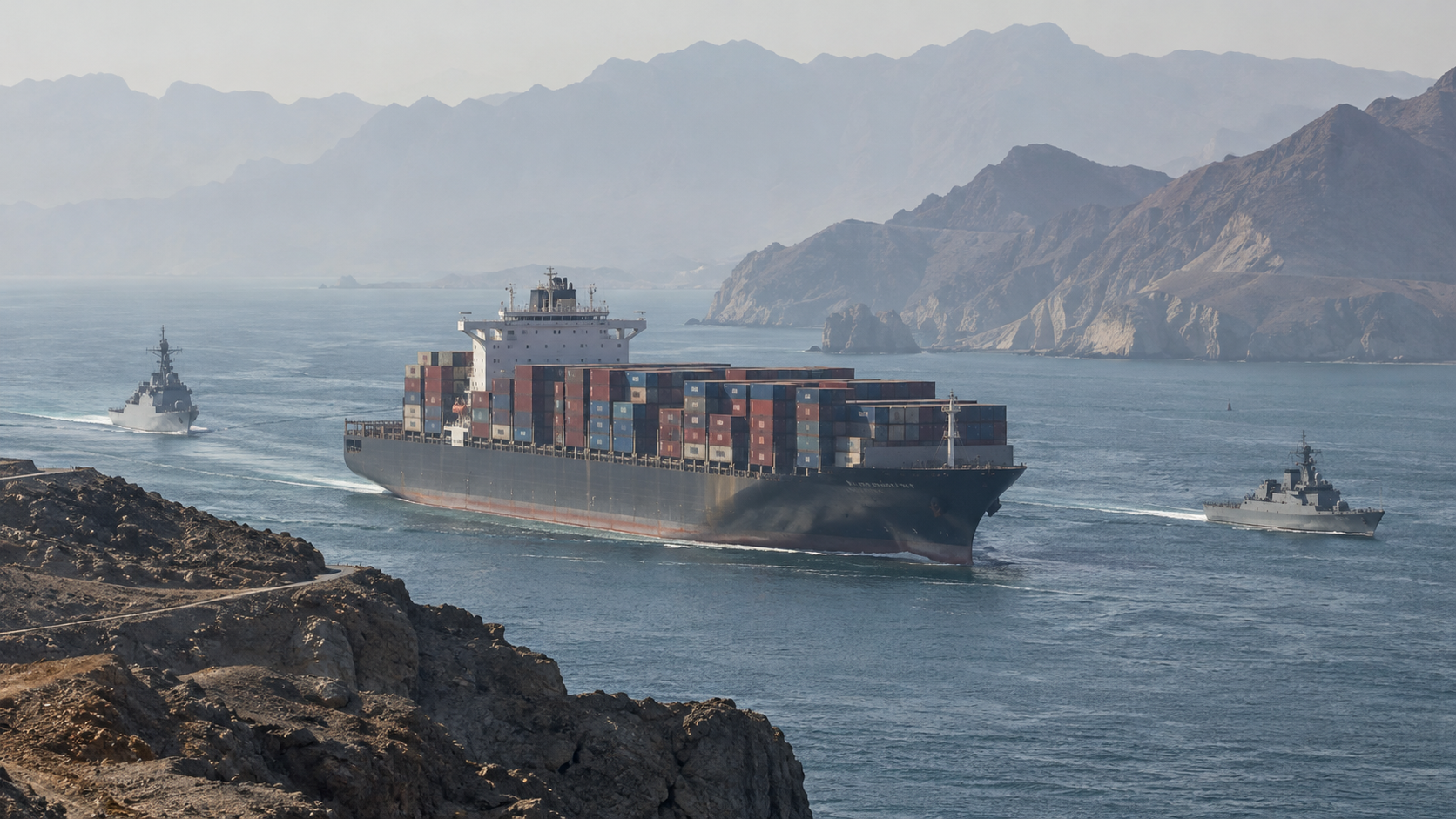
The market on whether Washington officially announces an end to its naval blockade of Iranian shipping by Oct. 31 held at 12.5 cents through Wednesday, then stepped down to 7.5 cents by early Thursday, hours after Singapore said a container ship had sunk following a projectile strike.
A contract with 16 days left to run does not usually lose 40% of its price in one night simply because the calendar moved.
The Polymarket contract resolves Yes if the U.S. government publicly and officially announces the end, lifting or suspension of its naval blockade on Iranian ships and the ships of Iran's customers by Oct. 31, regardless of whether the blockade actually ends in practice. It is a bet on a U.S. announcement, not on traffic through the Strait of Hormuz.
The price closed out Wednesday's U.S. trading day where it started, at 12.5 cents. Through the evening and overnight it fell in steps: 11.5 cents by 5 p.m. ET, 10.5 cents by 10 p.m., a brief bounce to 11.5 at midnight, 9.5 cents by 2 a.m., 8.5 cents from 4 a.m. and 7.5 cents by about 6 a.m. Thursday. The implied odds went from about one in eight to about one in 13.
Why the shape matters
If the decline were mostly the passage of time, the price would drift lower at a steady pace. Instead it sat flat through Wednesday and then fell in a cluster of hourly steps. That pattern points to traders acting on something other than the clock, though no single overnight event has been tied to the moves.
The steps came hours after news that was already public on Wednesday. Singapore's maritime authority, the flag state for the container ship GFS Pride, said the vessel "sustained damage and a fire on board, and has since sunk" after what it described as a projectile strike, and that all 21 crew were safe. Iran's Revolutionary Guards say the ship struck a mine. A sister ship, the GFS Giselle, was damaged in the hull but reached safe anchorage. International Maritime Organization data showed that the Cape Dao, a bulk carrier attacked in late September, had also gone down; the two are the second and third ships sunk since the war began on Feb. 28.
The Singapore authority called the attacks "unprovoked, unjustifiable, and a breach of international law." Britain's maritime trade agency logged four attacks on Oct. 13 and has issued 24 warnings this month.
The U.S. position
U.S. Central Command said commercial shipping continues under protection and that the blockade remains in full effect. Washington has not officially attributed the GFS Pride strike.
What the price now says
At 7.5 cents, the market treats a U.S. announcement ending the blockade this month as a long shot that has become longer. Brent crude also fell overnight, a move one market data provider attributed to profit-taking and a report that Washington is weighing easier sanctions on some shadow-fleet tankers. The two markets are pricing different questions, and their moves should not be read as confirming each other.
The case that the contract has room to fall further is that attacks are now sinking ships rather than damaging them, and neither side has signaled a pause. The case that it has overshot is that a lopsided price on a short-dated contract can jump on a single diplomatic headline, and a 5-cent move can reverse as quickly as it came.
What to watch
Any official U.S. attribution for the GFS Pride strike, any statement from Washington on the blockade's terms, new incidents in the strait, the reopening of Riyadh's main airport scheduled for 2100 GMT on Oct. 17, and the contract's Oct. 31 resolution.