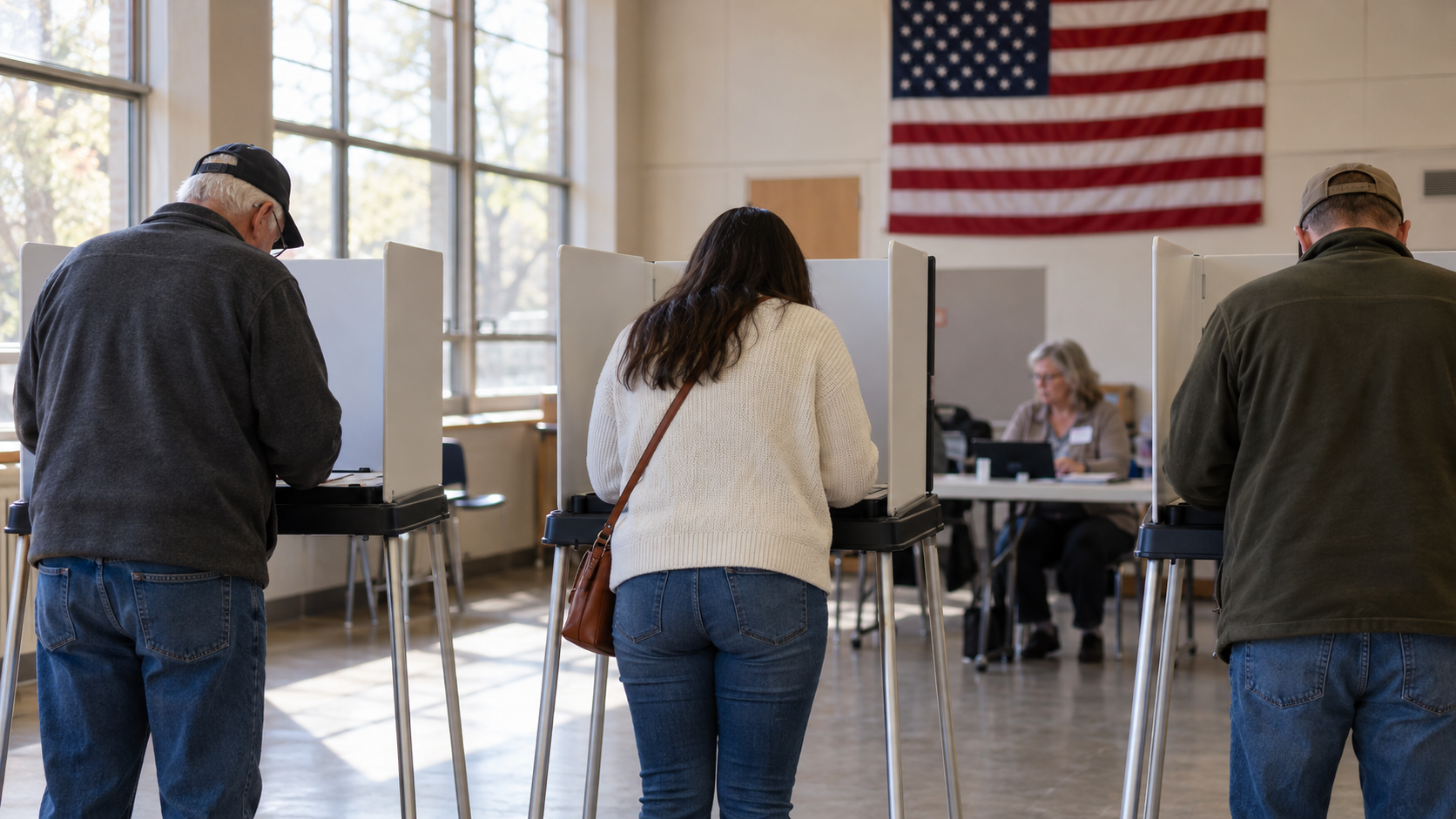
About six in 10 adults oppose prediction markets on election results, and larger shares object to betting on military action and policy decisions, an Ipsos poll finds. Three in four call it gambling, three weeks before the midterms.
Prediction markets are heading into the midterm elections offering contracts on who wins. Most Americans say they oppose them.
Opposition crossed party lines. Among Democrats, 69% said they were against using prediction markets to wager on who wins elections. Among Republicans the figure was 61%, and across all adults it was about 60%. The online Ipsos survey questioned 4,506 people from Sept. 30 to Oct. 5 and has a margin of error of roughly 2 points.
Other kinds of contracts fared worse. Wagers on U.S. military action drew 65% opposition and just 8% support. Bets on government policy announcements were opposed by 63% and backed by 9%. Asked whether trading on real-world events amounts to gambling, about three in four said yes, while 8% said no.
Congress And Sports
Respondents were close to unanimous about lawmakers. Members of Congress or their aides betting on political events was judged inappropriate by 93% of Democrats and 89% of Republicans. In April the Senate banned its own members and staff from using prediction markets.
Sports contracts, the platforms' other major line, split respondents more evenly, with 43% against and 29% in favor.
The Industry's Response
A Polymarket spokesperson said "more than 90% of visits to Polymarket are to view markets, not to trade." Sen. Jeff Merkley, an Oregon Democrat, responded: "Don't mistake seeing millions of dollars in advertisements as a sign of growing support."
Kalshi has said military operations are off-limits on its platform. Polymarket does list markets tied to military action, including contracts that pay out depending on whether the U.S. strikes Yemen.
Where The Fight Is
The poll lands in the middle of a legal battle over who regulates event contracts. States have challenged the Commodity Futures Trading Commission's authority over the markets, and the dispute is expected to reach the Supreme Court. Polling does not decide that question, but it shapes the political setting in which state officials and members of Congress act.
The timing matters. The Nov. 3 midterms are three weeks away, and election contracts are among the most visible products the platforms offer.
Market Implications
One reading is that the industry faces a legitimacy problem that money cannot fix. Bipartisan majorities oppose its political products, most people see it as gambling, and that view could strengthen the hand of states pursuing restrictions.
A second reading is that opinion polls have limited bearing on regulation and usage. Polymarket's own figures suggest most visitors treat the markets as a source of information rather than a place to bet, and opposition to sports betting, the other big category, was far lower.
What To Watch
Court rulings in the state challenges, any congressional action on political event contracts and trading volumes on election markets in the final three weeks before Nov. 3 will show whether public opposition translates into constraints.