

The 30-year hit a 2007 high. WTI held near $85. Hormuz traffic ran near 10 ships. Memory names led the selloff.
Stocks fell because the long end would not let go.
The Nasdaq dropped 1.33%. The S&P lost 0.69%. The Dow slipped 0.22% The VIX rose 4.3% to 15.84.
Oil gained 0.53% to $84.95. The 10-year eased to 4.71%. Gold fell 1.45%. The dollar was flat.
The 30-year Treasury hit a fresh 19-year high. Japan's 10-year reached its highest level in three decades. Germany's 30-year hit its highest since 2011. France reached its highest since 2008.
Tech took the hit. Western Digital fell 7%. SanDisk dropped 9%. Marvell lost almost 8%. Seagate slid 9%.
Health care and biotech caught the rotation.
The tape did not sell growth because demand vanished. It sold growth because the price of long money rose again.
For 15 Consecutive Months, Physical Silver Has Been Leaving COMEX Warehouses at Volumes the Exchange Has Never Processed.
December alone: 65 million ounces. A single-month record.
All of 2025: 474 million ounces delivered — against 203 million the year before.
Silver has traded in backwardation. Buyers paying MORE for metal today than for a promise of metal next month.
Backwardation is the fire alarm of commodity markets. It only rings when people stop trusting the promise.
Silver's supply has run a deficit five years straight. The government stockpile that used to backstop it is gone.
The gold story gets the headlines. The silver story might be more violent — because the market is a fraction of the size and the exit door is smaller.
One junior miner is sitting on one of the highest-grade silver veins discovered in the last decade.
The long bond is now setting the equity tape.
Policy expectations are not doing all of this. The Fed market is still leaning hold. September no-change sits at 71%. A 25 basis point hike is 28%. October no-change is 72%. December no-change is 68%.
That is not a hawkish front end.
The long end is different.
It is pricing oil, fiscal risk, foreign demand, and time. A 30-year lender has to hold through every election, every auction, every supply shock, and every inflation cycle.
Polymarket has Senate control in November near even, with Democrats at 52% and Republicans at 50%. A long-bond buyer has to price that too.
The Duration Price
The Fed can wait in September. The long end does not have to wait with it.
Hormuz is not open in the only way that matters.
Trump said the Strait is open and operating. Shipping data says otherwise.
Kpler counted only two crossings Sunday and 10 Monday. The five-day average is near 10 transits. Before the war, the Strait carried about 130 ships a day.
A cargo ship was hit while exiting Hormuz, less than one nautical mile from Oman. Its engine room was damaged and one crew member was killed. The southern route is supposed to be the safer route.
Since the war began on February 28, at least 16 mariners have been killed in 65 attacks on commercial vessels.
Oil heard the physical market, not the claim.
The Water Test
A strait is open when ships move through it. Two ships on Sunday is not an opening.
The Closest Thing to a Virtual AI Monopoly Wall Street Is Ignoring

A little-known company is building what may be the closest thing to a virtual monopoly the AI era has ever seen.
Only 3...
Yet it beat Apple, Amazon, and the S&P 500 combined...
While paying out $146,000 in total dividends on a 1,000-share stake.
Kevin O'Leary calls what it controls a "unicorn."
Right now, it's trading at a rare discount.
>>>Whitney Tilson reveals the name, completely free.<<<
This ad is sent on behalf of Stansberry Research, 1125 N Charles St, Baltimore, MD 21201. If you would like to optout from receiving offers from Stansberry Research please click here.
The blockade trade keeps moving later.
Polymarket puts a U.S. announcement ending the Iranian blockade by August 22 at 2%. August 31 is 12%. September 30 is 38%. October 31 is 56%. December 31 is 69%.
Normal Hormuz traffic by September 30 sits at 9%. October 31 is 16%.
That is the gap.
The market can still believe a headline comes by year-end. It does not believe the water returns to normal before the fall.
Iran says Hormuz stays closed until the U.S. meets its commitments under the June memorandum. Trump says there are no planned talks with Iran. He also says the U.S. blockade remains in force.
Those statements do not form a deal.
The Date Ladder
Every week that passes moves the relief trade further out. Oil only needs the next ship to fail.
Prediction markets kept growing through the legal fog.
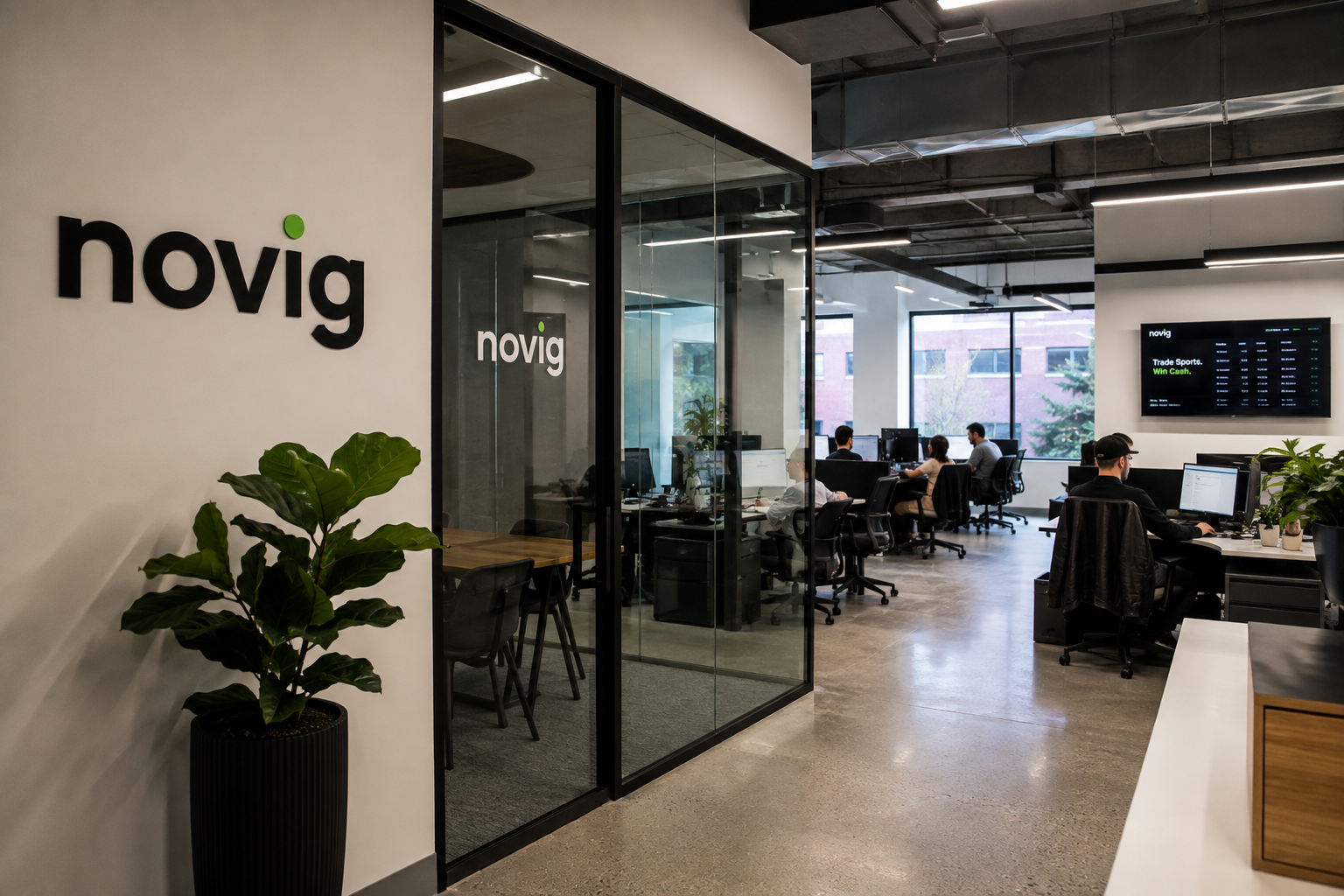
Novig reported more than $125 million in notional volume in its first week after launching sports event contracts on August 4. That topped the opening-week sports-contract volume from Kalshi, Polymarket U.S., Underdog, and DraftKings' DKeX, based on Novig's data.
That matters because sports is the most contested corner of the category.
Kalshi and Polymarket are trying to be broad event markets. Novig is staying focused on sports. The volume says there is demand for that lane.
But the rulebook is not settled.
States still argue sports contracts are gambling. Platforms argue they are federally regulated event contracts.
The Sports Test
The volume is real. The legal permission is still the variable.
On September 8th, a powerful new law signed by President Trump
will trigger a radical shift in America’s money system...
When a small group of private companies — not the Fed — will perform a major mint of a new kind of money.
And those who act before this new system fully kicks in could see gains as high as 40X by 2032.
But those who fail to prepare will be blindsided by this sea change to the U.S. dollar.
Go here now for the details — before the September 8th mint hits the market.
Tuesday tied three cost problems together.
The first is money. The 30-year is at a 2007 high. Global yields are moving in the same direction. That raises the hurdle for every long project.
The second is oil. WTI is near $85 and Hormuz traffic is running near 10 ships a day. That keeps a floor under inflation risk.
The third is inputs. Builders are cutting prices and using incentives. Factories are paying more for inputs than they can charge for output. Memory stocks sold off because high prices are no longer enough if the multiple breaks.
That is why the dollar matters too. Higher yields did not pull it higher in the morning setup. That means the yield is compensation, not attraction. When higher US yields do not pull the dollar higher, foreign buyers are demanding more yield to hold Treasuries rather than seeking dollar exposure. That is a specific tell about the auction demand pattern this month.
The Cost Stack
The market is not only fighting Fed policy. It is fighting the cost of time, energy, and inputs at once.
Tuesday answered the morning with the same message.
The long end stayed in control. Oil stayed high. Hormuz stayed blocked. Memory stocks broke again.
What is priced: a September Fed hold, no quick blockade end, sports prediction-market demand, and a long bond that keeps paying more.
What is not priced: Hormuz traffic staying near 10 ships, oil holding above $85, global long yields tightening financial conditions, or sports markets forcing faster state action.
The Fed can pause.
The 30-year does not have to.
Capital moves early. Coverage catches up. The gap between the two is worth watching.