The contract dipped to 11 cents as oil fell in the morning, then returned to 13 cents on large orders, including about 37,000 contracts in a single trade. Ninety-four of 100 economists in a survey expect no change next week.
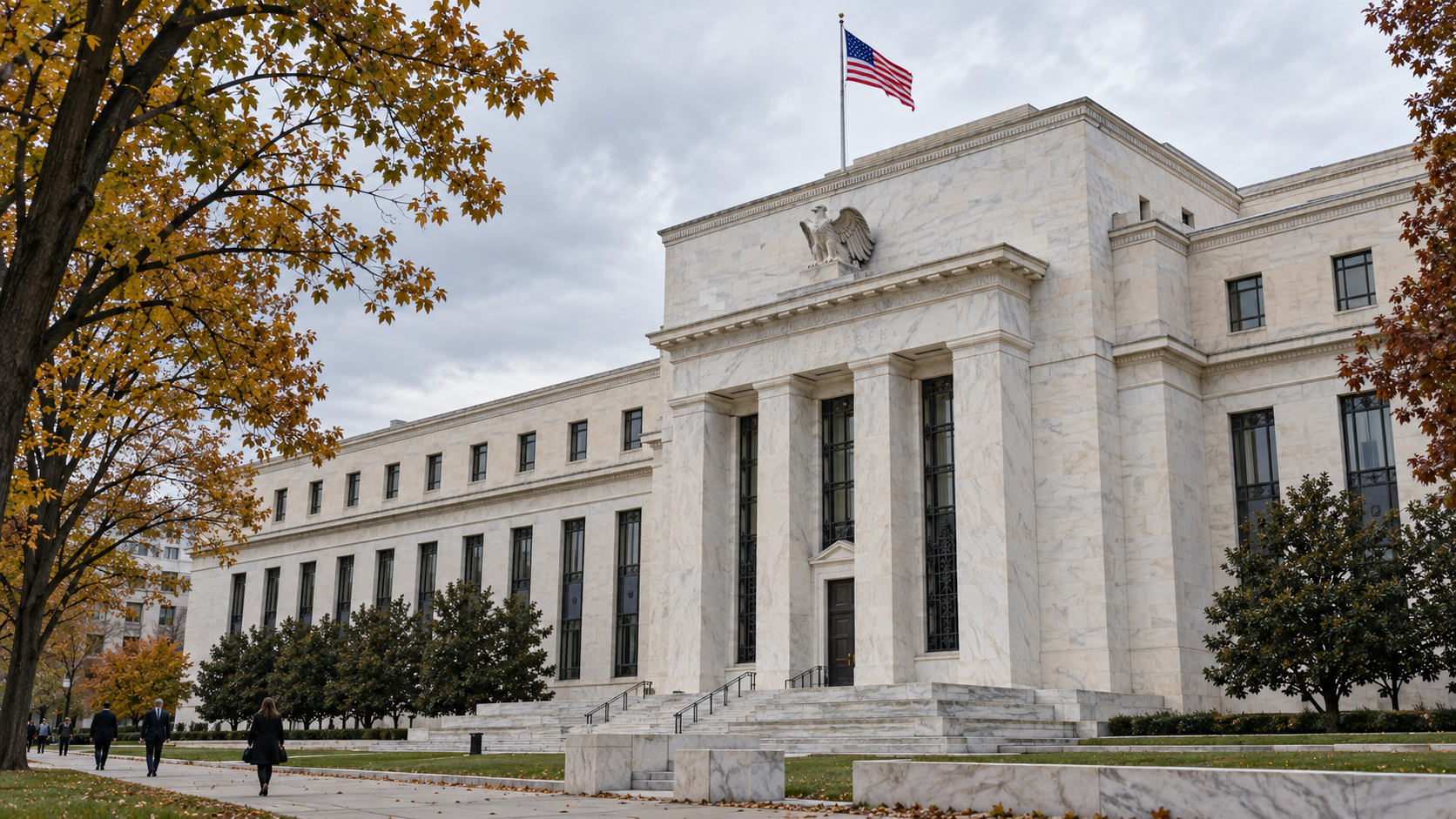
The Federal Reserve meets a week from Tuesday. On Kalshi, a small but stubborn minority of money is betting it will raise rates.
Kalshi's contract on a 25-basis-point rate increase at the Oct. 27 to 28 meeting traded at 13 cents at about 8:30 a.m. Eastern on Tuesday. It fell to 11 cents at 10:27 a.m. and again at 11:13 a.m., as oil dropped on reports of a mediation proposal in the Iran conflict. From 11:36 a.m., it was back at 13 cents on heavy trading, including more than 25,000 contracts in a single minute and a single print of 36,864 contracts at 12:57 p.m. Its last trade before 2 p.m. was at 13 cents.
The price implies about a 13% chance of an October hike.
The economists' view
Forecasters are much more settled. In a Reuters poll of 100 economists published on Tuesday, 94 expected the Fed to hold its benchmark rate at 3.75% to 4.00% next week. That leaves six who do not expect a hold. The market's 13% is roughly twice that share.
Futures markets priced even more risk of a move. Before the U.S. open, CME Group's FedWatch tool put the probability of no change at 82.8%, leaving about 17% on other outcomes, which can include moves other than a quarter-point hike.
The comparison is imperfect. A survey counts forecasters' single best guess, while a market price reflects every trader's weighting of the odds. But the ordering says something: both markets put more weight on a surprise than the forecasting profession does, and on that measure Kalshi traders sit closer to the economists than futures do.
The oil link
The morning dip is the useful clue. The contract fell from 13 cents to 11 cents in the same window that Brent crude dropped from about $112 toward $106. Energy prices are the main channel through which the Iran conflict has pushed up inflation, so a sharp fall in oil lowers the chance the Fed acts early.
The recovery is harder to explain from the news. Oil recovered only part of its decline, yet the contract went straight back to 13 cents on large orders. That suggests some traders treat the 13-cent level as fair value for an October move regardless of a single day's oil price, and were willing to buy in size when it dipped.
Market implications
One reading is that the market is overpricing a surprise. The Fed is in its quiet period, Chair Kevin Warsh has avoided signaling moves, nearly all economists expect a hold, and the same survey shows unanimous expectations for a hike in December, which is the more natural moment to act.
A second reading is that the tail is reasonable. Inflation has been running hot with oil above $100, and a Fed willing to surprise could prefer to move before the December data. A 13% price on that risk is not extreme.
What to watch
Oil prices through the week; jobless claims on Thursday; flash purchasing managers' surveys on Friday; any comments from Fed officials after the quiet period ends; and the Kalshi price as the meeting approaches. A rise above 20 cents without new data would suggest traders are acting on information or conviction the forecasters do not share.