A circuit split that was supposed to work in the exchange's favour has been joined by a run of adverse rulings, and the CFTC's own rulemaking remains unfinished.
The legal architecture of U.S. prediction markets moved substantially against Kalshi in the space of roughly one week, across four separate courts.
The sequence began on August 28, when a Ninth Circuit panel held that Kalshi's Nevada sports contracts are likely not swaps, siding with the state against the exchange. Kalshi has petitioned the same court for rehearing en banc.
Then, on September 9, two more courts ruled. The Tenth Circuit denied Kalshi's request for an emergency injunction pending appeal, siding with Utah. Utah Attorney General Derek Brown framed the state's position bluntly: "Gambling is gambling no matter what any company calls it." The same day, a federal district judge in Iowa denied Kalshi's request for a preliminary injunction, finding the exchange "unlikely to succeed on the merits" of its Commodity Exchange Act preemption argument.
The split that reaches the Supreme Court
The circuit split is genuine. In April 2026, the Third Circuit sided with Kalshi against New Jersey. In August, the Ninth Circuit sided with Nevada against Kalshi. Two federal appellate courts have now reached opposing conclusions on whether federally regulated event contracts preempt state gambling law.
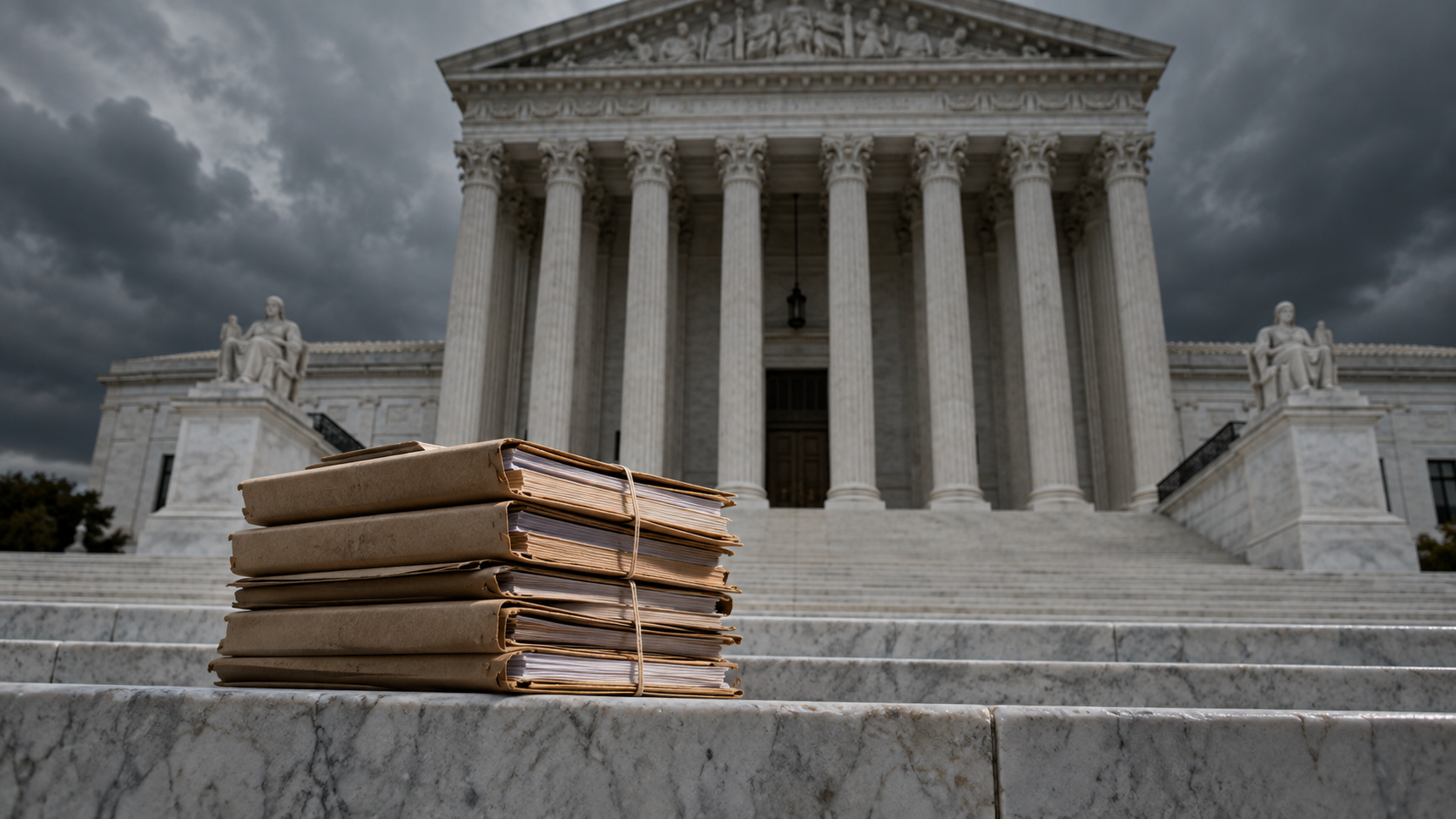
That is the classic predicate for Supreme Court review, and two petitions are pending. New Jersey filed for certiorari on September 2. Robinhood filed on September 9, as one of the parties, alongside Kalshi and Crypto.com, consolidated into the underlying Nevada dispute.
The Supreme Court has roughly 90 days to act on a petition once filed, and Kalshi has 30 days to respond once a petition is docketed. That puts a realistic decision on whether to grant review in the fourth quarter.
The argument for the Court waiting
There is a serious reason the Court might decline for now. The CFTC proposed its own event-contracts rulemaking in March 2026 and has not finalised it. Attorneys following the litigation, including Carl Kennedy of Katten, Katherine Kirkpatrick Bos of Chainlink Labs, Todd Phillips of the Klaros Group and gaming-law practitioner Daniel Wallach, have noted that an unfinished federal rule gives the Court grounds to treat the question as unripe.
A justice inclined to avoid deciding a preemption question can reasonably say the agency should finish defining what it is preempting with first.
What is at stake commercially
Every state that wins strengthens the argument that prediction-market operators need state-by-state gaming licences rather than a single federal registration. That is the difference between a national product and 50 separate regulatory relationships, and it is a materially different cost structure for every venue in the sector.
The near-term markers are Kalshi's en banc petition in the Ninth Circuit and the Supreme Court's response to the two cert petitions.