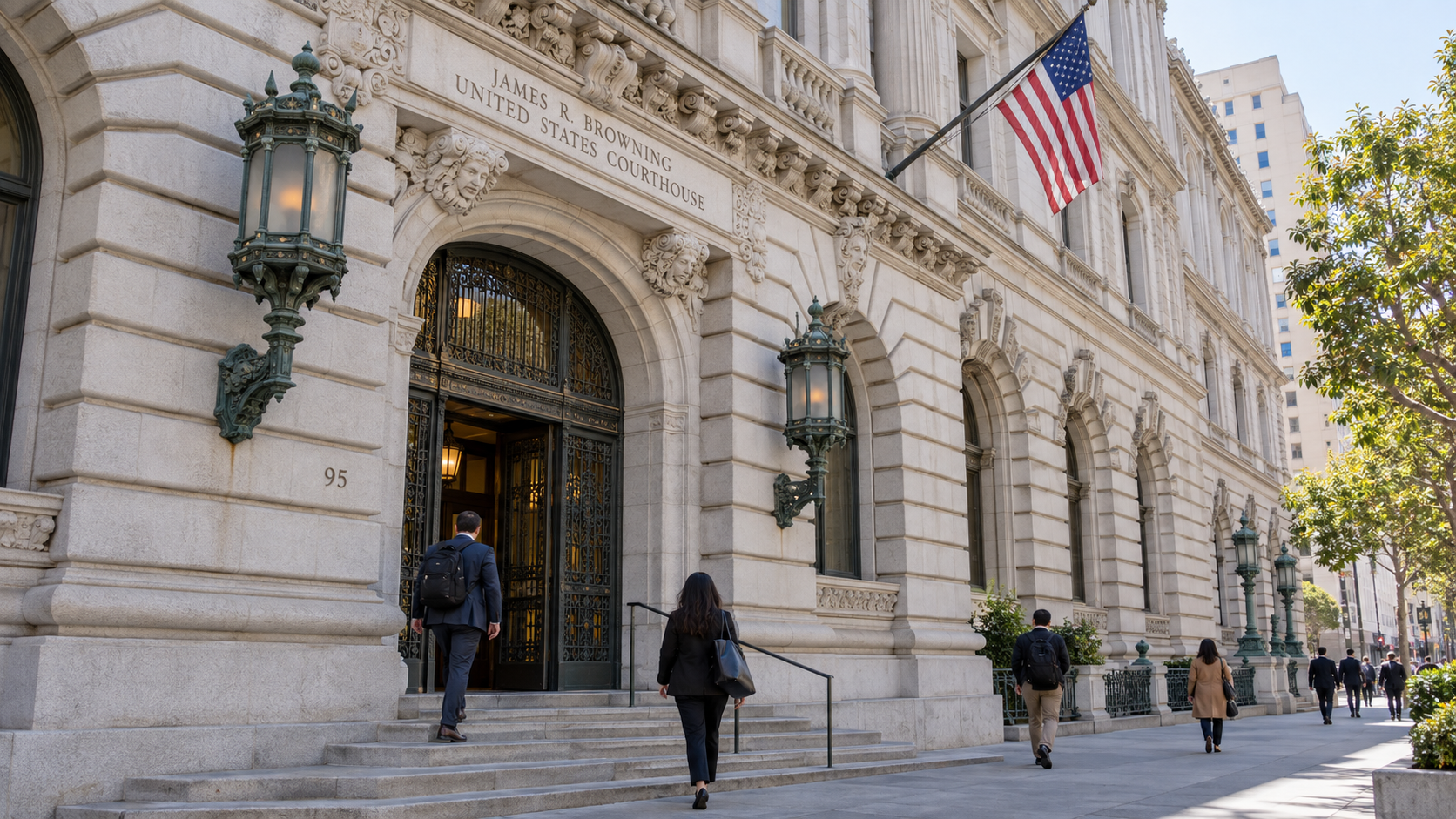
Two California tribes won the newest ruling under the Indian Gaming Regulatory Act. A Wisconsin tribe's case is moving to the Seventh Circuit, and three Supreme Court petitions seek to settle the state-law question.
Since Aug. 28, federal appeals courts have ruled against Kalshi's sports contracts four times. Its only appellate win this year came in April.
The sequence runs through three circuits. The Ninth Circuit sided with Nevada on Aug. 28. The Tenth Circuit denied Kalshi emergency relief in Utah's case on Sept. 9. A second Ninth Circuit panel ruled against it on Sept. 16, and the Sixth Circuit held on Sept. 25 that Ohio and Tennessee may apply their gambling laws to the contracts. The April win came from the Third Circuit, in New Jersey's case.
The Sept. 16 ruling stands apart from the rest because it does not depend on state law at all.
The tribal case
That case was brought by Blue Lake Rancheria, along with the Chicken Ranch Rancheria of Me-Wuk Indians. The panel found that the California tribes are likely to show that Kalshi's sports contracts, when bought by people on tribal land, count as unauthorized class III gaming under the Indian Gaming Regulatory Act. Robinhood, which offers the contracts to its customers, is also a defendant.
The ruling partly reversed a district judge who had refused a preliminary injunction. A separate false-advertising claim by the tribes was rejected.
The panel located the wager with the customer, not with the exchange's servers, and said a tribe can enforce its gaming rules against a company that has no agreement with it. Judge McKeown's opinion leaned on the Nevada ruling that "the substance of the sports event contracts offered on Kalshi's DCM is sports gambling, regardless of whether Kalshi calls them swaps," and found that federal commodities law does not override the tribal gaming statute.
A second tribe
Wisconsin's Ho-Chunk Nation is next in line. A federal judge there certified an interlocutory appeal to the Seventh Circuit on Sept. 11, which sends the tribal question to another appeals court before any trial.
The Supreme Court
Three petitions ask the justices to resolve the state-law split: New Jersey's in Flaherty v. KalshiEX, filed Sept. 2, Robinhood's in Robinhood Derivatives v. Dreitzer, and one from Crypto.com's derivatives unit in North American Derivatives Exchange v. Nevada. Kalshi owes its response in the New Jersey case by Nov. 9, and it has separately asked the Ninth Circuit to rehear the Nevada decision.
What a ruling would and would not settle
The petitions turn on whether the Commodity Exchange Act displaces state gambling law. A win for Kalshi there would not necessarily dispose of the tribal cases, because they rest on a separate federal statute written for gaming on Indian lands. If the location holding stands, platforms may need controls that screen out customers on tribal land, on top of the state-by-state lines they already manage.
The Court's decision on whether to take any of the petitions, the Ninth Circuit's answer on rehearing and the Seventh Circuit's schedule for Ho-Chunk will show whether the questions are resolved together or one at a time.