Tribes in Oklahoma and California will own the apps and customer relationships while Kalshi runs the exchange underneath. The launches come weeks after a federal appeals court blocked Kalshi's sports contracts on two California tribes' lands.
| HOOD, DKNG, FLUT, CZR
Kalshi has found a way into Indian Country through tribes that say casino gaming never worked for them.
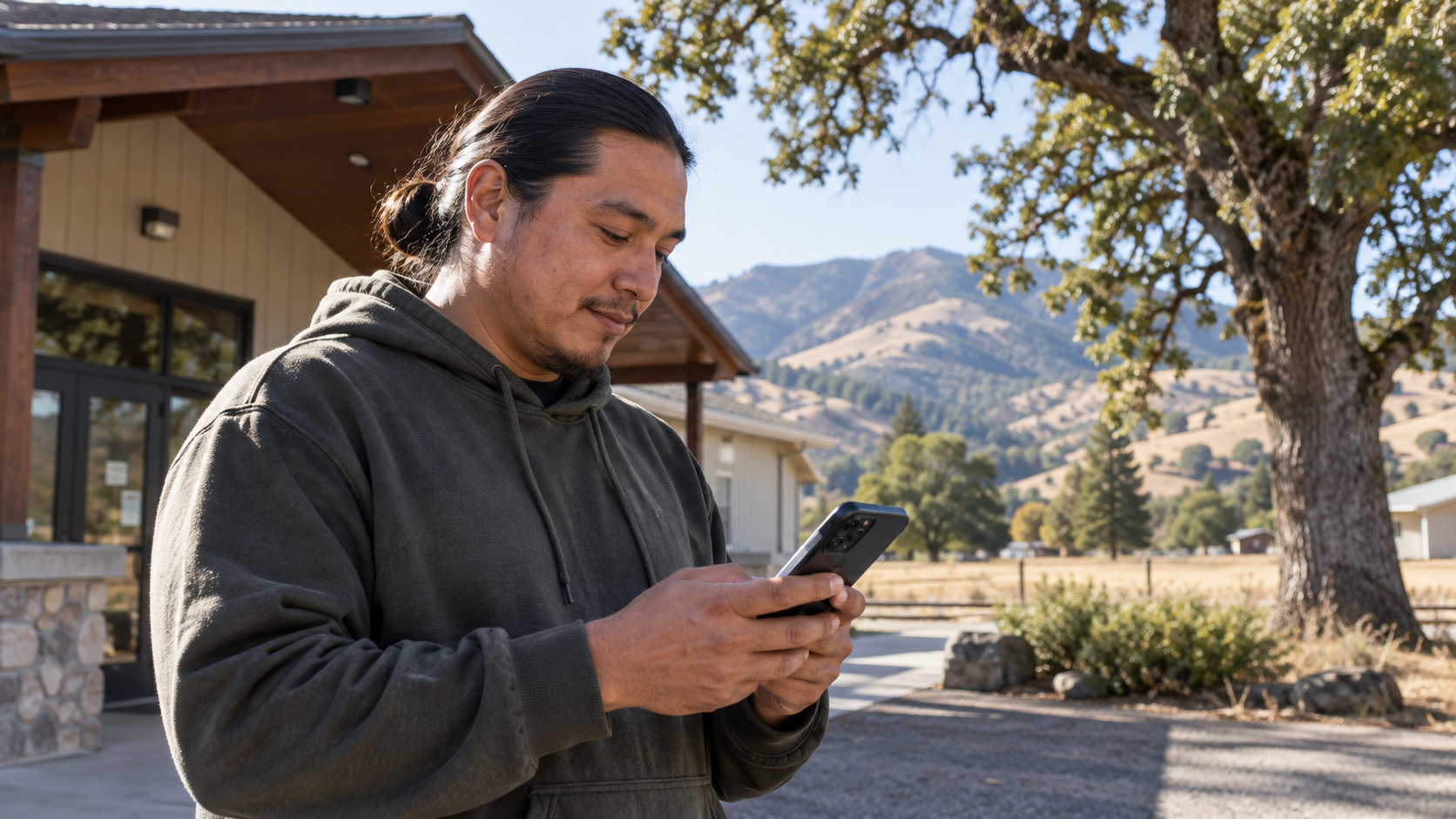
On Wednesday four tribal nations opened their own prediction-market apps, all routing trades through Kalshi's CFTC-regulated exchange. One is in Oklahoma: PokkeTrades, from the Alabama-Quassarte Tribal Town. California accounts for the other three: Greenville, from the Greenville Rancheria; Sovereign Edge, from the Kletsel Dehe Wintun Nation's economic development authority; and AIR Markets, from the Alturas Indian Rancheria.
How the apps work
Ownership sits with the tribes, which control branding, marketing and the customer relationship. Beneath that, Kalshi runs the exchange itself, handling matching, clearing, custody and surveillance under its Commodity Futures Trading Commission licenses. The company likens its role to the processor behind a bank's payment app.
"Each of these tribes owns its platform, its brand, and its relationship with customers, backed by the liquidity of a unified, nationwide exchange," said Tarek Mansour, Kalshi's chief executive.
The tribes' case
The tribes joining Kalshi describe themselves as nations that geography kept out of casino revenue. Wilson Yargee, the Alabama-Quassarte chief, made that case directly. "Geography has kept many tribes from sharing in the prosperity that gaming created," he said. "We will respect every other tribe's authority on its land, and we expect the same respect for our authority to make this decision."
The Kletsel Dehe Wintun Nation, on remote land in northern California, wants the app's revenue to pay for water projects, administrator Eric Wright said. "We aren't a big gaming tribe that has a ton of economic dollars lying around," he said. "Other tribes are entitled to disagree with our decision, but they don't have veto power over our economic future."
The opposition
The opposition is far larger. Hundreds of tribes contend that prediction markets intrude unlawfully on gaming rights under the Indian Gaming Regulatory Act, and they are asking courts to bar sports event contracts, which account for more than 80% of the industry's business. On a federal appeals court sided with two California tribes and blocked Kalshi's sports contracts on their lands. Within days the first tribal launch followed anyway, when Louisiana's Tunica-Biloxi Tribe opened an app running on Kalshi's exchange.
Rebecca George, who leads the Washington Indian Gaming Association, said that "in Indian country, we're still fighting for basic infrastructure," and that the prediction-market boom "is coming off of the backs of the tribes."
The CFTC rejects the tribes' premise. Because the agency does not treat event contracts as gambling, it does not consider itself bound to negotiate with tribes.
Why it matters for the industry
Tribal partnerships give Kalshi a political answer to its most organized opponents. If the industry can show that some tribes benefit as owners, the argument that event contracts harm Indian Country as a whole could become harder to make in court and in Congress.
Tribal Ownership and the Legal Challenge
One reading is that the ownership model is a template. Tribes without casino access gain a revenue source, Kalshi gains distribution and allies, and the fight shifts from industry against tribes to a disagreement among tribes.
Another reading is that five tribal apps do little to change the legal picture. The appeals ruling stands, most tribes and gaming associations remain opposed, and courts, not partnerships, will decide whether sports contracts fall under gaming law.
The test cases
Further tribal launches, any revenue disclosure from the new apps, and the next appellate rulings on sports event contracts will show whether the model spreads or stays at the edges of Indian Country.