Polymarket's contract on the ceasefire holding through Oct. 31 rose to 92.5 cents from 86.5 cents after regional talks in Tehran. Contracts expiring before the Nov. 3 midterms trade above 90 cents. The one expiring Nov. 15 is close to a coin flip.
Prediction markets spent Monday night betting that the U.S.-Iran ceasefire will hold through the end of the month. They are much less sure about the weeks after the U.S. election.
On Polymarket, the contract on whether the ceasefire continues through Oct. 31 rose to 92.5 cents at 4:46 a.m. Eastern on Tuesday, from 86.5 cents at 2 p.m. on Monday. It climbed in steady hourly steps from Monday afternoon to about 2 a.m. and held there. The Oct. 28 contract rose to 96.55 cents from 94.5 cents.
The later contracts moved less. The Nov. 8 contract rose to 69.5 cents from 66.5 cents, and the Nov. 15 contract to 54.5 cents from 53.5 cents.
What the ladder implies
Read as probabilities, the prices imply about a 3.5% chance of a qualifying U.S. strike on Iranian territory by Oct. 28 and about 7.5% by Oct. 31. By Nov. 8 the implied chance rises to about 30.5%, and by Nov. 15 to about 45.5%.
The largest step comes between the Oct. 31 and Nov. 8 contracts, a window that contains the Nov. 3 midterm elections. President Donald Trump said on Oct. 8 that the U.S. would not attack Iran before the midterms. On Sunday, he said it was "getting to be decision time" on whether to make a deal or "finish it off." The ladder's shape fits that calendar closely.
The talks
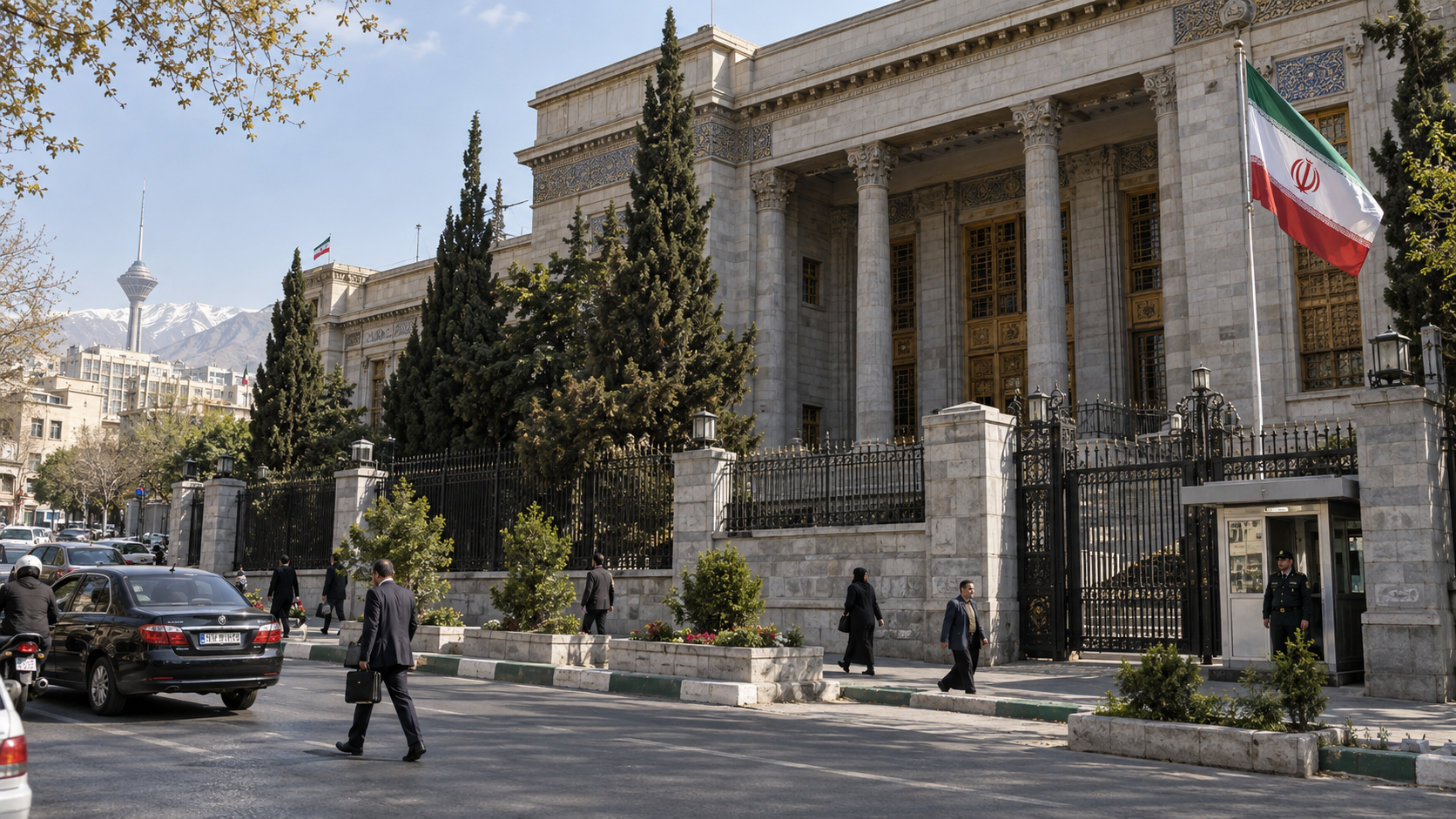
The rally followed a meeting in Tehran between Iran's president and foreign minister and senior officials from Saudi Arabia, Pakistan and Turkey. Iranian state media said the parties agreed to continue discussions, and Tehran called the talks "very good." No concrete announcement came out of them.
The signals around the talks have been mixed. Iran's foreign ministry said on Monday that the U.S. is "not serious" about negotiations, a vessel caught fire off Iraq, and the Saudi-led coalition said overnight that it intercepted Houthi missiles. Brent crude swung overnight and was slightly higher in early European trading, after settling lower on Monday.
The move followed the talks, but the talks did not produce anything that would on their own explain a six-point gain. Some of the rise is likely time decay: with each day that passes without a strike, there are fewer days left for one to happen before the contract expires.
The trading behind it
The Oct. 31 contract traded about $189,000 over 24 hours, with about $240,000 of liquidity on its order book. The Oct. 28 contract traded about $203,000. These are meaningful but not deep markets, and FinancialMarkets.com did not find a comparable contract on another venue to confirm the move.
The Oct. 24 contract, which expired three days ago, still trades near 99.8 cents and has not settled.
Two readings
One reading is that the market is rewarding diplomacy. Saudi Arabia, Pakistan and Turkey are talking directly to Tehran, Qatar is mediating, the U.S. president has ruled out a pre-election strike, and the near-term contracts are pricing a quiet week accordingly.
The other is that the ladder is a calendar, not a peace forecast. Prices above 90 cents before Nov. 3 and close to even odds two weeks later say traders believe the pledge more than the talks. On that reading, the risk has not fallen. It has been scheduled.
What to watch
The Oct. 28 expiry, settlement of the Oct. 24 contract, any outcome from further regional talks, U.S. statements after the midterms, and the Nov. 8 and Nov. 15 contracts as the election approaches.