The energy sector ETF also finished Friday at a 52-week high. SLB's report this week offered a template for what investors may hear: a beat, alongside a cautious assumption about the Middle East.
Oil companies head into earnings with their shares and the commodity at multi-month highs. The question is how much of the price surge reaches their results, and how much is already in their stocks.
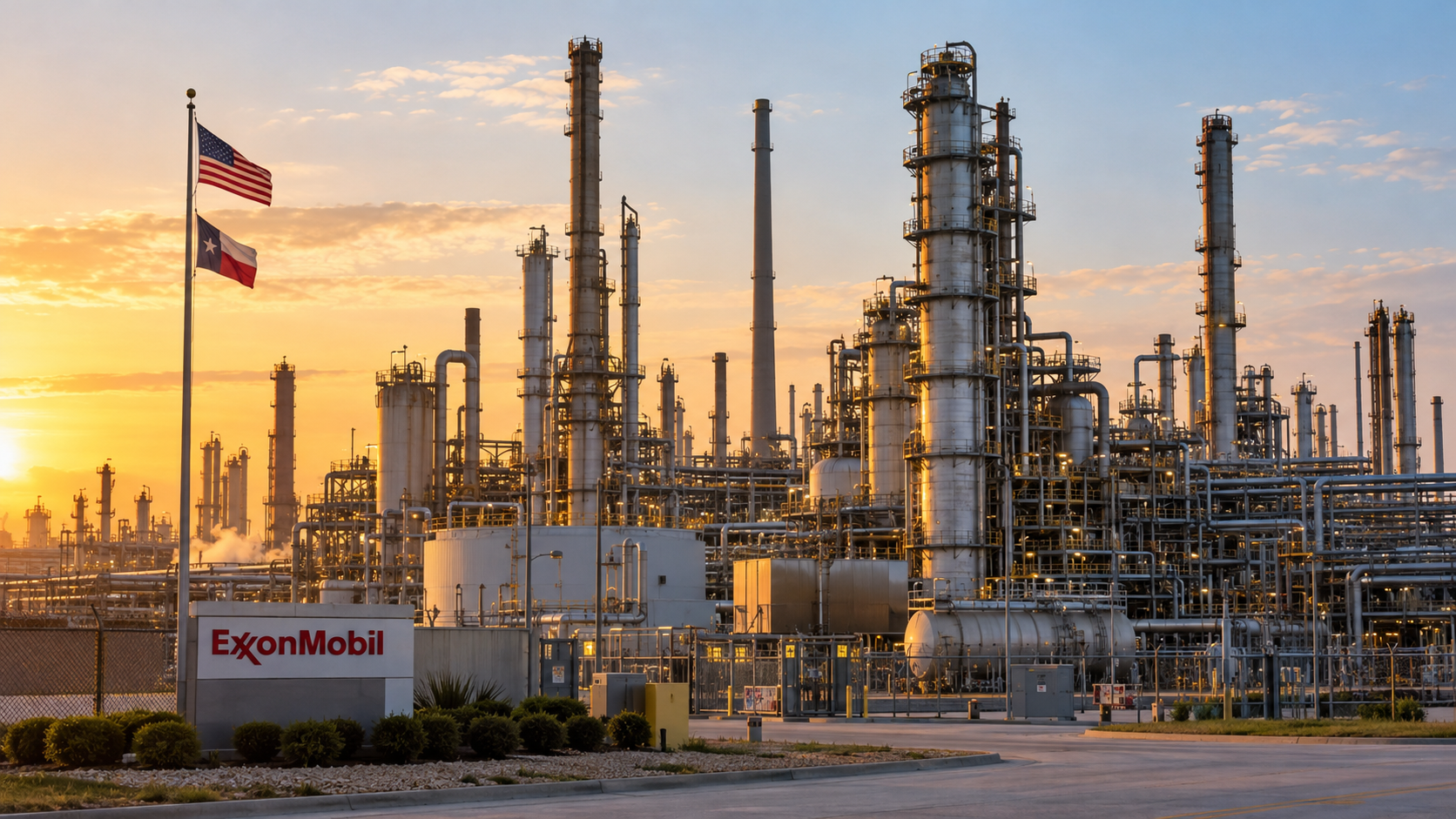
Chevron rose 2.9% on Friday to $233.21 and Exxon Mobil 2.8% to $183.21, both closing at 52-week highs. The Energy Select Sector SPDR Fund gained 2.6% to $69.33, also a 52-week high. Brent crude settled at $116.72 a barrel, its highest settlement since late April.
Chevron and Exxon are scheduled to report on Friday, Oct. 30, along with BP. Shell and TotalEnergies report on Thursday, Oct. 29.
A preview from the service side
SLB reported this week and offered a sense of how the industry is talking about the conflict in the Gulf. It beat estimates, and its shares closed Friday up 7.1% at $53.06. Halliburton rose 5.2%.
But SLB, whose Middle East revenue grew 13% in the third quarter to $1.9 billion, assumes that revenue stays flat in the fourth quarter, citing ongoing uncertainty after heightened tensions in the region. The producers will face the same question from the other side: whether the war has affected their own operations, shipping or customers in the region, and how they are planning for it.
The curve's message
Producers are paid on the price they realize when they sell, and the futures curve suggests the current price is not expected to last. Brent for delivery in December 2027 trades near $87, about $30 below the front-month contract. That suggests companies setting multi-year budgets and buyback plans may be cautious about treating today's price as a new baseline.
Policy is pushing in the same direction
The White House issued a presidential determination under the Defense Production Act on Oct. 22 covering domestic petroleum production, refining and logistics capacity. How the order will be used, and whether it affects the companies' plans, will be a natural question on the calls.
What investors will weigh
The bullish view is that a sustained period of oil above $100 lifts cash flow sharply, which supports higher buybacks and dividends and justifies the stocks' climb to new highs.
The cautious view is that the gains depend on a conflict that could ease or escalate quickly, that a steeply downward-sloping futures curve argues against extrapolating current prices, and that disruptions in the Middle East could cut into some companies' volumes even as prices rise.
What to watch
Realized prices and production volumes for the third quarter, updated buyback plans, any commentary on Middle East operations, and how management teams describe their price assumptions for 2027.