Polymarket's contract on the U.S.-Yemen ceasefire holding through Oct. 31 rose to 80.5 cents overnight, after plunging to 59 cents for an hour on Saturday. Traders put the odds of a full-day closure of Riyadh's airport at about 92%.
President Trump has said the United States "may" join Saudi Arabia's retaliation against Yemen's Houthis. Traders on one event market are betting, with growing conviction, that it will not happen this month.
Polymarket lists a series of contracts titled "US-Yemen ceasefire continues through...?" Each resolves "No" if the United States takes a qualifying military action against Yemen by the stated date. The "Yes" side therefore pays if Washington stays out.
The prices
The contract running through Oct. 31 rose from 76.5 cents on Sunday afternoon to 80.5 cents by about 4:45 a.m. Eastern on Monday, with the step up beginning around 11 p.m. Eastern. The Oct. 15 contract rose to 93.5 cents from 90.5, and a contract expiring Monday traded near 98 cents.
The Oct. 31 contract had a sharper episode on Saturday. It fell from 74 cents to 59 cents at 8 p.m. Eastern, hours after Mr. Trump's remarks and the release of the death toll from the first Riyadh airport strike, then recovered to 78 cents within an hour. No single trade or announcement explains that hour, and the market is small: the Oct. 31 line has drawn well under $100,000 of trading.
At 80.5 cents, traders are putting the chance of a qualifying U.S. strike on Yemen before November at roughly one in five.
What is happening on the ground
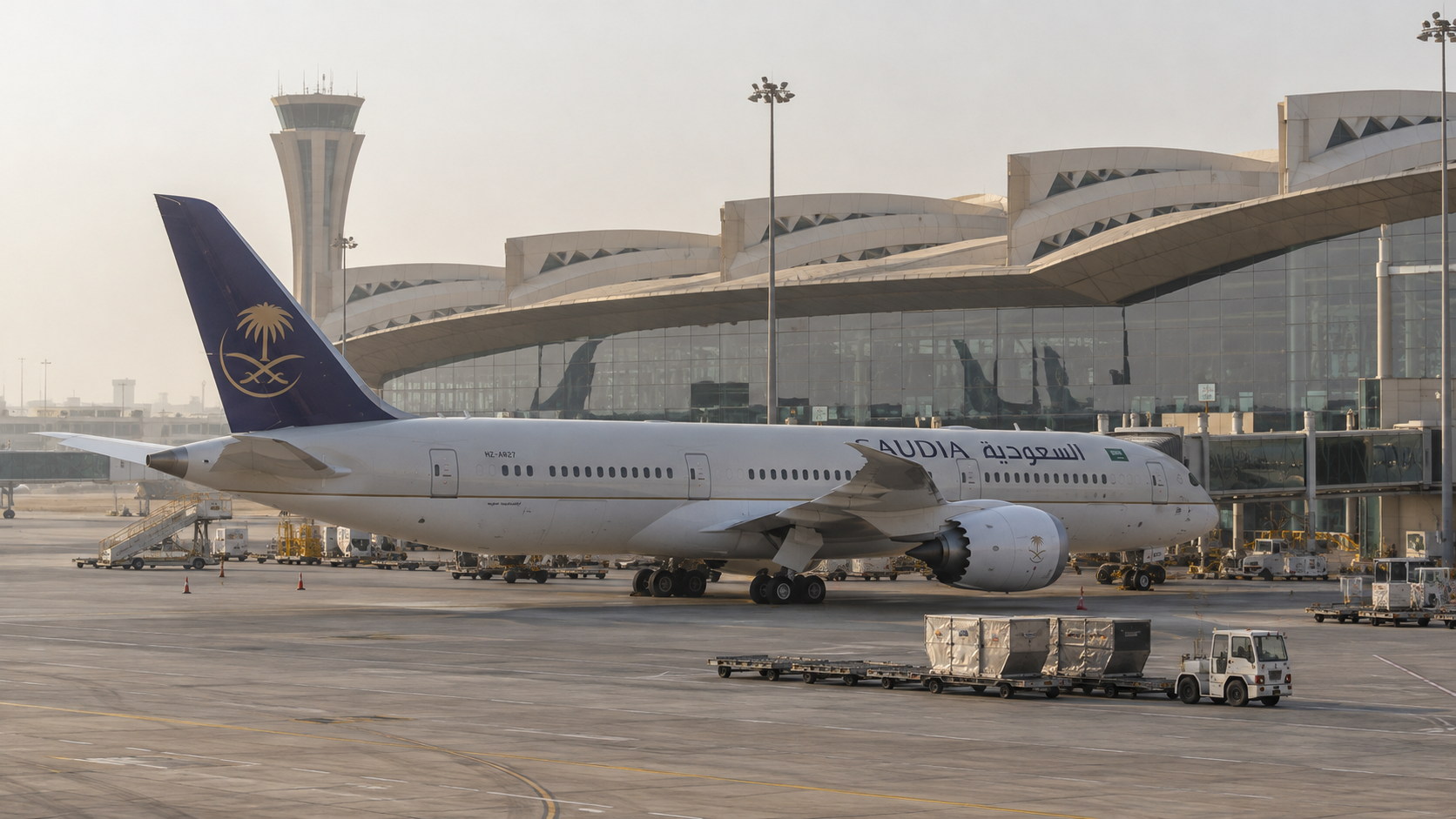
The Houthis have struck Riyadh's King Khalid International Airport on consecutive days. Saturday's attack killed 12 people, according to Saudi authorities. On Sunday a projectile hit a passenger terminal, killing one and injuring 11. The U.S. mission in Saudi Arabia urged "extreme caution" at all major Saudi airports and said Dammam's airport was targeted on Oct. 11. The Houthis warned airlines against using Saudi airports and airspace, exempting Mecca and Medina.
Mr. Trump called the attack "not acceptable" and said he would speak with Crown Prince Mohammed bin Salman. Asked whether the U.S. would join Saudi strikes, he said: "We may. We're going to look at it." No decision has been announced, and the White House did not comment on Sunday.
The other Gulf contracts
Related markets help fill out the picture. A Polymarket contract on Riyadh's airport being closed to departures for at least 24 consecutive hours, measured by flight-tracking data rather than notices or cancellations, traded at 92.5 cents for both its Oct. 15 and Oct. 31 dates. Flights at the airport were suspended from Oct. 10 until late Sunday, which may bear on how the contract resolves. A contract on a Saudi-Houthi ceasefire agreement being announced traded at 9.5 cents for Oct. 31 and 24.5 cents for Dec. 31. A contract on the Bab el-Mandeb strait being effectively closed by year-end rose a cent to 16.5 cents, from 11 p.m. Sunday.
Together, those prices describe a conflict traders expect to continue between Saudi Arabia and the Houthis, with little chance of a quick settlement, but one the United States stays out of for now.
Two readings
One reading is that the rise in the Yes price reflects a realistic view of U.S. policy. The president has said he will "look at it" without committing, and he reportedly turned down a Saudi request for U.S. strikes on the Houthis last month.
The other is that a one-in-five chance in less than three weeks is substantial, and that a thin market can misprice a decision that rests with one person. The coalition has promised a "decisive" response, attacks have spread to Dammam, and a U.S. strike would take only a single order.
What to watch
Any U.S. announcement on Houthi targets, the coalition's response, and further attacks on Saudi airports will move these contracts. The Oct. 15 line resolves on Thursday.