Saudi Aramco told employees to evacuate its Dhahran headquarters building and work remotely, six people with knowledge of the matter told Reuters, as Houthi forces claimed strikes on the Saudi Defense Ministry and Aramco sites in Yanbu that Riyadh has not confirmed. The toll from the Dammam airport attack rose to two.
The escalation in Saudi Arabia moved closer to the center of its oil industry on Thursday.
Saudi Aramco has told staff to evacuate its headquarters building in Dhahran and work remotely, six people with knowledge of the matter told Reuters. It was the first time since the start of the Iran war that Aramco had asked staff to leave the headquarters, according to the report, which said the Houthis had caused extensive damage to the building earlier this month. Aramco did not immediately respond to requests for comment.
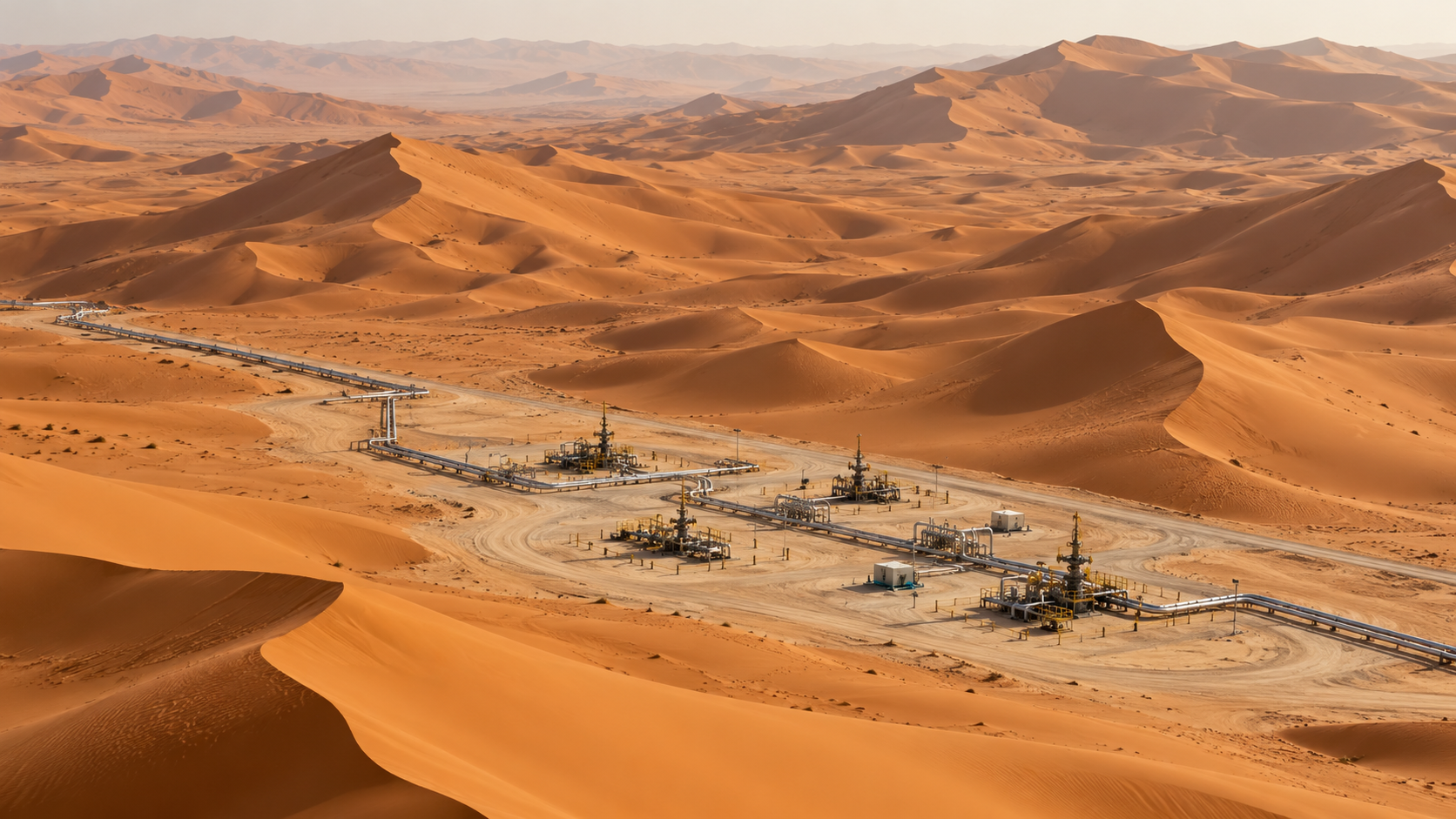
Earlier, Yahya Saree, the military spokesman for Yemen's Houthi movement, said the group had carried out four operations over 48 hours, targeting Saudi Arabia's Defense Ministry in Riyadh, Aramco facilities in Yanbu and the airports at Abha and Dammam. Saudi authorities have not confirmed that the Defense Ministry or the Yanbu facilities were hit.
Saudi Arabia's General Authority of Civil Aviation said the death toll from Wednesday's strike on Dammam's airport had risen to two, with eight people wounded, and that operations there have resumed. A State Department spokesperson, asked about reports that U.S. families were also being withdrawn from other Gulf states, said the ordered departure of U.S. government personnel applies to "Saudi Arabia only." Reports by NBC News and AFP had described withdrawals of families from several Gulf states.
What Yanbu would mean
Yanbu, on the Red Sea, matters for a specific reason. It is where Saudi crude can be shipped without passing through the Strait of Hormuz. A confirmed hit there would put the bypass route itself at risk. That is why the claim matters even though it comes from one party and has not been confirmed.
The Dhahran evacuation is a different kind of signal. Sending headquarters staff home is a precaution about people, not a statement about production. Coming after earlier damage to the same building, it does show how seriously the company is treating the threat to its home base.
Oil up, oil stocks down
Brent crude traded at about $112.75 a barrel at 1:46 p.m. Eastern, up 3.6% and at its highest level since May. WTI rose 2.6% to about $99.65 and heating oil futures gained 2.8%.
The Energy Select Sector SPDR Fund fell 1.2%. Producers usually rise with crude, so the split is worth noting. One explanation is that equity investors do not see a lasting loss of supply: no production outage has been confirmed, and the most serious claims have not been confirmed. Another is that energy shares were caught in a broad equity selloff led by technology stocks, which dragged the S&P 500 down 1.3%. The tape is consistent with both.
What to watch
Any Aramco statement on Dhahran, any Saudi confirmation or denial of the Yanbu and Riyadh claims, and where Brent settles. Weekly export data that include this week's attacks will show whether physical flows have changed.