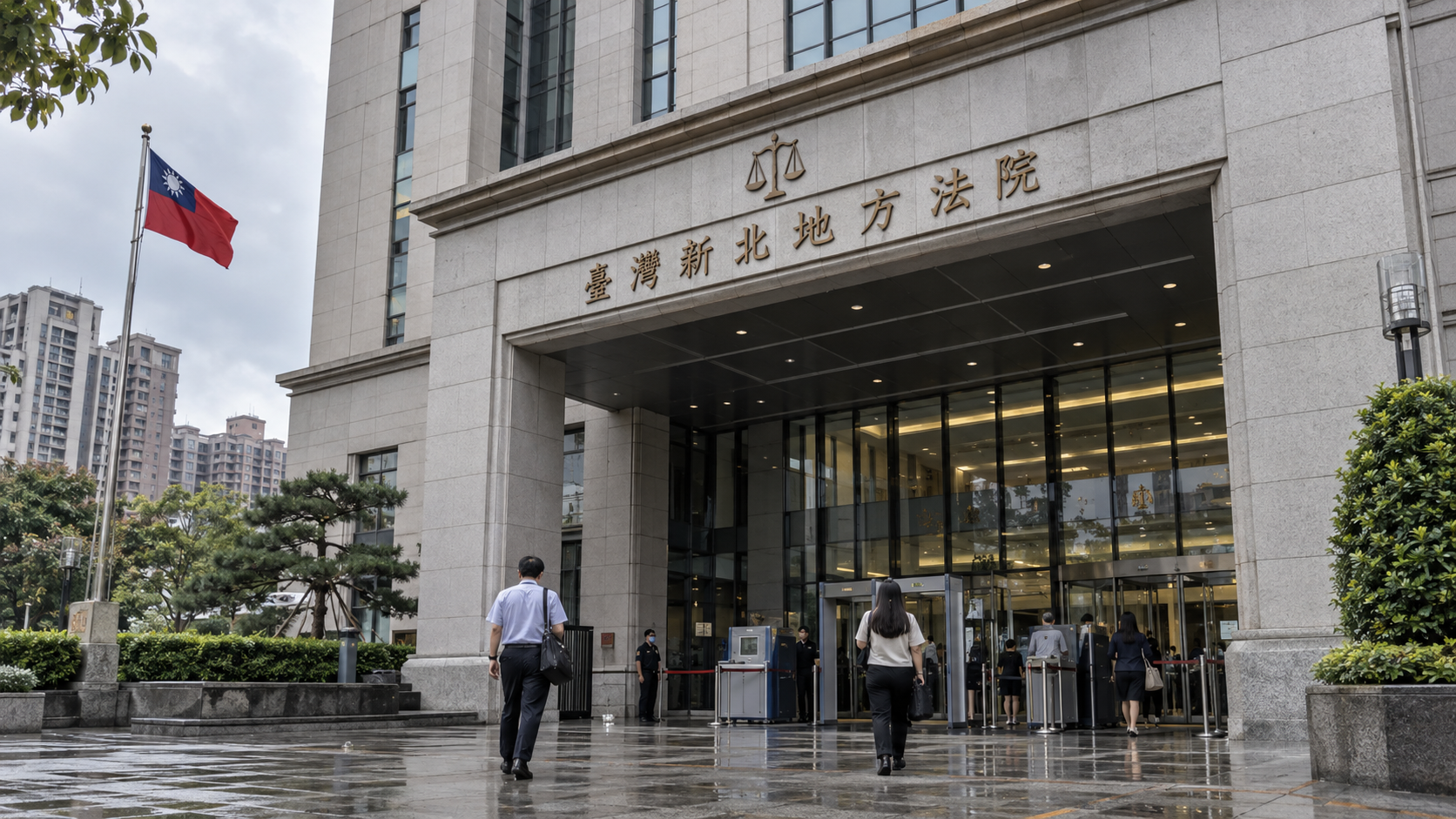
Taiwanese authorities say betting on elections violates a statute governing votes for public office, with penalties of up to five years in prison for operators. Polymarket has been blocked since May, and local elections are six weeks away.
Taiwan has added Kalshi and Coinbase to the list of prediction-market platforms its residents cannot reach.
The New Taipei District Court approved a request from Taiwan's Criminal Investigation Bureau to restrict access to the two platforms, citing the Civil Servants Election and Recall Act, according to an account of the ruling. Coinbase users in Taiwan began seeing a court notice on Oct. 14. Polymarket was already blocked under a separate order from the Miaoli District Court in May.
Under the law, people who place bets on elections can face up to six months in prison, and operators up to five years. Taiwan holds local elections on Nov. 28.
Kalshi and Coinbase had not commented as of Thursday.
Why Coinbase is on the list
Coinbase offers Kalshi's event contracts to its users through a partnership, and its prediction-market page listed a contract tied to Taiwan's presidential election. That puts the distributor in the same position as the exchange under Taiwan's reading of the law. The order covers access to the platforms in Taiwan; it does not affect either company's operations elsewhere.
The enforcement pattern
Taiwan's approach treats election contracts as gambling, regardless of how they are regulated in the U.S., where Kalshi operates as a federally regulated exchange. Authorities have blocked platforms and pursued individual bettors, with searches in Taichung in April, an indictment in May and a detention in Hsinchu on Oct. 7. They have not charged the companies themselves.
That pattern matters for platforms that are expanding internationally. A contract that is legal in one jurisdiction can be a criminal matter in another, for the platform's users as well as the platform, and access-blocking orders are cheap for governments to issue and difficult for platforms to contest from abroad.
Market implications
One reading is that the direct financial effect is small. Taiwan is one market, the order covers access rather than assets, and neither Kalshi nor Coinbase has said the island is a material source of revenue.
A second reading is that the international regulatory map for prediction markets is becoming a constraint on growth. Kalshi's argument at home rests on federal oversight, and that argument carries no weight with a foreign court applying its own election law. As platforms push into new countries and distribute through partners, each partner inherits the legal risk of the contracts it offers.
What to watch
Any response from Kalshi or Coinbase, whether Taiwan moves against other brokers that offer event contracts, and enforcement around the Nov. 28 local elections. Similar actions in other Asian markets would suggest a regional trend rather than a one-off.