New Jersey's gambling regulator wants the justices to weigh in. So does Robinhood. Two federal appeals courts have already disagreed with each other.
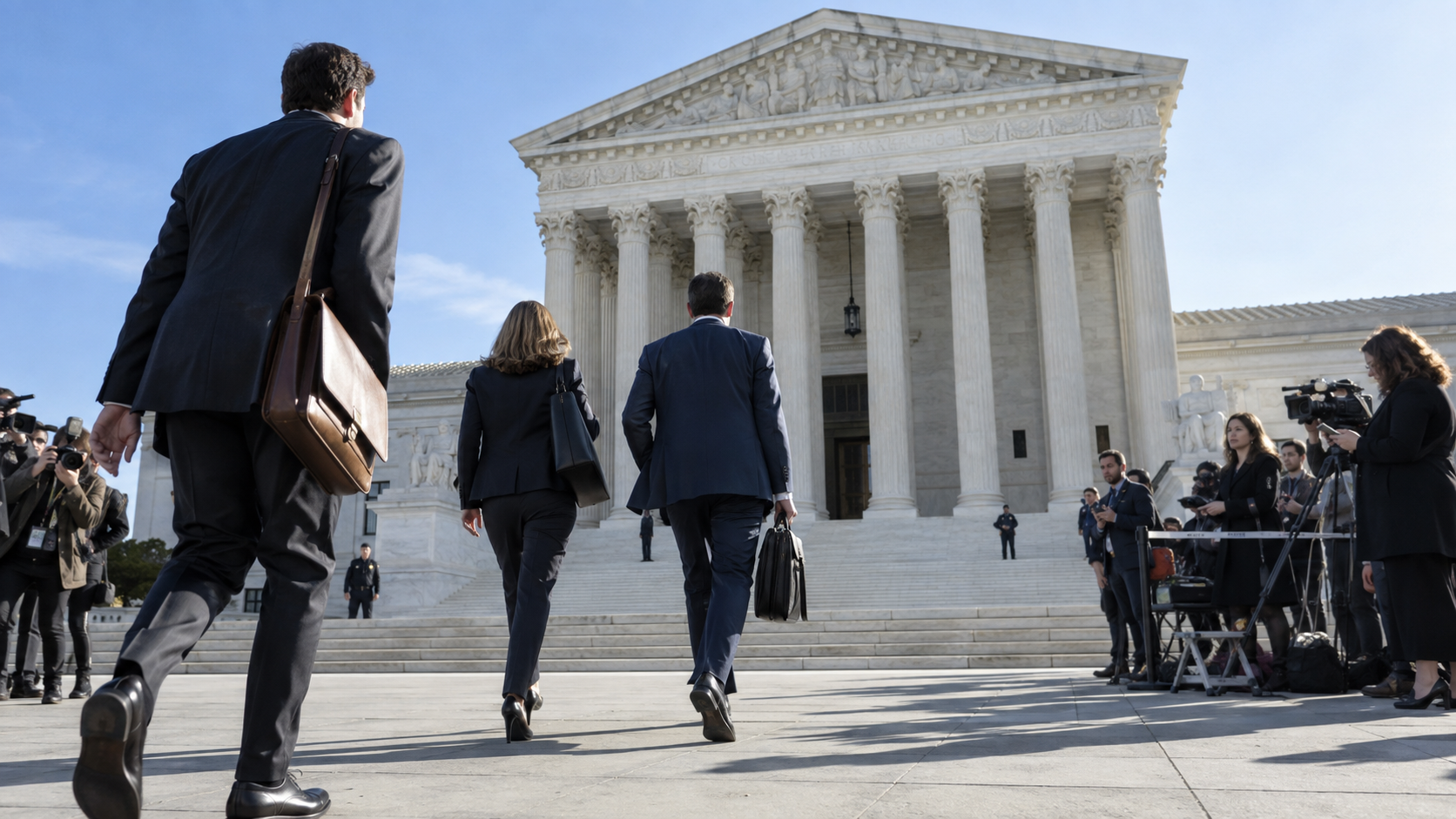
The legal fight over whether prediction market operators can offer sports-related event contracts nationwide, free of state gambling regulation, has escalated to the U.S. Supreme Court. New Jersey's gaming regulator has petitioned the court for review, and Robinhood, joined by Crypto.com, has filed a separate petition challenging a federal appeals court ruling that classified sports event contracts as gambling rather than as swaps subject to federal regulation.
The petitions follow a Ninth Circuit ruling against prediction market operators in a Nevada case, which Kalshi has argued in its own request for a rehearing creates a direct conflict with an earlier, opposing ruling from the Third Circuit. A federal judge in Iowa separately denied Kalshi's request for a preliminary injunction, finding the company unlikely to succeed on the merits of its argument that federal commodities law preempts state gambling regulation. The Tenth Circuit denied Kalshi emergency relief in a related Utah case.
Utah's attorney general said in a statement following that ruling that "gambling is gambling no matter what any company calls it."
Why a circuit split raises the stakes
When two federal appeals courts reach opposite conclusions on the same legal question, it creates exactly the kind of conflict the Supreme Court is most likely to resolve, since allowing it to stand would mean the legality of the same product depends on which part of the country a customer is in. With cert petitions now filed by both a state regulator and a major brokerage, the industry's core legal question, whether federally regulated event contracts preempt state gambling law, is closer to a definitive answer than it has been at any point in this dispute.
What to watch
Whether the Supreme Court agrees to hear either case remains an open question, and a decision to grant or deny certiorari is not expected imminently. In the meantime, prediction market operators continue to face a patchwork of state-by-state outcomes while the underlying legal question works its way through the federal court system.