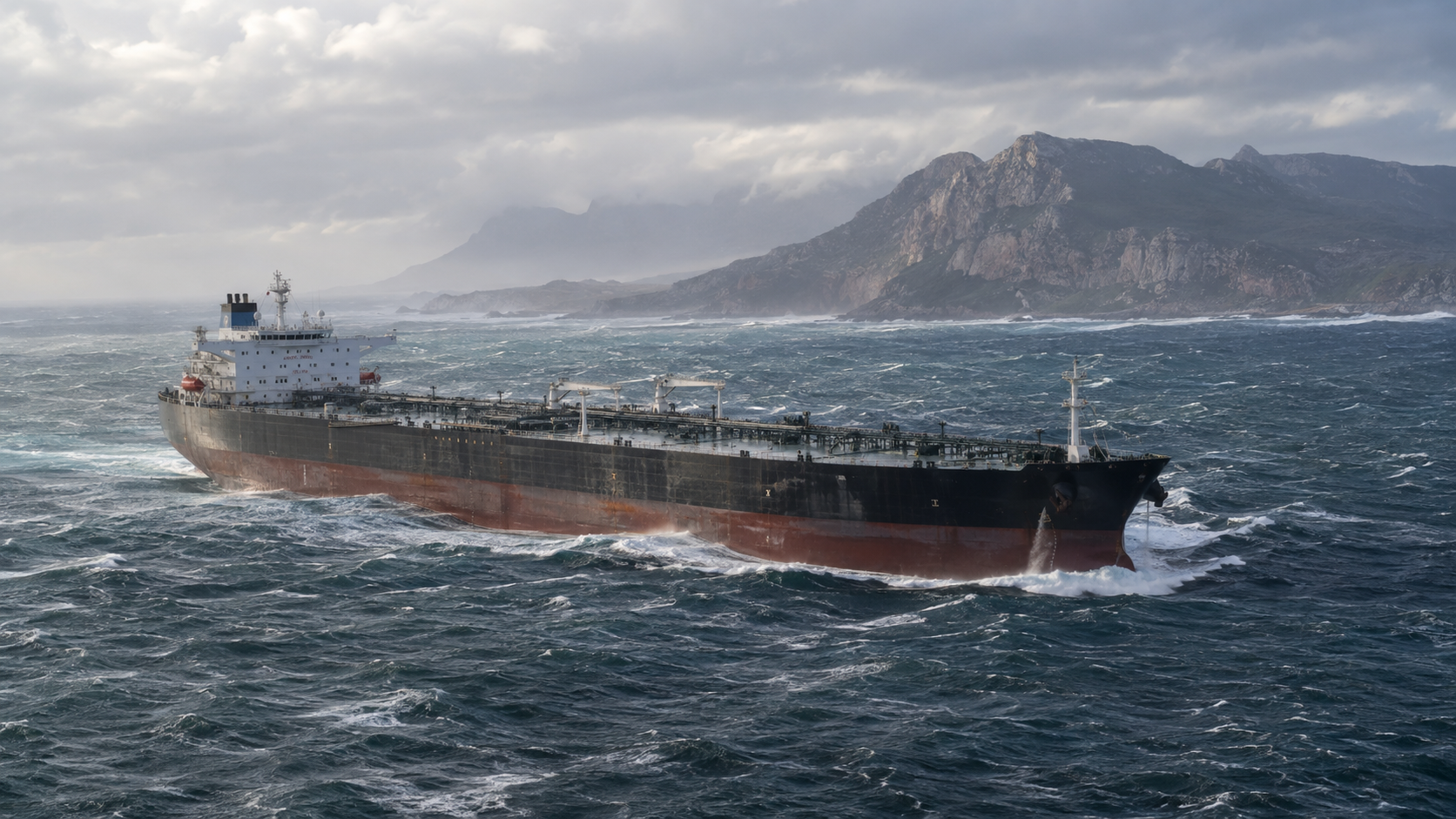
Bab el-Mandeb traffic has fallen, but ships can reroute around Africa. Hormuz offers no comparable alternative.
A Houthi naval blockade declared against Saudi Arabia on has cut tanker transits through the Bab el-Mandeb Strait by roughly 40%, with vessels broadcasting "Chinese owner" and "armed guard on board" identifiers to avoid being targeted. China has negotiated separate safe passage arrangements for its own shipping.
The U.S. Maritime Administration maintains an active advisory for the Red Sea, Bab el-Mandeb, Gulf of Aden and nearby waters, documenting Houthi attacks on commercial vessels that include two ships sunk with four deaths and a fatal missile strike on a Dutch flagged cargo vessel. A more recent attack on the Egyptian cargo ship Tihamah killed four crew members and two Yemeni rescue workers, the first fatalities since the current U.S. Iran conflict began.
With Houthi forces now striking Saudi Arabia's own energy infrastructure as well, Bab el-Mandeb is increasingly being framed as a second Hormuz style chokepoint for global oil. That framing does not fully hold up.
A costly detour remains available
The key distinction: unlike Hormuz, shippers can reroute around the Cape of Good Hope if they need to. That option does not exist for vessels transiting Hormuz, which has no practical detour. The difference matters because it changes the kind of cost investors should expect. A true chokepoint closure removes supply from the market outright. A reroutable corridor instead raises freight rates, insurance premiums and transit times, a real but categorically smaller drag than a physical supply loss.
Brent's move toward $98 to $100 a barrel this week is the best available proxy for the combined pressure, but it reflects the Hormuz standoff and this week's direct strikes on Saudi facilities together, not Bab el-Mandeb risk on its own.
The Houthi Red Sea campaign itself is not new; attacks stretch back well over a year. What's changed is the intensity, and the fresh attention that this week's Saudi facility strikes have brought to a corridor already under strain.
For investors, the practical distinction is between two separate channels: the outright supply risk building around Hormuz and Saudi production, and the freight cost risk building around a reroutable Red Sea corridor. Only one of them behaves like a true chokepoint.