Brent was down about $2.20 by early Monday after a weekend of attacks and threats, even as Iran's Revolutionary Guard claimed a third tanker had struck a mine since Friday. Heating oil fell further than crude, which is not what a market short of refined fuel is supposed to do.
The weekend delivered almost every kind of headline that usually lifts oil. The first trade went the other way.
Brent crude traded at $107.63 a barrel at about 4:45 a.m. Eastern on Monday, down $2.23, or 2.0%, from Friday's settlement of $109.86, the highest close since May 19. The decline held through the Asian session and into the European open; by about 5:30 a.m. it had narrowed to about 1.2%, near $108.50. Heating oil futures, a benchmark for diesel, were down about 2.8% at the 4:45 a.m. mark and about 2% at 5:30, steeper than crude both times. U.S. stock futures rose and Treasury yields fell over the same hours.
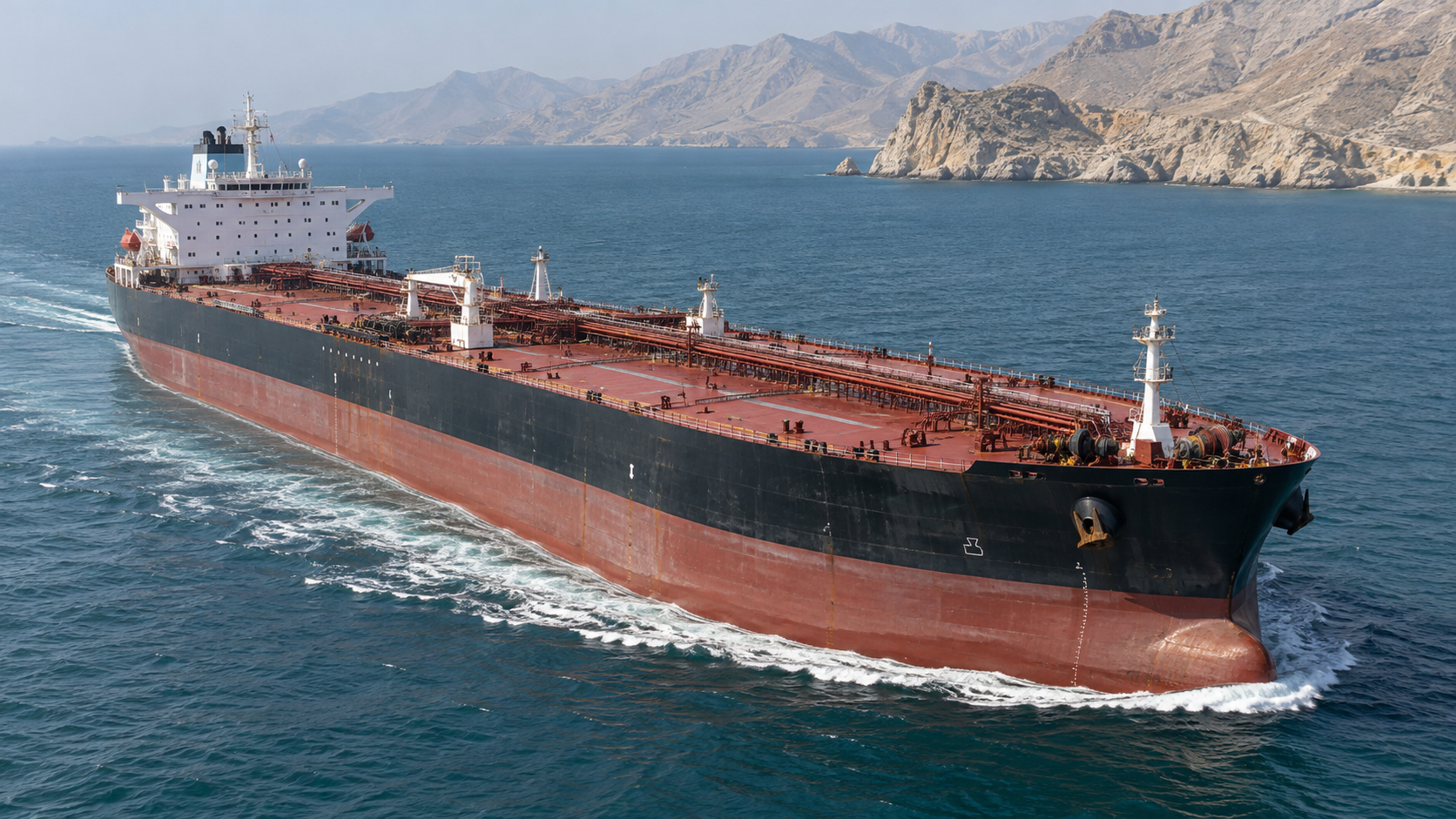
The selling came against a fresh claim from Iran's Islamic Revolutionary Guard Corps, which said on Monday that a tanker sailing what it called an "unauthorized southern route" struck a naval mine south of the Strait of Hormuz, causing an explosion and an engine-room fire. It was the third such claim since Friday. The United Kingdom Maritime Trade Operations center, which logs attacks on merchant ships, had no entry matching any of the three. Its most recent incident, on Sunday, was a tug struck by two projectiles off Khor Fakkan on the UAE's Gulf of Oman coast.
The number behind the move
Energy Secretary Chris Wright said in a television interview that oil flows from the Persian Gulf have recovered to about 80% of their pre-war level, a figure the Energy Department has not published. He added that refined product shipments remain constrained and that he is talking with European allies about releasing diesel stockpiles. The International Energy Agency's own estimate is lower: Gulf exports averaged about 13.9 million barrels a day in September, or around three-quarters of pre-war volumes.
Crude is only half of the picture. The agency put Gulf product flows at about half their pre-war level, and inventories remain well below normal. That gap is the core of the bullish case: even if tankers carrying crude are moving, the diesel and jet fuel that economies actually burn are not.
What Monday's trade says
If products were the binding constraint, diesel would be expected to hold up better than crude on a day of selling. It did the opposite. At the 4:45 a.m. mark, heating oil was down about 2.8% to Brent's 2%. That suggests the market on Monday was trimming its overall war premium rather than pricing a change in the physical balance.
Several things happened at once, and the price does not say which mattered. The U.S. waiver of new Russia sanctions, and the separate lifting of the embargo on Russian diesel, were in the background. Wright's comments arrived over the weekend. Equity futures were rebounding from Friday's chip-led rout. China's third-quarter growth beat forecasts, which on its own would argue for higher, not lower, oil demand.
How it reaches prices
The chain runs from Gulf flows and attack risk to crude and product prices, then to diesel and jet costs for airlines, truckers and chemical makers, then to headline inflation and expectations for Federal Reserve policy ahead of the Oct. 27 to 28 meeting. A lower oil price eases each link. A renewed spike in diesel would reverse them faster than crude alone.
Market implications
One reading is that physical supply is normalizing and the premium is decaying. Gulf crude flows are near four-fifths of normal by Wright's account and about three-quarters by the IEA's September estimate, September exports rebounded, none of the weekend's mine claims has been independently logged, and the market sold on its first chance after a weekend of threats.
A second reading is that the premium is pausing while supply security deteriorates. Iran is warning ships off a southern route, attacks have been logged on three coasts in recent days, the Houthis have threatened Saudi Aramco's facilities, and product flows remain at about half of normal with inventories depleted.
The first reading needs diesel to stay calm. The second needs another incident that the maritime authorities confirm.
What to watch
Brent and diesel settlements on Monday; any UKMTO entry matching the Revolutionary Guard's claims; Energy Department data on Gulf flows; European decisions on diesel stockpile releases; and Wednesday's U.S. inventory report. A confirmed mine strike on a laden tanker would test whether Monday's calm was conviction or relief.