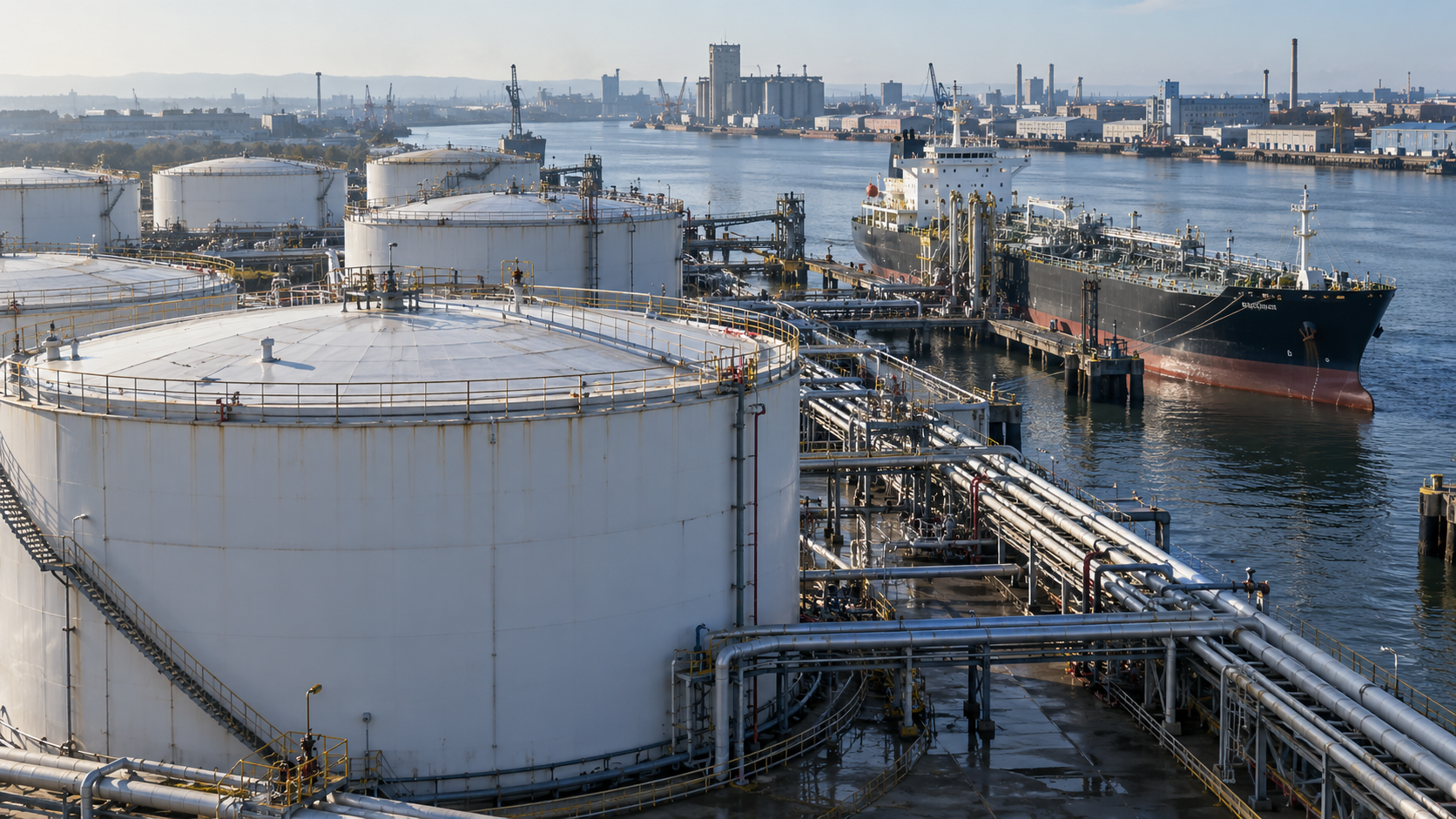
The administration is pressing France and Germany to release emergency stocks, with the threat of a U.S. export ban behind the request.
The White House's long-running debate over diesel exports has turned outward.
The Trump administration has instructed Berlin and Paris to tap their emergency diesel stockpiles or face a possible ban on U.S. diesel exports, according to three people close to the discussions. Neither European government has commented publicly.
The pressure fits a week of signals from the president himself. Speaking Wednesday, Trump said he holds conversations about banning diesel exports "every day," while acknowledging that a ban would "have a negative impact on gasoline." Energy Secretary Chris Wright said the administration expected "announcements soon from Europe about new supplies."
Why Europe is the pressure point
The leverage is real because American refiners ship a large share of what they make. U.S. diesel exports are equal to about 40% of domestic consumption, meaning roughly two of every five gallons the country burns has a twin that leaves the country. With pump prices near $6.50 a gallon in late September, keeping some of those barrels at home is politically tempting.
Europe has fewer alternatives than it once did. Russia has extended its ban on diesel exports by producers through , removing a traditional supplier from the market. A U.S. ban layered on top would leave European buyers competing for a shrinking pool of cargoes.
The White House is also weighing a domestic option: wider sales of red-dyed diesel, the untaxed fuel normally reserved for farms and off-road equipment. A White House official said no final decision has been made.
Leverage or warning?
There are two ways to read the ultimatum. In the first, it is a bargaining chip that makes an actual ban less likely. If France and Germany release stocks, Europe gets near-term supply, distillate margins ease and Washington never has to act.
In the second, tying exports publicly to European reserve decisions makes a ban more credible, not less. That reading draws support from mixed messages inside the administration: Wright said only last week that an export ban "would not work," and now he is forecasting European announcements that would make one unnecessary.
Futures offered little verdict. Heating oil eased on Thursday, a sign traders are not yet pricing a sudden squeeze in the U.S. market.
What to watch
The observable that separates the two readings is a European release announcement. A coordinated drawdown by France and Germany, or a statement from the International Energy Agency, would point to the leverage interpretation and a cooling of transatlantic product spreads. Silence from Paris and Berlin, combined with more White House talk about a ban, would raise the odds that the threat becomes policy. Russia's expiry date is the next fixed marker on the calendar.