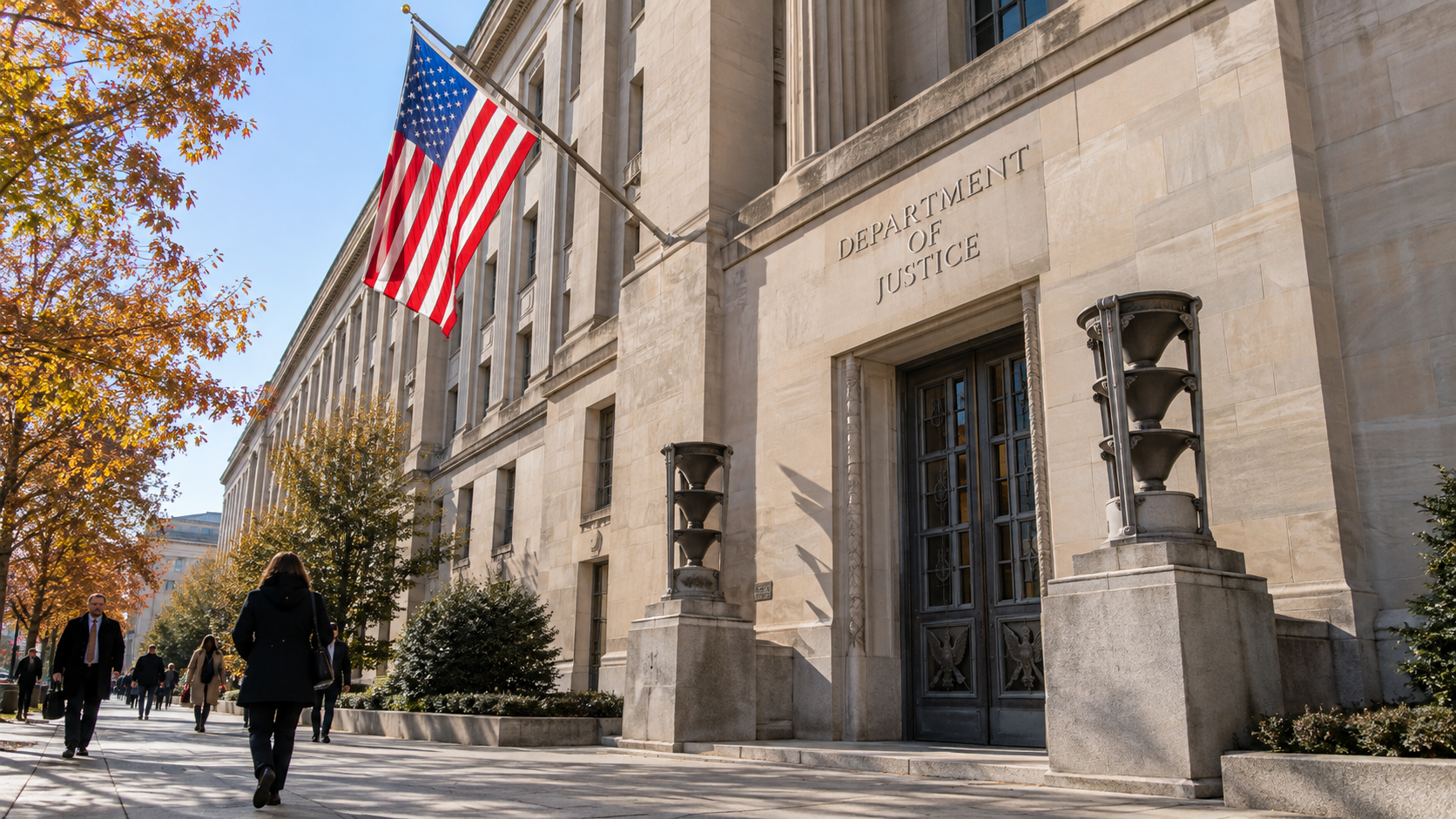
The transfers include bitcoin linked to the 2016 Bitfinex hack and assets from Alameda Research seizures. No sale has been confirmed, and court orders direct some of the coins back to the exchange that was robbed.
| BTC, COIN, IBIT
Every time a government wallet moves bitcoin to an exchange address, traders ask the same question: is Washington selling? This time, the source of the coins points to a different answer for much of the bitcoin.
About $470 million of bitcoin, wrapped bitcoin and the stablecoin USDT moved from U.S. government wallets to addresses that blockchain analytics firms identify as likely belonging to Coinbase Prime, the institutional arm that has served as custodian for the U.S. Marshals Service since July 2024. The assets are linked to the 2016 hack of the Bitfinex exchange and to seizures connected to Alameda Research, the trading firm tied to FTX.
Earlier transfers this week included about 834 bitcoin, of which roughly 569 came from the HashFlare fraud case and 265 from the Bitfinex hack, along with 40,285 BNB tokens linked to Alameda.
Where the coins are going
The Bitfinex bitcoin is subject to a court-ordered return to the exchange. The HashFlare assets are tied to compensation for victims of that fraud. For those pools, the most likely explanation for moving coins to a custodian is restitution, not a market sale.
The U.S. government holds about 319,086 bitcoin, according to on-chain tallies. Two large blocks are not yet final government property: about 94,643 bitcoin subject to the Bitfinex return order and about 127,271 bitcoin in a civil forfeiture case tied to the LuBian mining pool. Together those total about 222,000 bitcoin, roughly 70% of the government's holdings.
What is less clear
The USDT, BNB and wrapped bitcoin portions are different. They are not bitcoin, so they fall outside the policy that restricts sales from the government's bitcoin reserve, and the government has not said what it plans to do with them.
No agency has issued a statement on the transfers. Tallies from different trackers vary because they cover different windows and labels.
The market
The transfers landed on a weak tape. Bitcoin traded near $83,000 early Thursday, down about 34% from its high for the year, and U.S. spot bitcoin funds lost about $485 million on Wednesday. Supply arriving at a trading venue during a decline draws attention whatever its purpose.
Restitution Versus Potential Selling
One reading is that the movements are mostly custody and restitution. Bitfinex and HashFlare coins are owed to victims, and the government's bitcoin reserve policy restricts sales of forfeited bitcoin.
Another reading is that the non-bitcoin assets and any bitcoin outside the restitution pools could be liquidated, and that even restitution coins returned to an exchange or victims may be sold by their new owners.
What would resolve it
A statement from the Marshals Service or the Justice Department, court filings showing distribution to Bitfinex or HashFlare victims, or further on-chain movement from Coinbase Prime addresses to exchanges would show whether any of the coins reach the market.