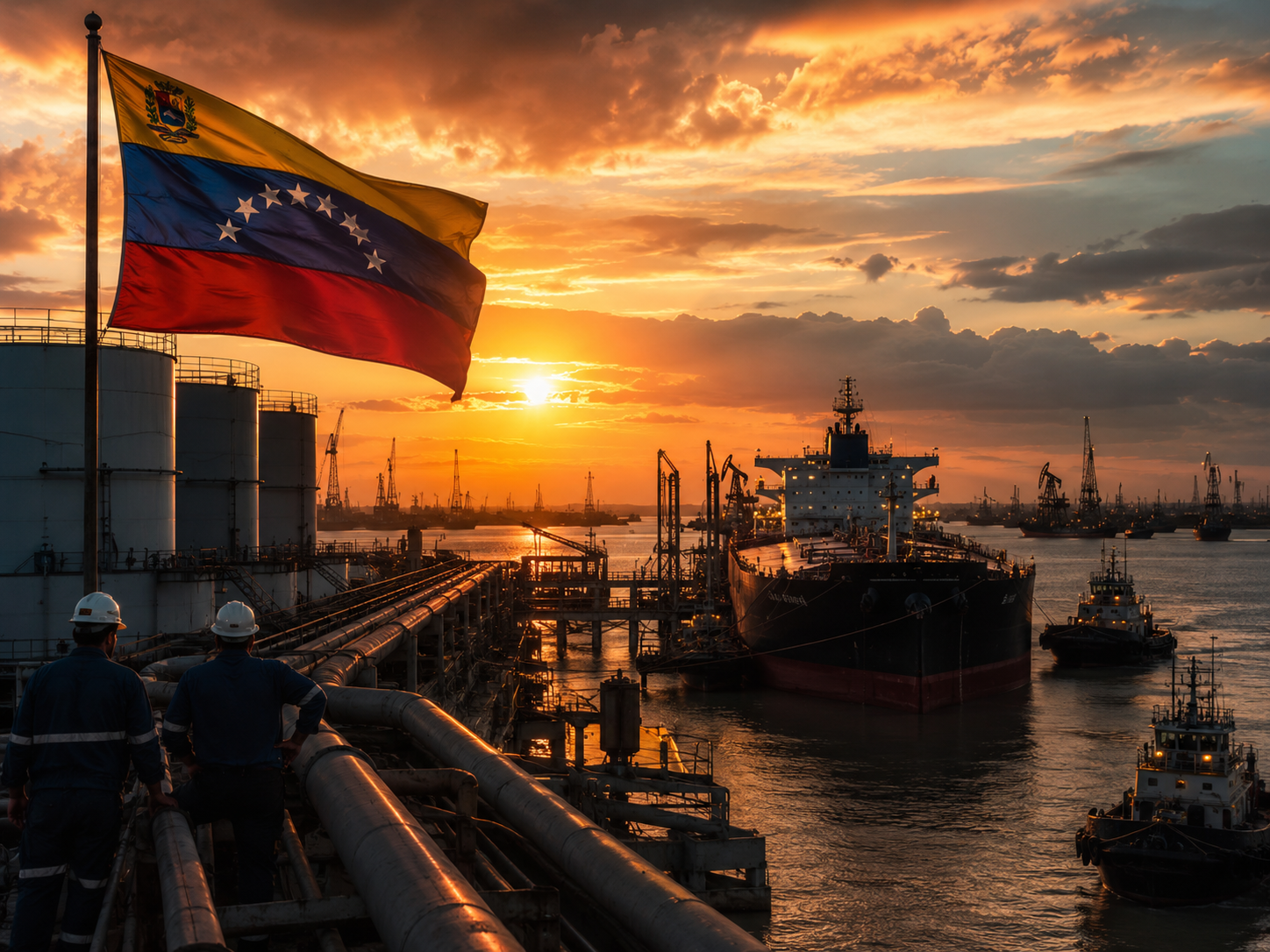
A reserve-access arrangement that once looked like a straightforward win for U.S. energy security is now drawing pushback from incumbent oil producers, and the president has opened the door to a bigger question: could Venezuela leave OPEC altogether?
The Trump administration's oil deal with Venezuela, an arrangement giving U.S. buyers access to an estimated 65 billion barrels of reserves and supporting efforts to refill the Strategic Petroleum Reserve, is drawing concern from other major oil-producing nations. It is the first indication that the deal's structure or scale is unsettling incumbent producers rather than simply reshaping U.S. supply relationships.
Asked separately whether Venezuela might leave OPEC, President Trump did not rule it out, saying only, "It's up to them." The comment, however offhand, opens a new line of questioning for a cartel that has already faced years of internal strain over production quotas and market share.
The deal's basic contours have been public for weeks, but the emerging producer pushback and the OPEC-exit question mark a genuine shift in the story's stakes. Until now, coverage has centered on whether the deal would happen and how much crude it would ultimately bring to market. The new question is how OPEC and its members respond if a large new source of Venezuelan supply begins reaching U.S. buyers outside the cartel's usual coordination.
The specific producers voicing concern, and the precise nature of their objections, have not been detailed publicly. Whether Venezuela has taken any concrete step toward leaving OPEC, or whether Trump's comment reflects an actual policy conversation rather than an offhand response to a reporter's question, remains unclear.
For oil markets, the deal cuts against the risk premium building from the parallel Strait of Hormuz escalation: a large new supply source from Venezuela would, in theory, offset some of the upward pressure on prices coming from Middle East tension. How that tension between new supply and new geopolitical risk resolves will shape crude's trajectory into the fall, as will any formal response from OPEC's remaining members to the prospect of a member state stepping outside the group's coordinated production strategy.