A new agreement announced by President Trump relieves months of pressure that had made American investors and Greenlandic businesses wary of each other, even though it stops well short of the territorial control Trump originally sought.
President Trump announced a new security agreement covering Greenland on September 19, an arrangement expected to be signed this week that eases months of tension created by his earlier push to bring the semiautonomous Danish territory under American control. The new deal builds on an existing 1951 treaty, amended in 2004, that already gives the United States the right to deploy troops and build bases on the island, and it adds a provision ensuring the arrangement remains in effect even if Greenland were to become independent from Denmark or if NATO were to collapse. It stops well short of Trump's earlier stated ambition of territorial control over the island.
Trump's threats earlier in his term to annex Greenland by force triggered what Danish officials described as their country's worst foreign-policy crisis since World War II, angered NATO allies broadly, and led Trump to threaten tariffs against countries that opposed his territorial ambitions. That period of uncertainty made both American investors and Greenlandic businesses cautious about working with each other, according to people in both business communities. Naaja Nathanielsen, a Greenlandic lawmaker and former minister for business and mineral resources, said the deal, if finalized, would benefit all parties by removing insecurity that has "plagued" the business community for nearly two years, adding that American investment interest in Greenland has been rising and that the territory wants to build on it.
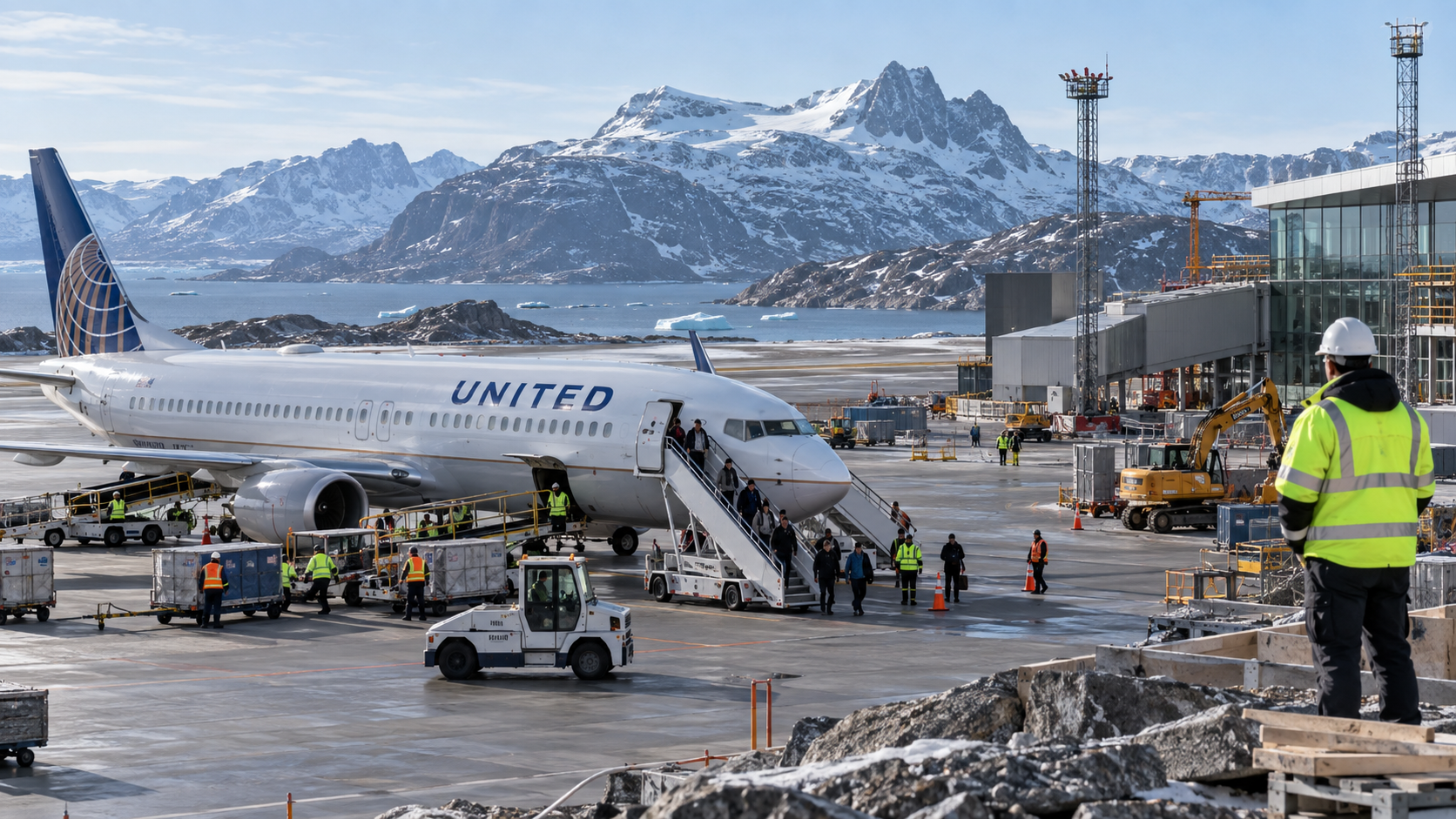
The commercial case for the deal is strongest outside of Greenland's most capital-intensive sectors. Mining and oil drilling remain hampered by harsh Arctic conditions, restrictions on foreign ownership of infrastructure, energy facilities and real estate, and environmental and legal regulations that a security deal does not by itself remove. Christian Keldsen, managing director of the Greenland Business Association, said those structural hindrances persist regardless of the new agreement, but that American companies can build on interest that already exists in areas such as tourism, which has grown significantly since Trump's first term, including a seasonal direct route United Airlines opened between Newark and Nuuk in 2025. Larry Swets, chair of Greenland Energy, which plans to spend $60 million drilling for oil in the island's east, said the deal "removes a significant geopolitical uncertainty" and should help "unlock the private investment Greenland needs to develop its resources, infrastructure and economy" by lowering the perceived risk of committing capital.
Some of the individual investors most closely tied to the earlier controversy see the public deal as a kind of vindication. Drew Horn, a former Trump administration official who says he is developing a rare-earth venture and a hydropowered AI data center on the island, was accused in Danish media of participating in a covert influence campaign, allegations he has called "fantastical." Horn, who is also founder and chief executive of the financial advisory firm GreenMet, said he worked behind the scenes to help shape the coming agreement and that its public announcement removes the "boogeyman" that had made his own investment activity a target of suspicion.
Greenland's underlying economic challenge remains significant regardless of the deal's diplomatic value. The territory has a population of just 56,000, relies on more than $1 billion in annual subsidies from Copenhagen and the European Union, and its economy centers on fishing and a recent wave of airport construction, even as untapped mineral reserves sit buried under the ice, difficult and expensive to extract. The negotiations reportedly also touched on rebuilding or reopening three Cold War-era U.S. base sites on the island, which Keldsen said would likely generate real economic opportunities for Greenlandic subcontractors in construction, catering and other services, much as American military bases do in other parts of the world where they operate.