New sanctions and a fresh round of on-record statements mark the six-month anniversary of the Iran conflict, even as Persian Gulf crude flows remain far below their prewar pace.
The war that began on , when an Israeli airstrike killed Iran's Supreme Leader and Iran's Assembly of Experts named his son as successor within days, has now run six months. The past week brought both new economic pressure and another round of public statements about whether the conflict's central chokepoint remains functionally open.
The U.S. Treasury Department last week designated the UAE branches of Banque Misr, an Egyptian state-linked bank, as part of "Operation Economic Outcast," a sanctions push aimed at Iran's financial lifelines and sanctions-evasion network. The same action named an individual described as a Bank Melli Dubai branch manager and a Hong Kong-registered trading company. Egypt's government confirmed the sanctions apply only to Banque Misr's UAE branches, not the bank's operations elsewhere.
Asked about the Strait of Hormuz, Trump said flatly, "That sucker is open," rejecting any suggestion that the passage has been closed despite six months of hostilities. Israeli Prime Minister Benjamin Netanyahu said separately that he had advised Trump to "tighten the siege" on Iran ahead of the new sanctions round. Iran's government responded by accusing Washington of "state terrorism" and urging other governments not to cooperate with the pressure campaign.
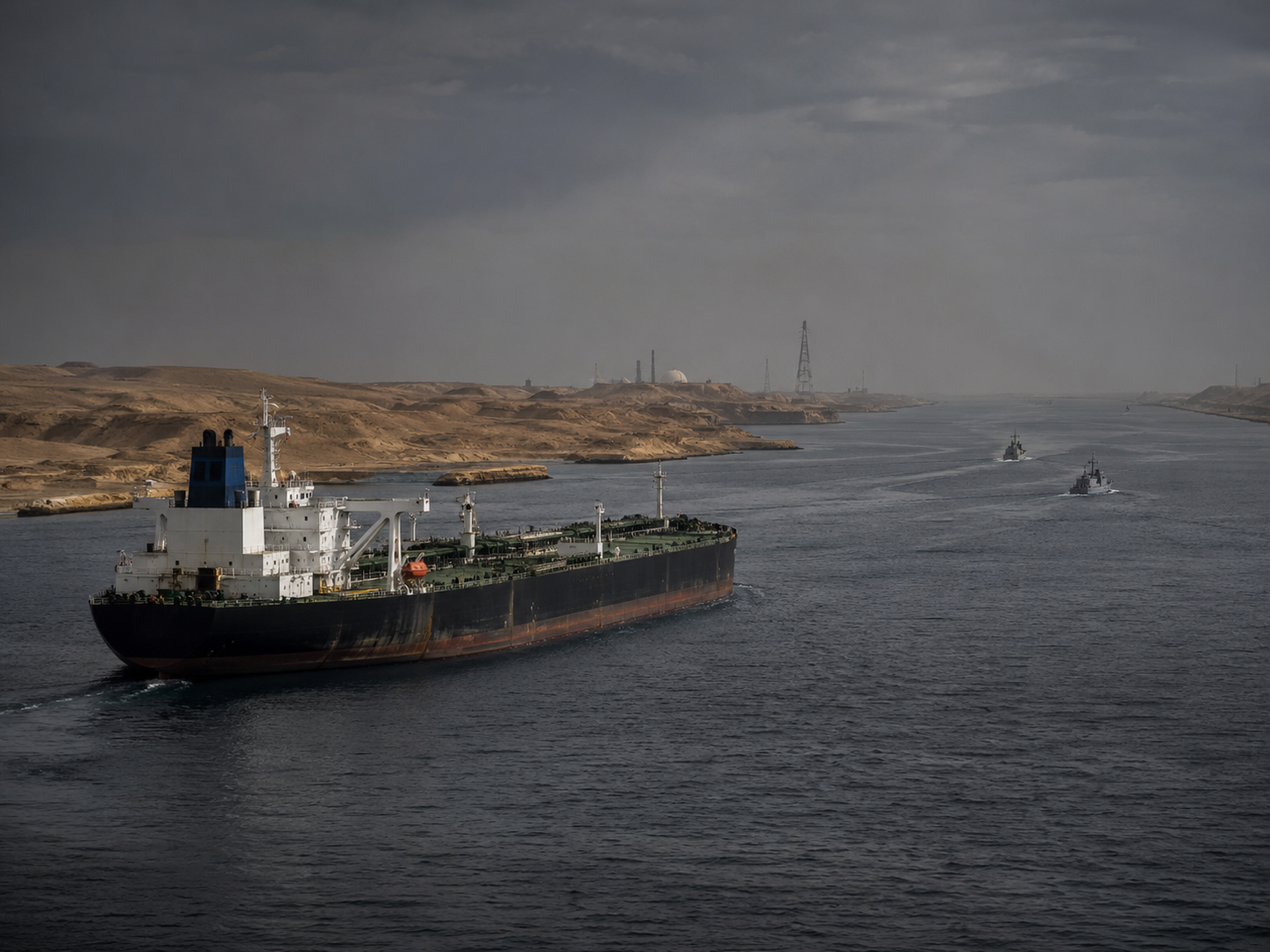
The Strait has not been physically closed to traffic; ships continue to pass through it. But Persian Gulf oil movement is running at roughly 40 percent of its prewar pace, six months into the conflict, with shipping lanes still constrained. U.S. Central Command has redirected more than 80 vessels away from the area since the war began, and the broader toll includes more than 70 attacks on commercial shipping, close to 20 seafarers killed, and thousands of sailors reported stranded across affected vessels.
For energy markets, the distinction matters. A chokepoint that is technically passable but operating at less than half its normal throughput still represents a meaningful constraint on global crude supply, tanker insurance costs, and the risk premium embedded in oil benchmarks. Calling the Strait "open" answers a narrower question than the one that determines actual barrels moved and freight costs paid.
The next test will come from vessel-tracking and flow data. With the financial-pressure campaign against Iran intensifying and six months of reduced shipping activity already on the record, investors exposed to energy transport, tanker insurance, and crude should treat "open" as a description of legal passage, not normal market function.