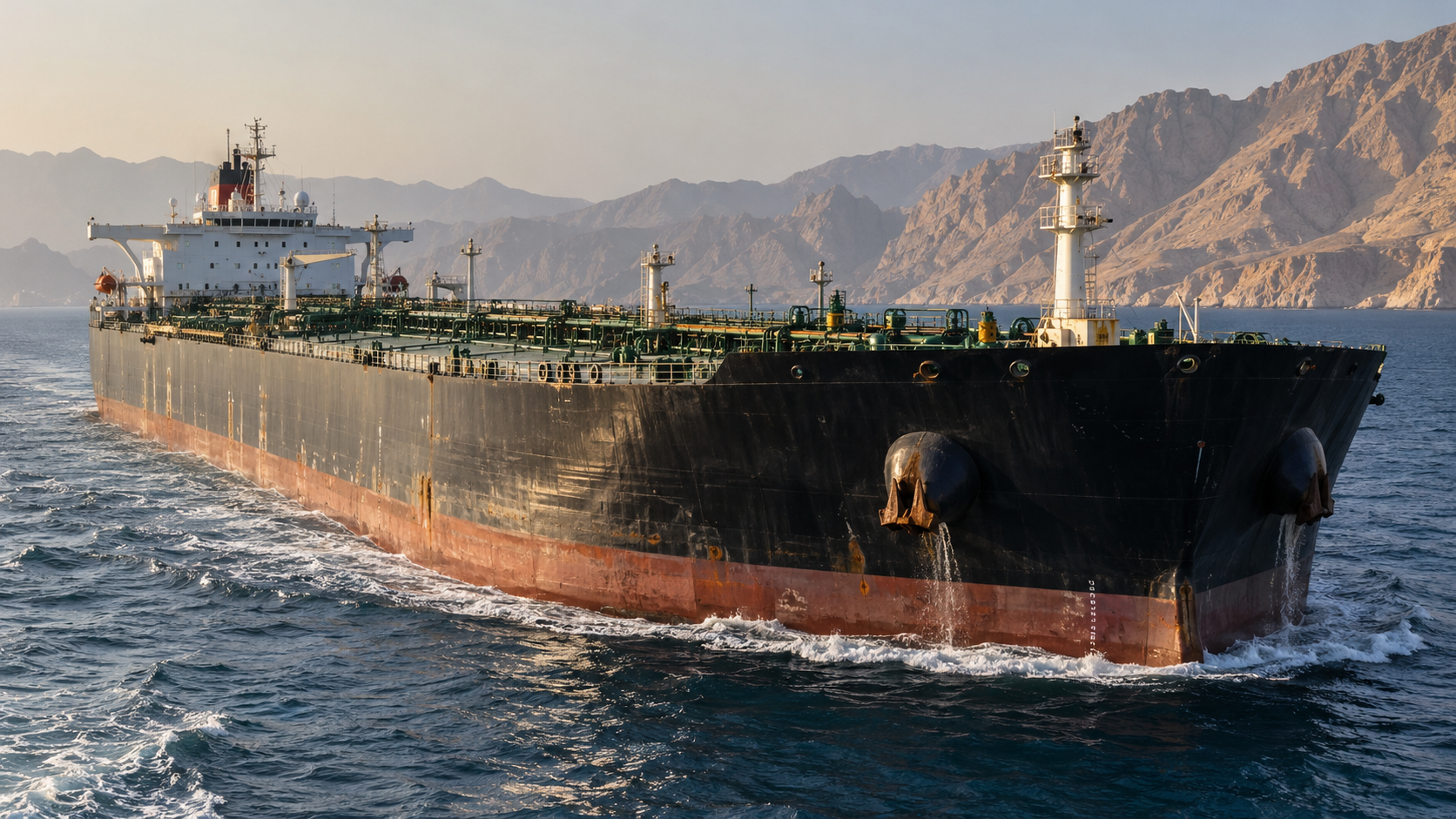
Brent reached $105.91 before the president's post that the U.S. would not attack Iran ahead of the Nov 3, 2026 vote. In early afternoon it still traded about 4% higher, with heating oil up more than crude.
The president took one scenario off the table on Thursday. Most of oil's gain stayed.
Brent crude climbed as high as $105.91 a barrel on Thursday, about 5.7% above Wednesday's $100.20 settlement. At 12:17 p.m. Eastern, President Trump posted that the United States would hold off on any attack. "We are having productive discussions with the Islamic Republic of Iran," he wrote, adding that "while the Blockade will remain in full force and effect," the U.S. "will not be attacking Iran at any time prior to the Midterm Elections to be held in the United States on Nov 3, 2026."
By 1:45 p.m., Brent was at $104.30, still up 4.1% on the day. U.S. crude traded at $91.62, up 3.8%, after touching $93.20. Of Brent's peak gain of $5.71, about $4.10, or roughly 72%, remained.
What the post covered
The statement addressed one specific scenario: a U.S. strike before the midterms. Reports earlier this week said the White House had asked for strike options that could be used before the vote, and that Central Command had been told to finish preparations for resuming major operations. The post sets a date on U.S. restraint. It says nothing about action after Nov 3, 2026, and it keeps the blockade in place.
The president also wrote that oil was flowing through the Strait of Hormuz "in Record Numbers of Barrels," citing "22 Million Barrels, last night alone." That figure is his own; no independent flow data has been published to confirm it.
Iran's foreign minister, Abbas Araghchi, said Tehran is reviewing U.S. proposals. "I think we will provide our response within the next few days," he said.
Other supply risks
Several other developments this week sit outside the scope of a pre-election pledge. A tanker was struck by multiple projectiles north of Qatar, with casualties, according to Britain's maritime trade agency. Houthi attacks have damaged two Saudi airports. Hurricane Isaias, now carrying 85 mph winds, is forecast to make landfall on the northern Gulf Coast late Friday or early Saturday, and about a quarter of Gulf of Mexico oil output was already shut in as of Wednesday.
Moves across energy contracts were uneven. Diesel prices, tracked by heating oil futures, outpaced both crude benchmarks with a gain of about 5.1%. Natural gas fell about 1.7%. The S&P 500 energy sector gained about 3% while the broader index fell.
Earlier precedent
The last comparable de-escalation headline came in late July, when a pause in strikes was announced. Brent fell 6.7% in a single session then. Thursday's pullback from the high was about 1.5%, and the contract remained well above where it started the day.
Two readings
One reading holds that what remains is a physical premium that a political statement cannot remove: attacks on shipping inside the Gulf, a hurricane bearing down on offshore output and refineries, a blockade that stays, and diesel tightness that predates all of it.
A second reading holds that the market has not finished repricing. The post removes the nearest escalation window, the president calls the talks productive, Tehran says an answer is days away, and storm shut-ins usually reverse within days of landfall.
The event market tied most closely to the conflict barely moved. On Polymarket, the price of a contract paying out if the blockade is lifted before November sat at 20.5 cents in early afternoon, having ranged between 17.5 and 21.5 cents during the day.
Next markers
Thursday's settlement will show how much of the afternoon level holds into the close. Isaias' landfall will test the storm component, and Iran's reply will test the diplomatic one. The September consumer price index on Oct 14, 2026 will be the first inflation reading to absorb this month's move.