Washington turns down a ceasefire proposal, targets Iranian arms buyers and offers up to $15 million for financial intelligence, while Tehran appeals to American voters.
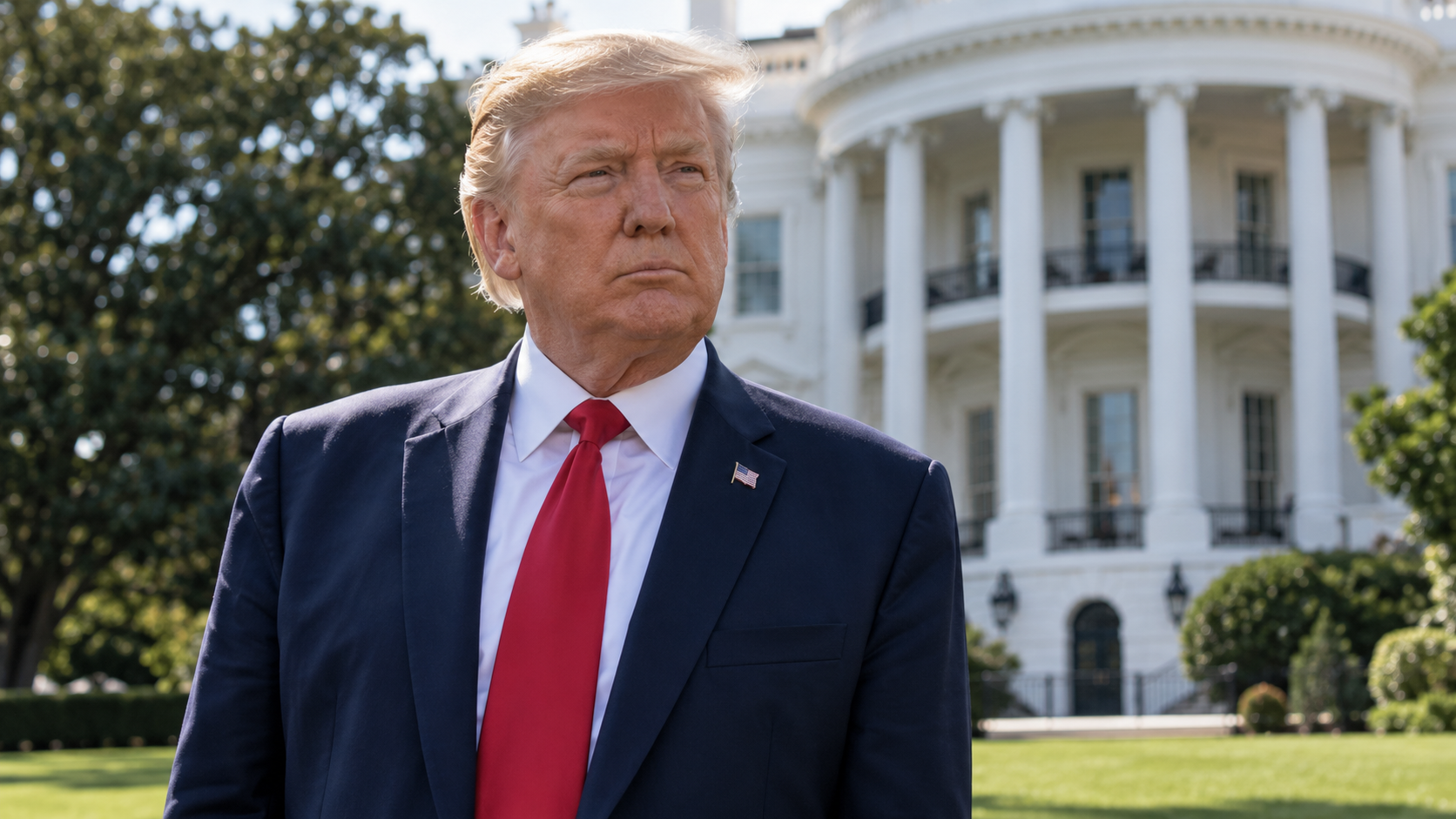
Tehran offered to reopen the Strait of Hormuz as part of a truce. The White House said no. President Trump called the offer "not acceptable" and claimed the United States already holds "total control of the Hormuz Strait."
The rejection came alongside a fresh round of economic pressure. Under a campaign it calls "Operation Economic Outcast," the State Department blacklisted companies it says help Iran buy weapons, and it is dangling payouts as large as $15 million for tips that expose how the Islamic Revolutionary Guard Corps moves its money.
Seven months of war, three months of failed talks
The conflict dates to , when Trump announced major combat operations against Iran and joint U.S.-Israeli strikes hit military, government and infrastructure targets. Negotiations that began in June have repeatedly stalled as the two sides continued to trade strikes.
Tehran's response this week has turned unusually political. As U.S. forces pulled out of Iraq, the IRGC addressed American voters directly, telling them to use the midterms to remove lawmakers who back the administration. Iran's Foreign Ministry separately condemned Israeli Prime Minister Benjamin Netanyahu's visit to the United Arab Emirates as "very dangerous."
Why markets are not panicking
The paradox of the week is that diplomacy failed and oil fell anyway. Brent has dropped toward $96 from around $103, because physical flows through Hormuz are running at roughly three quarters of prewar levels and Saudi Arabia has reopened its Red Sea bypass.
That gap between the military picture and the price is the key observation for investors. The market has stopped treating each rejected proposal as a new shock and is instead trading shipping data. The risk in that stance is asymmetric: the sanctions campaign and the rejection suggest the conflict is lengthening, not ending, and a war that lasts longer gives more opportunities for a disruption the tanker data does not yet show.
What to watch
A formal U.S. response to Iran's proposal, the scope and targets of the new sanctions designations, and whether Tehran's campaign messaging aimed at U.S. voters is followed by any change on the ground before November. For energy markets, the daily count of tankers through the strait remains the scoreboard.