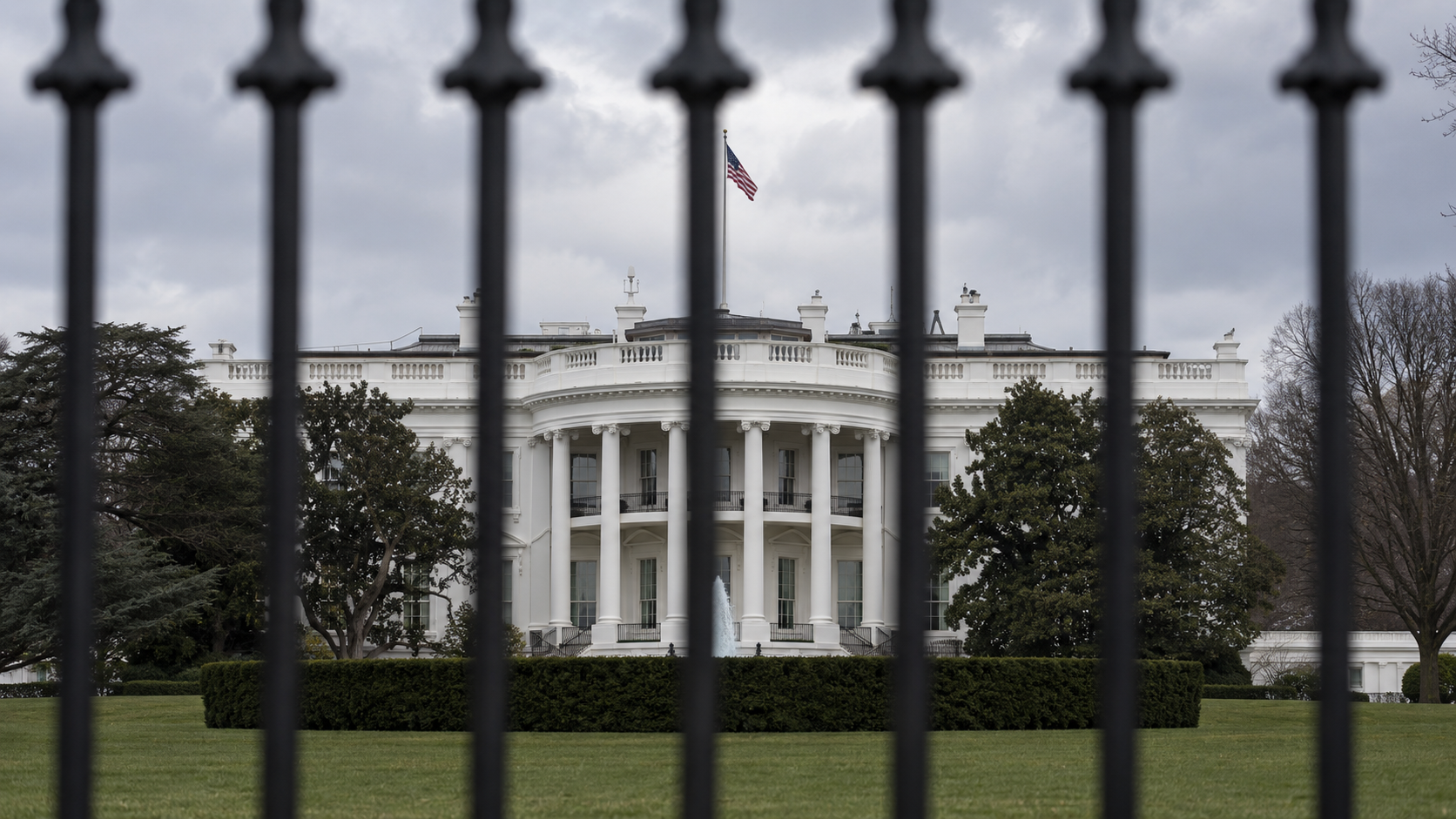
The President and Vice President are publicly pressing for lower rates two days before a decision that markets expect to go the other way, and the August jobs report gives the Fed chair cover to ignore them.
President Trump has spent the run-up to Wednesday's Federal Reserve decision publicly demanding the opposite of what the market expects. He has posted on Truth Social telling the Fed to lower interest rates, and told Chair Kevin Warsh and his colleagues to be patriots for a change. Vice President JD Vance has said the administration believes the Fed should be lowering rates.
Trump's public position has not been entirely consistent. He has separately said he does not know whether the Fed will raise rates, while adding that the United States should be paying the lowest interest rate in the world. Read together, the remarks are a demand for lower rates paired with an acknowledgment that he does not control the outcome.
Warsh has given no ground. At Jackson Hole he said the Fed's predominant focus right now should be on prices, which is about as direct a statement of the hawkish case as a chair makes in public.
The data is on the chair's side
August payrolls gave him more room. The economy added 162,000 jobs, against a trailing 12-month average of 31,000. Unemployment held at 4.1%. Revisions to the prior two months added a combined 55,000.
That is not a labor market asking for help. Combined with August core inflation running at 0.3% month over month against 0.2% expected, the data assembles into a straightforward case for tightening rather than easing, which means the political pressure is pushing against both the market's pricing and the committee's own indicators.
What is actually at stake Wednesday
The rate decision is the smaller question. Markets have priced a hike at roughly 80% or better across event-contract venues, and higher in rate futures. If the Fed delivers it, the substantive outcome is that a chair raised rates through an explicit public demand from the President that he cut them.
That is the part worth watching in the statement and the press conference. Not whether the Fed moves, but how much of the reasoning it puts on the record, because a decision taken under open political pressure invites the question of whether the explanation was written for the data or for the audience.
The dollar is already voting
The dollar index at 99.46, up 0.37%, is consistent with a market pricing a hawkish outcome. One reading attributes part of the move to Trump's more neutral framing removing a source of policy-credibility risk that had been weighing on the currency. That interpretation is plausible and unproven, and it competes directly with the simpler explanation that an 80% hike probability moves a currency on its own.