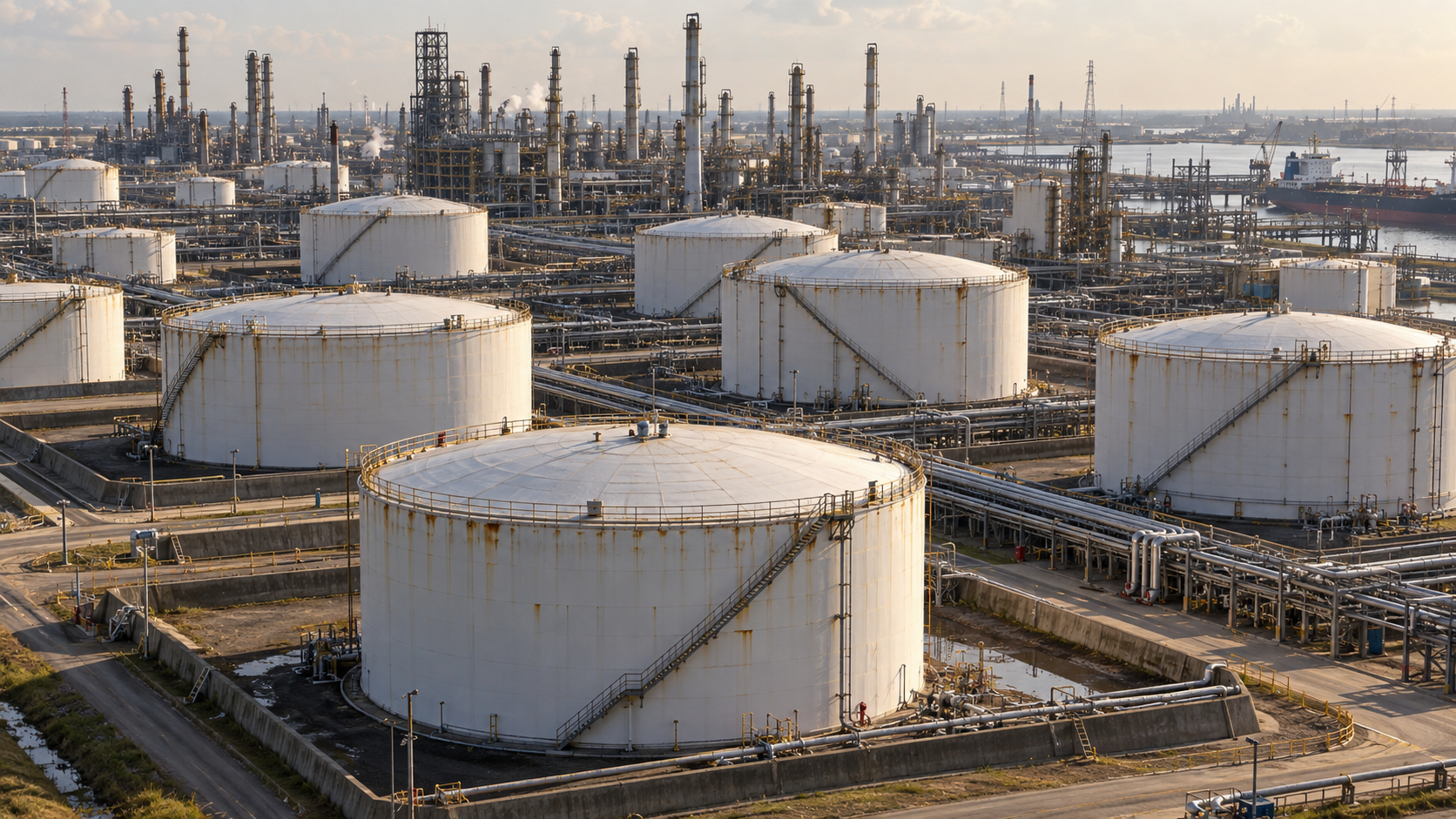
Trump said on Sunday he is weighing the ban "very seriously," a week after calling for one and days after his energy secretary played it down. The trade-off he described himself is the one the math turns on.
President Trump has now taken three positions in a week on banning U.S. diesel exports. The one constant is that he has described the cost.
"That can oftentimes lead to a little bit of an increase on gasoline for cars, so we're looking at it very seriously," Trump told a reporter on Sunday at the Presidents Cup golf tournament in Illinois. "We may do it."
On Sept. 22, he said he had "called for" a ban and wanted a decision "fast, one way or the other." Treasury Secretary Scott Bessent said the same day that the administration was examining whether a full or partial ban would work. On Sept. 23, a White House official and Energy Secretary Chris Wright denied that a 90-day ban was being prepared, with Wright describing the internal discussion as "what's the most efficient way to get more diesel into the United States." No decision has been announced.
The price the ban targets
Retail diesel averages about $6.45 a gallon, up roughly 75% from a year ago and just below the record of $6.53 set recently. With midterm elections five weeks away, fuel costs are one of the most visible measures of inflation for voters.
The storage clock
Strategists at Goldman Sachs, led by head of oil research Daan Struyven, have sketched how a ban would work over time. In the first phase, diesel that would have been shipped abroad stays in the U.S. and builds in storage, and gasoline prices ease by about 25 cents a gallon, they estimate. That phase lasts only as long as there is room to store the extra fuel, which they put at nine to 10 weeks, possibly less.
Once tanks fill, the logic reverses. Refiners produce diesel, gasoline and jet fuel together from the same barrels of crude. With diesel prices depressed and nowhere to send the surplus, refiners would cut runs, and gasoline output would fall with diesel. Goldman estimates retail gasoline would then rise about 30 cents a gallon for each additional week the ban stays in place.
Put those figures together and the relief is front-loaded and capped. On Goldman's estimates, roughly two months of savings worth about 25 cents a gallon would be more than offset within about a week of storage filling, and each week after that would add to the cost. A ban imposed in early October would hit the storage limit around early December.
Beyond the U.S.
The effects would travel. Goldman estimates each week of a ban would lift European diesel prices by a little under 2%, though releases from European strategic stocks could offset about half of that. After a ban ends, U.S. diesel prices would likely rise toward international levels, and prices abroad would fall, though not back to where they would have been without the ban. The bank called eventual restrictions on U.S. diesel exports "very plausible."
For refiners such as Valero, Marathon Petroleum and Phillips 66, the second phase is the risk: compressed diesel margins and forced cuts in output.
A formal announcement, including whether any ban is full or partial and how long it lasts, is the next step. Duration is the variable that decides whether the policy lowers pump prices or raises them.