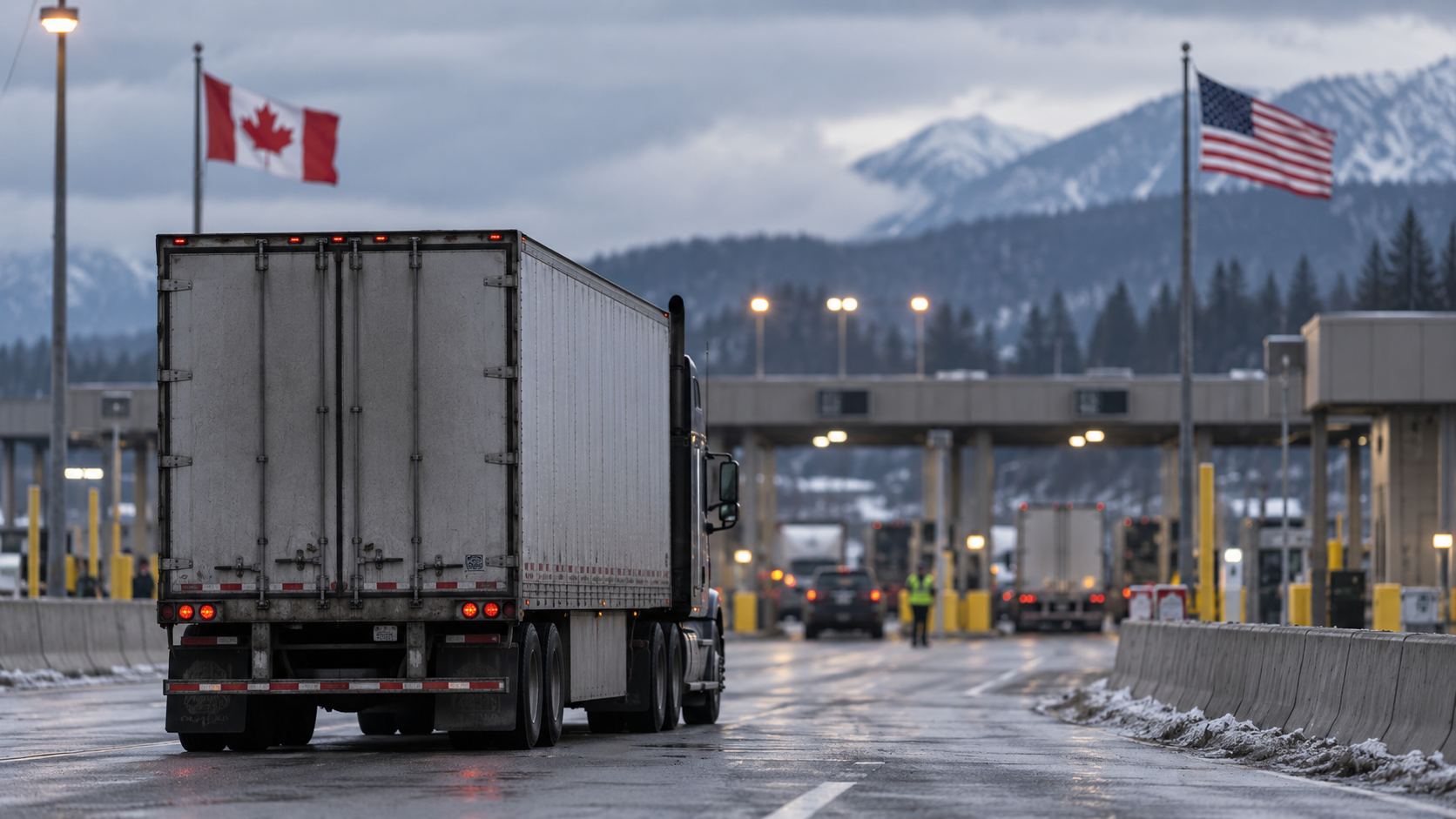
Import bans, a tariff-scope change, a federal-contracting freeze and a threat aimed at one aircraft maker all landed the same week, each with its own deadline.
Canada's retaliatory tariffs, roughly $20 billion in duties of 15% to 50% on close to 700 US products including steel, appliances, agricultural equipment and dairy, took effect at 12:01 a.m. ET on September 8. Canada initially planned to include US lobster in the list but reversed course after pushback from its own businesses.
The US response, detailed in a White House Fact Sheet the same day, was not a single countermeasure. It was five: import bans on Canadian dairy, motorcycles, alcoholic beverages and ATVs, effective September 29, under Section 338 of the Tariff Act of 1930; a modification to existing tariff coverage effective September 15; a directive instructing the General Services Administration to strip Canadian products from federal contracts; and a threat to block Bombardier aircraft purchases unless the company shifts manufacturing to the United States. Treasury Secretary Scott Bessent was quoted telling Canadian Prime Minister Mark Carney to "stop campaigning and start governing."
Republican Senator Jerry Moran separately warned that a Bombardier import restriction could affect workers in his home state of Kansas, a reminder that the retaliatory measures carry domestic political costs of their own.
The economic stakes are disputed but not trivial. The Kiel Institute has estimated that close to 96% of the tariff cost on roughly 550 affected goods is being absorbed by US importers and consumers rather than Canadian exporters, an estimate that has not been independently verified. If that holds even directionally, the costs of this dispute are landing domestically as much as across the border.
What makes this more than a restatement of an already-known trade fight is the calendar it creates. September 15 and September 29 are now hard dates on which specific, named consequences either take effect or don't. Whether that window produces a negotiated step-back or simply confirms the bans as written is the open question for autos, dairy, alcohol distributors and Bombardier specifically.