A financing structure with no clear recent precedent hands the US military equity in 17 oil fields once controlled by Chinese and Russian firms, while Chevron separately commits $7 billion of its own capital to the same country.
The Pentagon's Office of Strategic Capital will take a 35% passive equity stake in North American Blue Energy Partners, the Barbados-based firm developing 17 Venezuelan oil fields under newly granted 100-year concessions. The Wall Street Journal first reported the arrangement, which is structured through "penny warrants," an instrument that confers equity ownership without significant upfront capital, plus preferential rights to buy 20% of the venture's future production at cost. Senior Pentagon and State Department officials reportedly traveled to Venezuela in July to negotiate the terms.
The fields were previously controlled by five Chinese companies and one Russian firm, per Reuters; that detail hasn't been independently confirmed elsewhere. If accurate, it amounts to a direct US displacement of Chinese and Russian energy interests in the Western Hemisphere, layered on top of an already unusual government-finance structure.
Chevron announced its own, separate commitment the same week: more than $7 billion over five years to expand Orinoco Belt operations toward roughly 600,000 barrels a day. Chevron chief executive Mike Wirth called the deal an opportunity to "unlock growth and development," and Energy Secretary Chris Wright described it as "a transformative day."
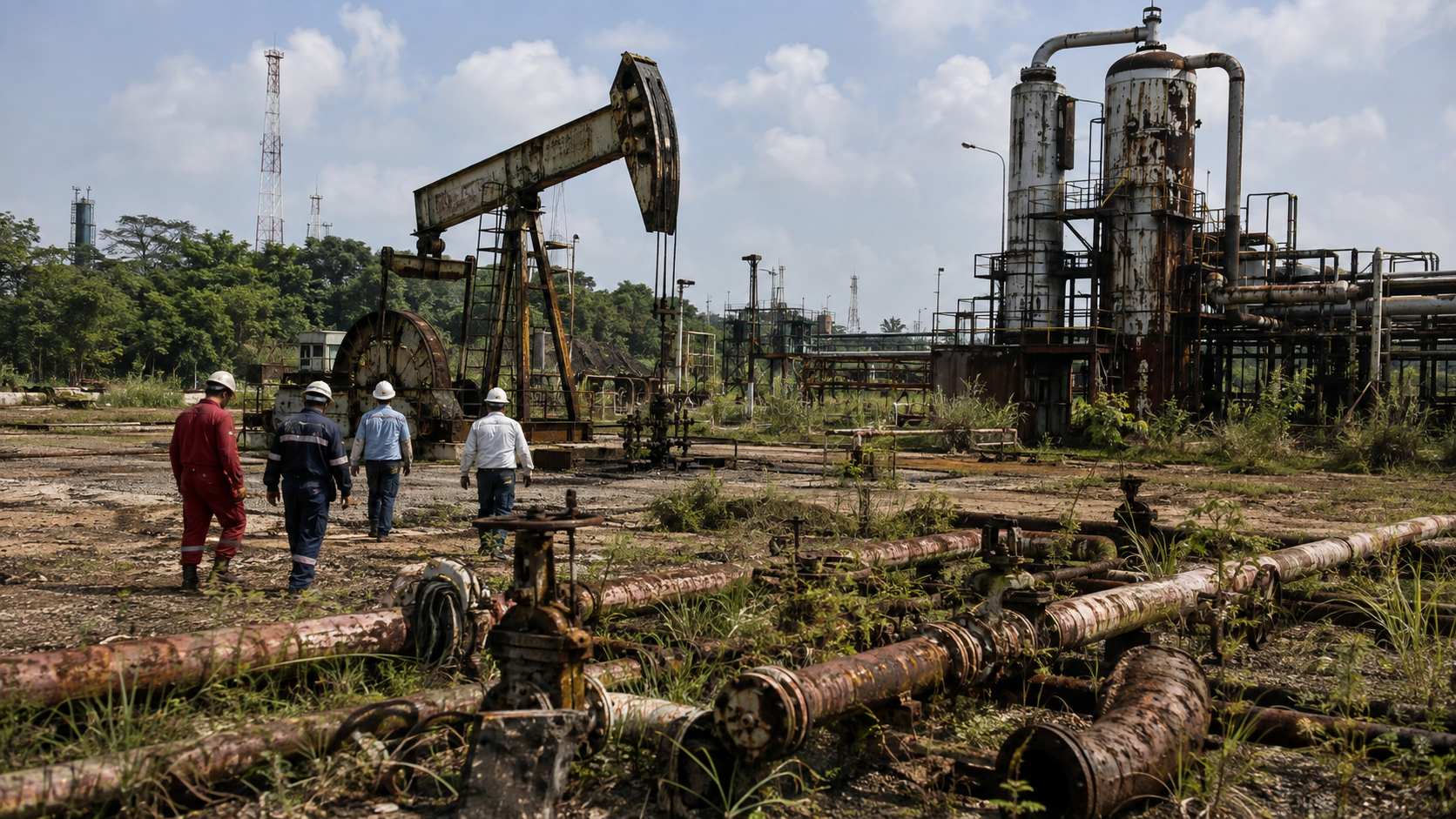
Restoring Venezuela's oil infrastructure, degraded by more than a decade of underinvestment, could require upward of $183 billion and more than a decade of work. That gap between the announcement's language and the physical scale of what remains to be built is the central tension in the deal. A federally backed venture could also end up competing directly against other US oil companies operating in the same market, and any future Venezuelan government could challenge or unwind the arrangement altogether.
Neither the scope of any accompanying sanctions relief nor a Venezuelan government statement confirming the terms has surfaced, and the mechanics of a US military office holding equity in a foreign commercial oil venture remain, for now, without a clear precedent to measure them against.