A few officials cited expectations of AI-related debt among the reasons long yields rose, and the Fed's markets desk noted wide spreads on hyperscaler bonds. SpaceX's chip financing would add $10 billion of loans and $30 billion of investment-grade debt.
The Federal Reserve's account of its September meeting included a line about borrowing for artificial intelligence. On the same day, the outlines of a $40 billion financing for AI chips came into view.
"A few participants discussed the potential factors behind the recent rise in longer-term Treasury yields," the minutes said, including "increased expectations for AI-related borrowing." The Fed's markets staff also reported that "yield spreads on hyperscaler debt used to finance AI infrastructure remained wide, given the large volume of issuance."
The SpaceX package
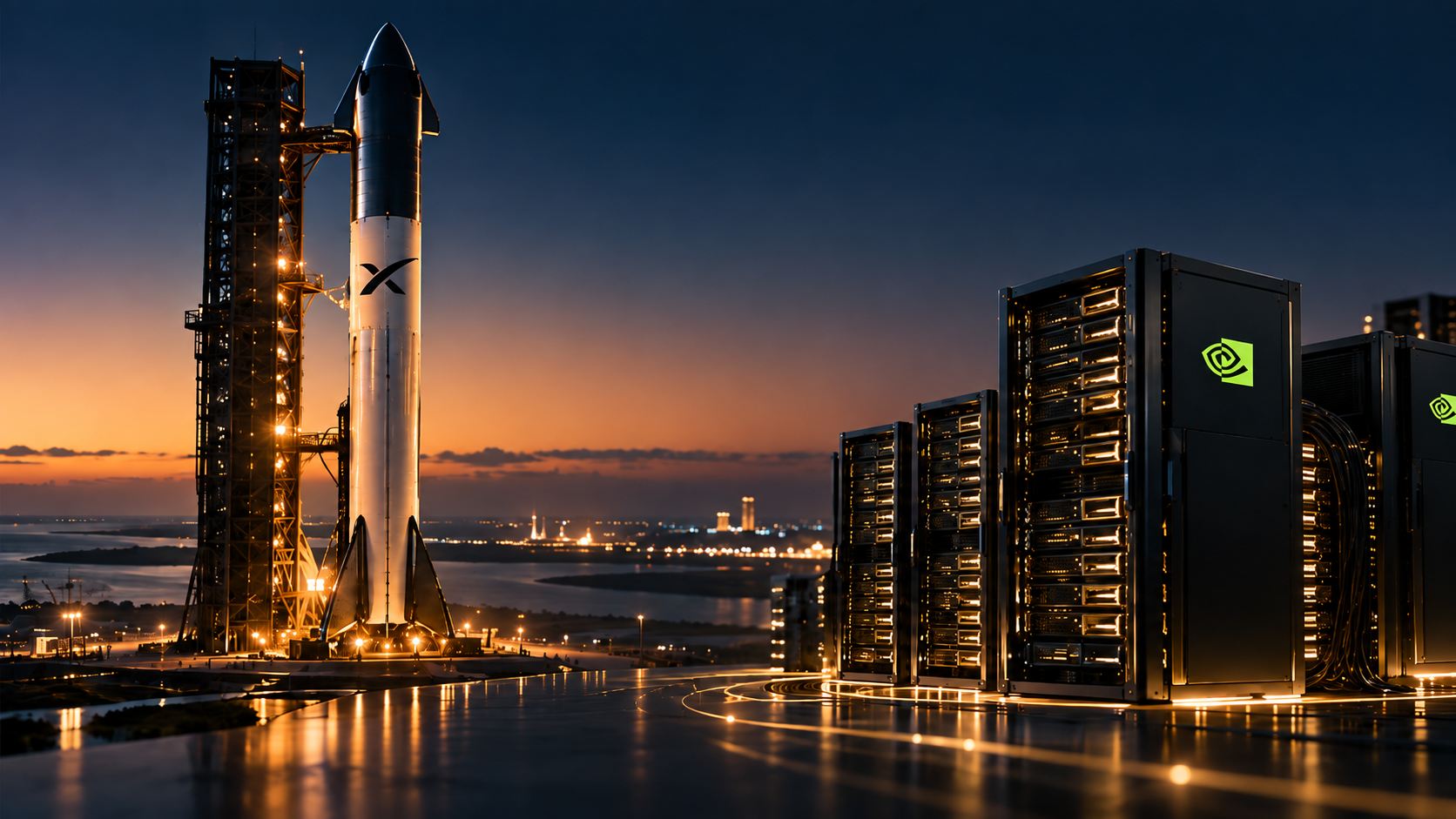
SpaceX is in talks to raise about $40 billion to buy Nvidia chips, according to people familiar with the discussions. The financing would include roughly $10 billion of bank loans and $30 billion of investment-grade debt. Apollo Global Management is expected to lead and place the deal, and Pimco is among a small group of lenders in talks. SpaceX's BBB credit rating would let insurers and pension funds buy the debt. A close is expected in 2027.
The talks are at an early stage and could end without a deal, according to people familiar with them. SpaceX, Apollo and Nvidia did not comment.
SpaceX shares fell about 2.9% to $166.99 on Wednesday. The $40 billion equals about 1.8% of the company's market value of about $2.2 trillion. Apollo slipped about 0.4% and Nvidia about 0.9%.
Private credit's role
Apollo's role, if the deal goes ahead, would be to arrange and distribute the debt. That differs from lending the full amount from its own funds. The structure, with most of the money raised as investment-grade debt aimed at insurers and pension funds, would put a private capital firm at the center of a financing of this size.
The bond-market link
Strategists at Société Générale listed reports of SpaceX's funding plans among the factors weighing on Treasuries on Wednesday morning, alongside oil, the Fed and record stock prices. The link would run through supply, with large corporate borrowers competing with the government for the same pool of long-term savings.
The 10-year yield touched its highest level since 2002 before a strong auction pulled it back to about 5.28%.
Two interpretations
One reading is that private AI borrowing is now large enough to compete with Treasuries for duration buyers, which the Fed's own staff observation on wide hyperscaler spreads would support.
Another reading is that markets have absorbed the borrowing so far. The 10-year auction drew heavy demand on Wednesday, and high-yield bond funds barely moved.
The signposts
A signed SpaceX financing with final terms would show what investors are charging for AI-related credit. Spreads on hyperscaler bonds, and the share of upcoming Treasury auctions taken by non-dealer buyers, will show whether the two kinds of borrowing are crowding each other.