The governor backed further tightening if the data warrant it, as bank shares sit in a correction, utilities hit a 17-month low and new 52-week lows outnumber new highs by nearly seven to one.
Federal Reserve Governor Lisa Cook gave investors another reason on Monday to expect more rate increases, and named a source of inflation that the market usually treats as a growth story.
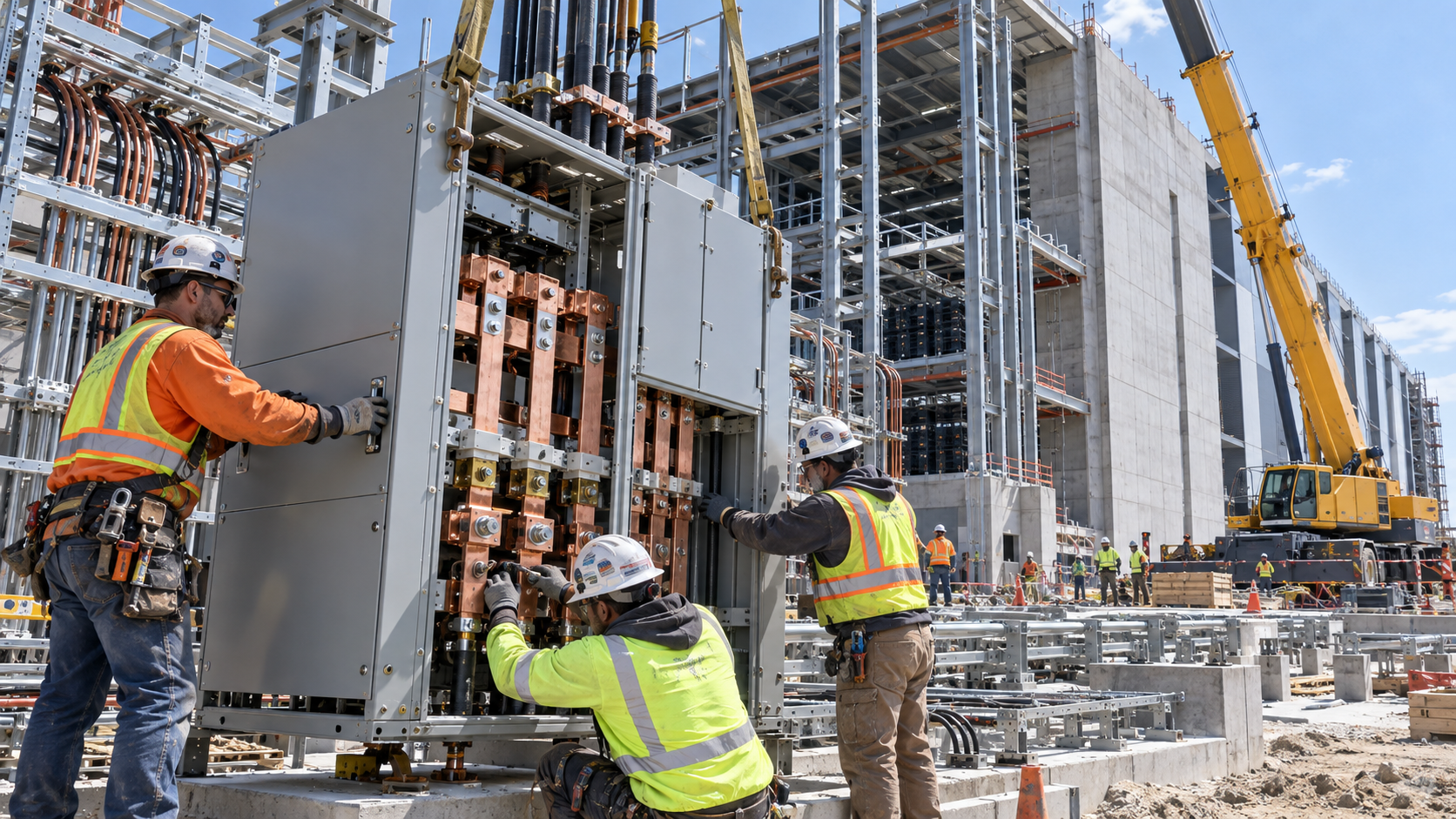
"I expect to see continued pressure on inflation from the AI buildout," Cook said in remarks in Oakland, Calif., adding the "pass-through of higher oil prices and supply chain disruptions associated with the conflict in the Middle East." She said artificial intelligence could eventually lower inflation by lifting productivity, but that she expected the effect to be modest and not fast enough to help this year.
Cook supported the Fed's quarter-point increase earlier this month, its first hike in three years. "The labor market appears to be well positioned to handle an increase in rates," she said. On what comes next, she said she would "consider what policy rate may be needed to continue to guide inflation down to our target," with the number and size of any moves depending on incoming data.
Pricing further hikes
Traders are already there. Futures price the equivalent of at least three more quarter-point increases over the next year, and the odds of a hike at the Oct. 27-28 meeting sit near 70%.
That has reshaped the Treasury curve. Last week the 10-year note yielded as little as 17 basis points more than the two-year, a spread not seen since early 2025, as short maturities led the selloff after the September hike. On Monday the long end did more of the work, with the 10-year up about 8 basis points to near 5.25% and the two-year up about 6.5 basis points to near 4.93%, which put the gap back near 31 basis points.
The shape matters because an inversion, with two-year yields above 10-year yields, has come before every one of the last eight U.S. recessions, though the signal misfired after it appeared in 2022. The spread between three-month bills and 10-year notes, a measure some policymakers prefer, remains comfortably positive.
Where the pressure shows
Bank stocks are the most direct casualty of a flatter curve, since lenders borrow short and lend long. The KBW Bank Index has already dropped 10% from its recent peak, the conventional line for a correction.
Other rate-sensitive groups are under strain. Utilities, long treated as bond substitutes, slid about 0.6% on Monday, leaving the sector fund headed for its weakest finish since April 2025 and 17.7% under its Feb. 27 peak. Consumer discretionary shares have dropped seven weeks running, a streak last matched in May 2022. Smaller companies sat near a four-month low, with the Russell 2000 8.4% off its Aug. 14 high.
The broad index hides that damage. The S&P 500 was only about 1.3% below its Aug. 13 record close on Monday afternoon, yet 27 of its members had hit 52-week lows against four at 52-week highs.
Two readings
Cook's view that the AI buildout adds to inflation now implies that the same spending supporting earnings at the largest companies is also keeping rates high for everyone else. One reading is that the economy is strong enough to absorb that, as Cook's labor market comment suggests. The other is that the damage in banks, utilities and small caps is the early cost of tightening into an economy that is narrower than the index level implies.
Wednesday's PCE inflation report and Friday's payrolls are the next inputs. A strong jobs number with firm inflation would support the October hike. A weak one would put the curve back on inversion watch.