The Federal Reserve hiked nine days ago to fight inflation it called elevated. Since then, the commodity most tied to that inflation has fallen for three straight sessions.
The Federal Open Market Committee raised its benchmark rate a quarter point on September 16, to a target range of 3.75% to 4.00%, in a unanimous vote. The committee's statement cited inflation that "continues to be elevated" even as growth stayed solid and productivity strong, and said the move was meant to support "a timelier return" to the Fed's 2% inflation goal.
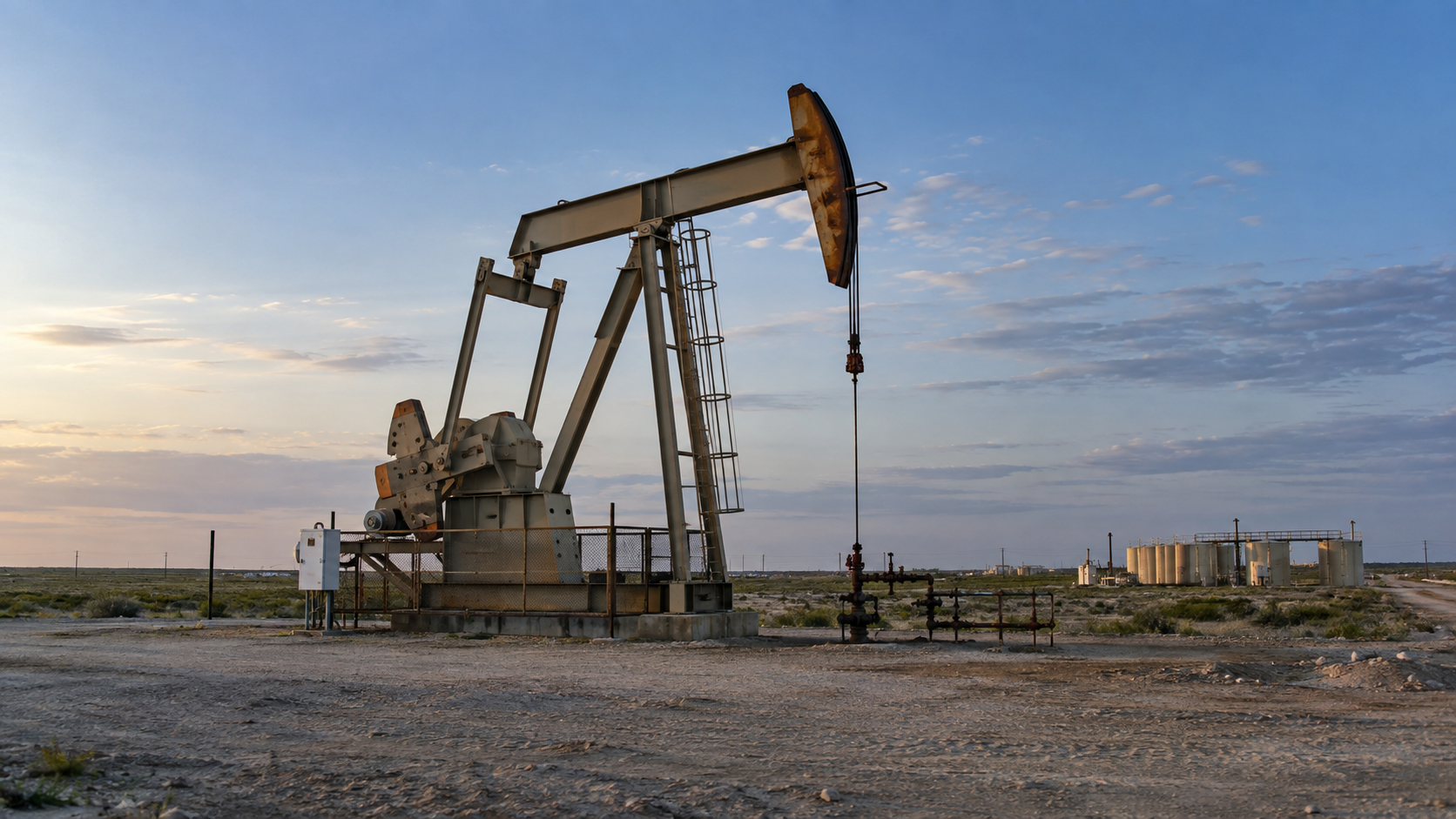
Nine days later, crude oil is doing something the Fed's statement did not anticipate out loud: falling, for a third consecutive session. West Texas Intermediate traded near $89 a barrel on Tuesday, down more than 3% on the day, while global benchmark Brent slid to around $97.60, extending a decline that began after Iran signaled openness to reopening the Strait of Hormuz and Saudi Arabia moved to restart a pipeline that bypasses it.
The Fed's own statement never broke out how much of "elevated" inflation was coming from the war. That is the gap this creates. A quarter-point hike delivered eight days before oil started falling was aimed, at least in part, at a price shock with a large energy and shipping component. If that component is genuinely easing, the analytical case for a widely discussed follow-through hike in October gets harder to make with a straight face, even though nothing about the September decision looks wrong given what the committee knew at the time.
That tension has shown up inside the Fed's own public commentary this week without anyone quite naming it. New York Fed President John Williams told a Treasury market conference that the central bank's framework for supplying reserves "has proven to be highly effective" and would keep adjusting "as markets evolve." Vice Chair Philip Jefferson, at the same conference, defended recent upgrades to the discount window, saying a more accessible emergency-lending facility "reduces the frictions that may make banks hesitant to use the window when they are healthy." Boston Fed President Susan Collins went further in a public post, writing that she now sees "an increased likelihood of future scenarios in which inflation remains notably above 2%," and that a "somewhat more restrictive" policy rate is still needed even with the labor market on firmer footing.
None of the three connected their remarks directly to the price of oil. That is the disconnect: the officials defending the hike are arguing from a general inflation-persistence view, while the market-based evidence that might undercut part of that view, three straight days of falling crude tied to a specific, dateable diplomatic signal, is sitting one floor down from where they're speaking.
None of this means the Fed is about to reverse course, and nothing here should be read as a prediction of what the committee does at its next meeting. It means the premise behind the September hike is being tested in real time by a market that moves faster than a committee meets, and investors pricing in additional tightening this year are, whether they've said so explicitly or not, betting that this week's oil move is noise rather than signal.