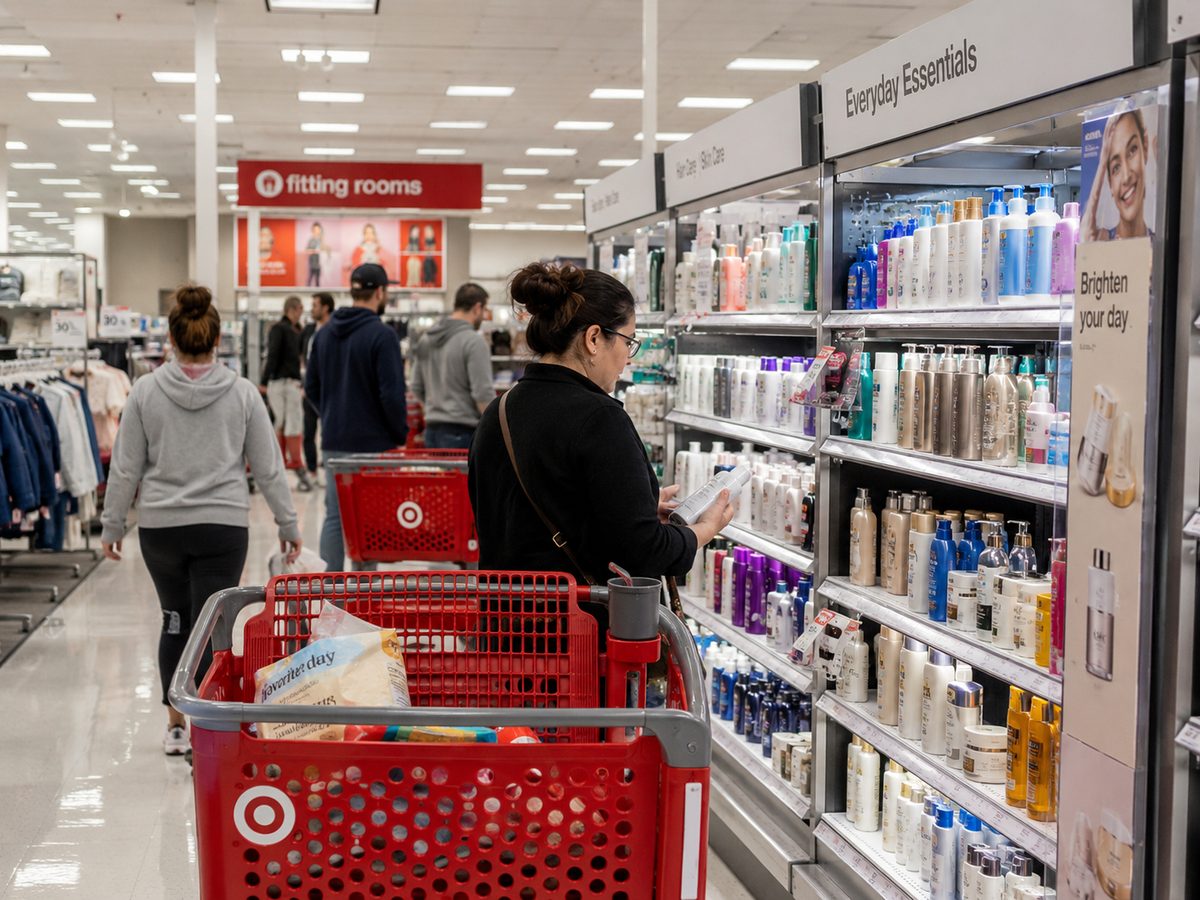
Target's second quarter looked like the turnaround story investors have waited two years for, until you separate a $994 million tariff refund from what the business actually earned. Diluted earnings per share more than doubled to $4.11, but management steered analysts toward a lower, tariff-adjusted number as the real gauge of the quarter. That is not typical framing in the middle of a headline beat, and it points to where the real debate sits: whether Target's improving traffic and pricing strategy are building a durable recovery, or whether a one-time refund is doing work operating performance has not yet finished.
A Tariff Refund Wrote 40% of the Quarter's Profit Story
Target booked a $994 million pretax refund tied to import duties, recorded as a reduction to cost of sales. That refund added $1.65 to diluted EPS, out of a total $4.11. Strip it out and earnings per share come to about $2.46, still ahead of the roughly $2.35 analysts expected, though a smaller beat than the headline figure implies. Target did not exclude the refund from its own adjusted results this quarter, so its adjusted and GAAP figures are the same $4.11, a distinction worth carrying into any comparison against prior quarters.
Operating income rose 94% and net earnings roughly doubled, both flattered by the same item. Gross margin expanded to 33.7%, of which about 3.7 points came from the tariff benefit; excluding it, margin expansion was closer to 100 basis points, respectable but well short of the headline number.
Traffic Is Up. The Highest-Margin Categories Are Still Lagging
Comparable sales rose 3.8%, split between a 2.7% gain in stores and an 8.7% jump online. Traffic rose 3.6%, a real signal that shoppers are visiting Target more often than a year ago. Food and beverage and beauty both grew at a high-single-digit clip, with beauty benefiting from an expanded assortment that added thousands of new products.
Average ticket, what shoppers spend once they arrive, grew just 0.2%. Home and apparel, the categories most tied to Target's margin mix, remain the softest part of the portfolio. Management described the turnaround there as a multi-year project with a lot of work still ahead. Asked how much of the merchandising reset across roughly 2,000 stores had been completed, management gave no specific figure, framing the answer instead around a longer-term ambition.
Guidance Jumped Further Than the Quarter Alone Explains
Full-year EPS guidance rose to $9.90 to $10.90, up from a prior range centered near $8.00. Full-year sales-growth guidance rose to about 5% from roughly 4%, and operating-margin guidance rose to about 6%, which itself includes an estimated 90 basis points of tariff-refund benefit. No quarter-specific guidance was issued for the current quarter.
Target spent nothing on share buybacks this quarter, despite $8.3 billion of remaining authorization, while capital expenditures rose 27% to $1.4 billion, a sign management is prioritizing reinvestment in the merchandising and store reset over near-term shareholder returns. Return on invested capital improved to 15.4% from 14.3%, an efficiency gain that does not depend on the tariff item.
The Reset Still Has to Show Up in the Numbers
Target's stock swung from an early decline to a fresh 52-week high on report day, a sign the market has not settled on how to weigh the two halves of this quarter. The next several quarters will show whether the traffic gains hold up on their own and whether home and apparel can finally capture some of the demand the rest of the store is already seeing. Target's shares were trading well above the sell-side price-target consensus of about $148 at the time of this report, a gap that will need to close through either target revisions or a pullback in the stock.