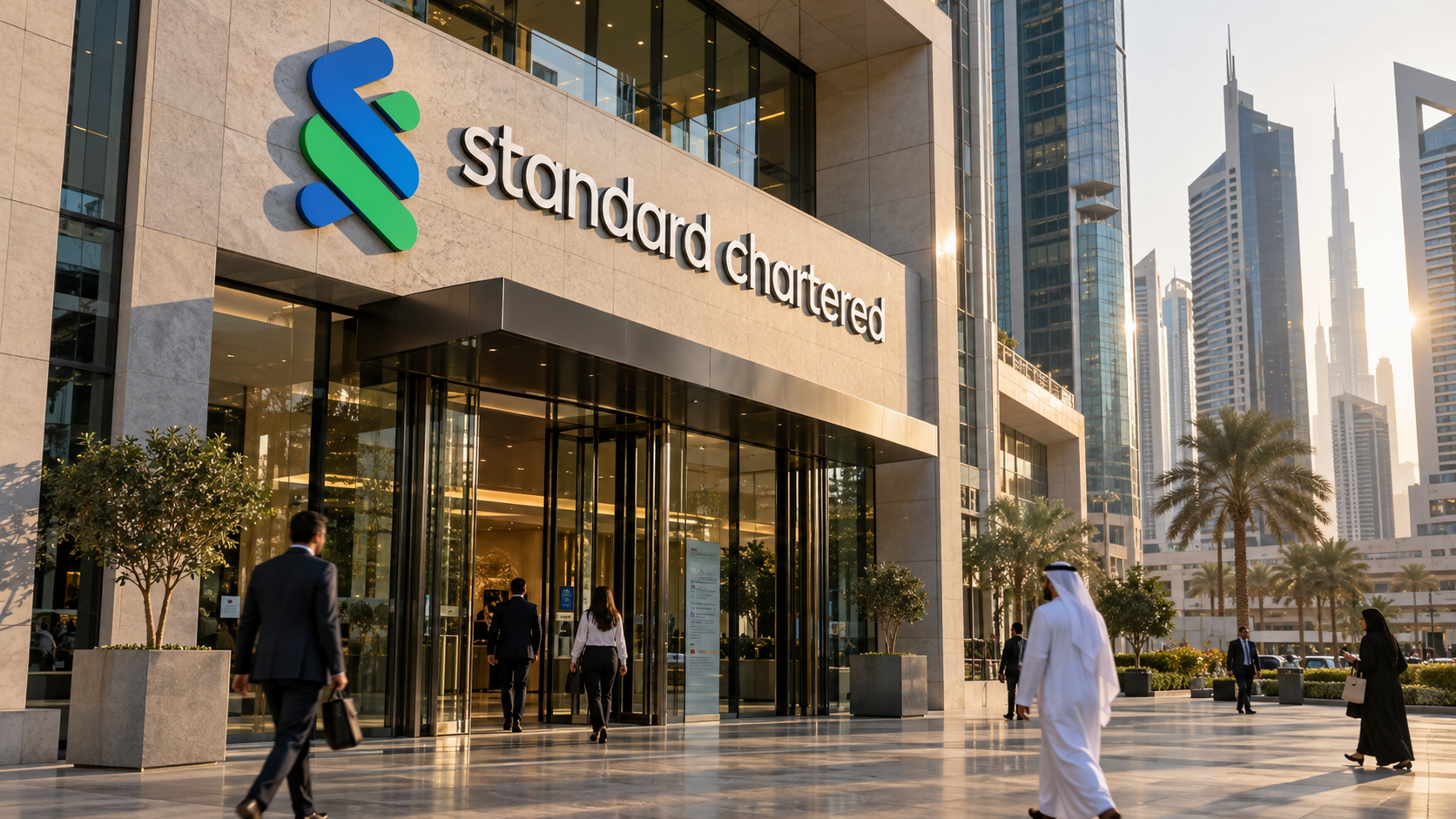
Custody for RLUSD is live through the bank's Dubai branch. A plan to let clients post the stablecoin as margin at LMAX without moving it off the bank's books still needs testing and approvals.
Standard Chartered has started safekeeping Ripple's dollar stablecoin for institutional clients, and is working on a way for those clients to use it as collateral at a trading venue.
The bank said Monday that custody for RLUSD issued on the XRP Ledger "is now live" through Standard Chartered Bank's branch in the Dubai International Financial Centre, which is regulated by the Dubai Financial Services Authority.
The collateral plan
Standard Chartered said it is working with Ripple and LMAX Group, an exchange operator, to make RLUSD eligible collateral and to extend its "collateral mirroring" model to LMAX.
Under collateral mirroring, an asset stays in custody at the bank while its value is recognized at the trading venue as margin. The client can trade against it without transferring it to the exchange, an arrangement designed to reduce counterparty exposure to the venue.
That part is not live. "The agreed future capabilities remain subject to final documentation, successful testing, applicable laws and regulations, internal approvals and jurisdictional readiness," the bank said.
The relationships
Ripple provided LMAX with $150 million of financing in January to integrate RLUSD. Standard Chartered has said it plans to offer stablecoin custody to institutions in Singapore, subject to regulatory approval. The bank's venture arm, SC Ventures, was among the investors in a recent strategic round for the crypto exchange OKX, alongside Ripple and Circle.
Market reaction
XRP, the token most associated with Ripple, fell about 3.4% to near $1.36 on Monday, amid a broad decline in crypto prices. RLUSD is a separate dollar-backed token, and custody arrangements for it do not change XRP's supply or use.
Market implications
One reading is that this is meaningful plumbing for RLUSD. A global systemically important bank holding the token in a regulated branch, and planning to recognize it as collateral off-venue, gives it a credential that competing stablecoins seek for institutional use.
A second reading is that the step is incremental. Custody is limited to one branch in one jurisdiction, and the collateral feature that would change how institutions trade remains subject to testing and approvals with no date attached.
What to watch
A launch date for RLUSD collateral at LMAX, the start of Standard Chartered's Singapore custody service, and whether other venues adopt the same mirroring arrangement will show how far the model spreads.