SpaceX spent $18.4 billion on capital projects in the April-to-June quarter, more than six times the year-earlier figure and about 1.4 times the roughly $12.9 billion of third-quarter revenue analysts expect. Results come after Tuesday's close, on notice of just two business days.
For every dollar of revenue analysts expect SpaceX to report for the third quarter, the company spent about $1.43 on capital projects in the second.
That comparison spans two different quarters, but it captures the question that will define Tuesday's report. SpaceX's capital expenditures reached $18.4 billion in the second quarter, up from $2.8 billion a year earlier. Analysts expect third-quarter revenue of about $12.9 billion, so the latest quarterly spending figure is about 43% larger than the next quarter's expected sales, by this publication's arithmetic. At the second-quarter pace, annual capital spending would run near $74 billion.
Where the money goes
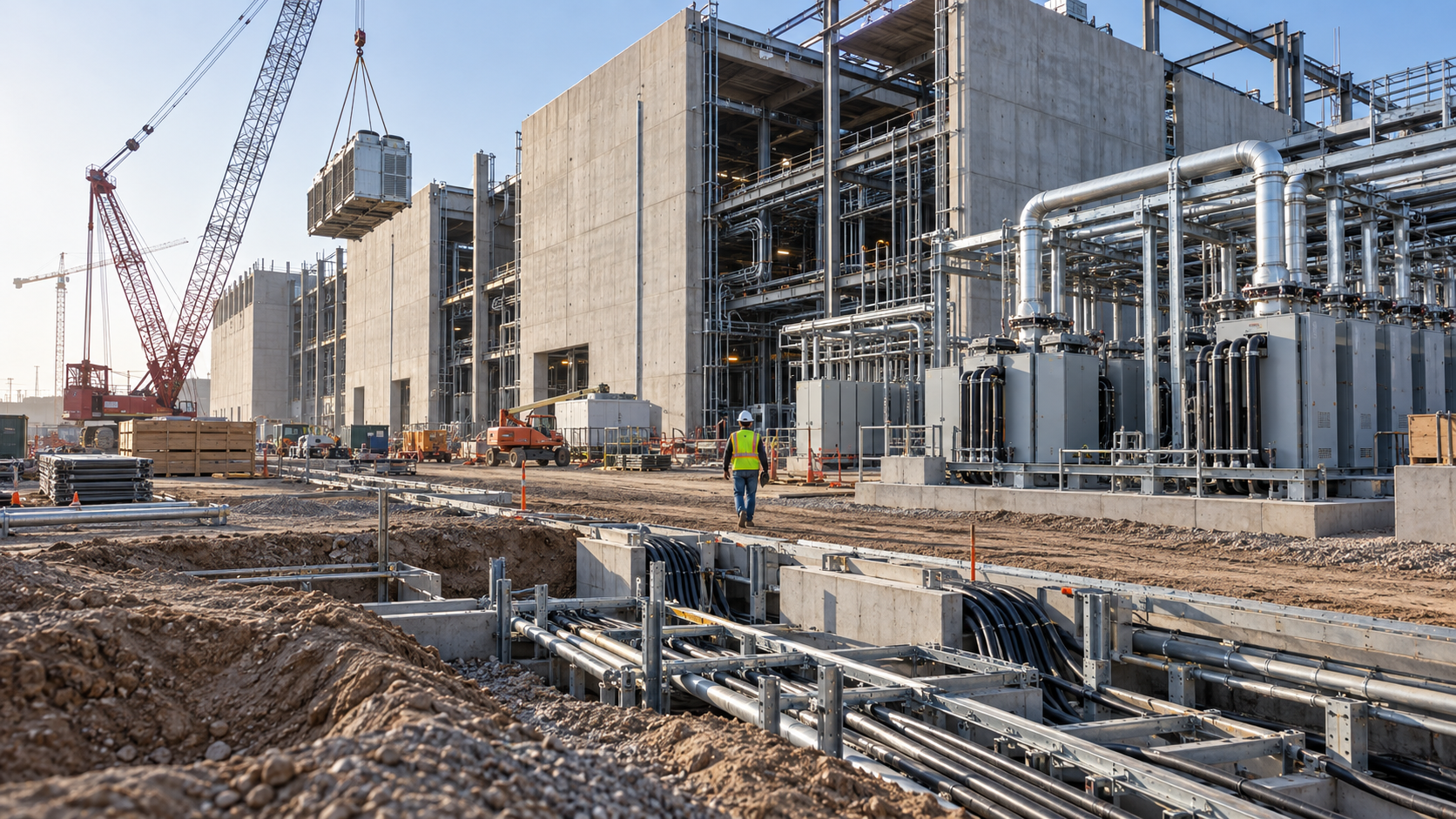
The spending covers three large projects at once: data centers for the company's AI computing business, a chip-manufacturing plant in Texas being developed with Tesla, and the Starship rocket program. Chief Executive Elon Musk set out ambitious growth plans for the data-center business last quarter. AI developers, Google among them, already rent capacity there.
Part of the bill is being financed with debt. SpaceX has lined up about $40 billion to pay for Nvidia chips, Reuters has reported, roughly $10 billion in loans and $30 billion in investment-grade debt. That is a large sum in absolute terms but equal to only about 1.6% of the company's market value of about $2.56 trillion at Monday's close of $147.96, by this publication's arithmetic. It would cover a little over half a year of spending at the second-quarter rate.
What has to pay for it
Two businesses carry the case. Starlink, the satellite internet service, was SpaceX's only segment with operating income as of the second quarter. The data-center business is newer, and its revenue growth and customer count are the figures most likely to move the stock. A report that shows data-center revenue scaling quickly would make the capital ratio look like a timing gap. One that shows spending rising faster than revenue would put SpaceX at the center of the debate over whether AI infrastructure earns more than it costs to finance.
An unusual calendar
The company gave investors little time to prepare. It announced on Oct. 16 that results and a webcast would follow on Tuesday at 4:30 p.m. Eastern. "Why did SpaceX schedule its earnings date with just 2 business days notice?" Morgan Stanley analysts asked in a note on Monday, as reported by The Wall Street Journal. "We do not have a good answer at this time."
Executives may also face questions about reports that service used by Ukraine was restricted, which have drawn conflicting accounts: Reuters reported that the order came from inside the White House, while Secretary of State Marco Rubio has said nobody ordered a slowdown. They may also be asked about speculation over a tie-up with Tesla, which reports on Wednesday and last week showed its new Roadster fitted with SpaceX thrusters.
Two ways the report can land
The bullish version is a business converting capital into contracted revenue: Starlink profitable, large AI customers renting capacity, and spending that reflects demand already in hand.
The cautious version is a company whose capital needs are outrunning its visible revenue, adding debt at a time when markets are questioning the economics of AI infrastructure, and giving investors less notice than usual to judge the results.
What to watch
Third-quarter capital spending set against third-quarter revenue; data-center revenue and customer additions; Starlink operating income; any full-year spending guidance; and Wednesday's Tesla report. Quarterly capital spending that comes in below the quarter's revenue would be the clearest sign that sales are catching up with the build-out.