A letter from the committee's Democrats raises the prospect of SEC jurisdiction over security-linked event contracts, a new front beyond the dispute between the CFTC and the states.
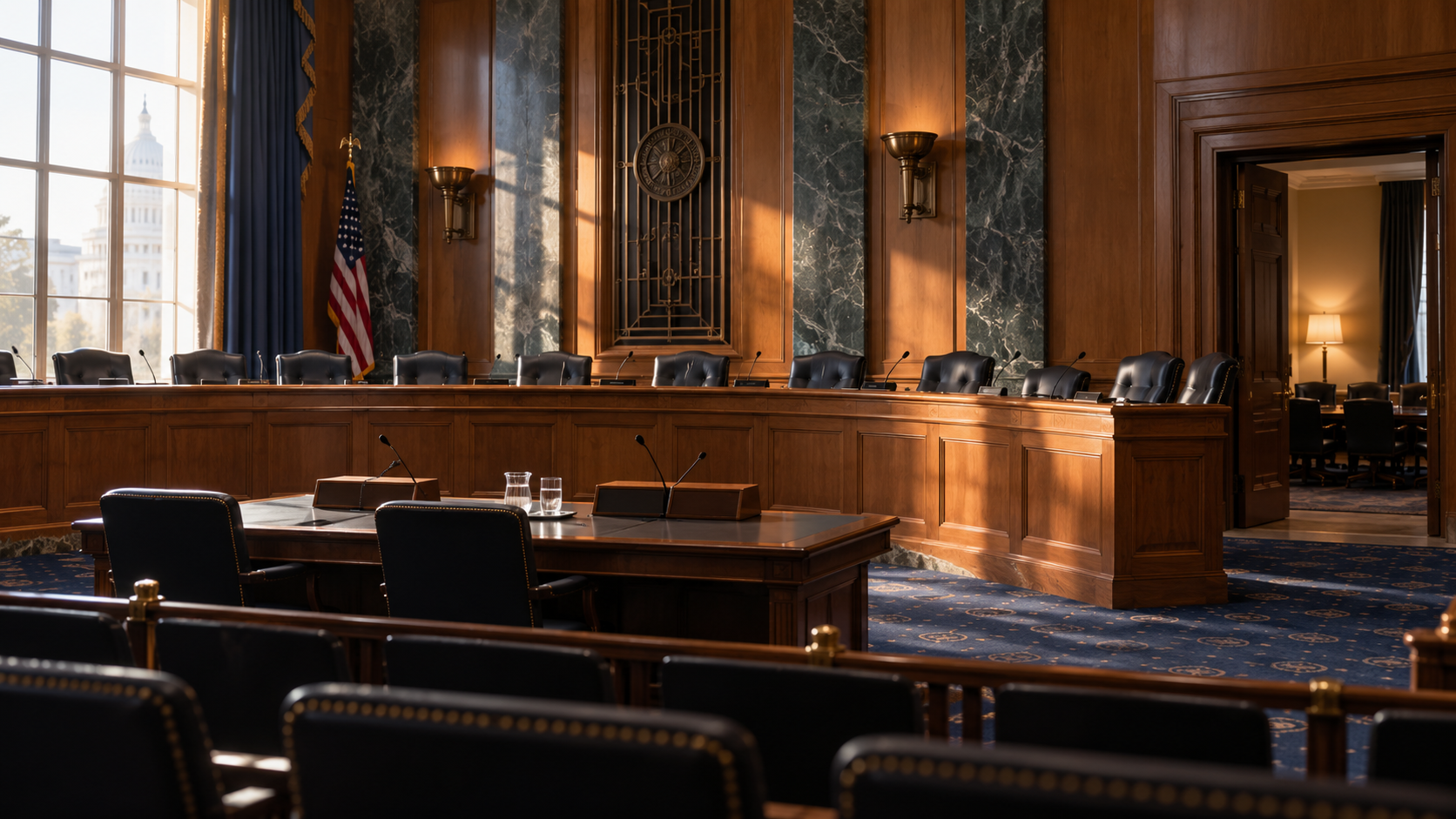
The Senate Banking Committee spent the same morning on prediction markets in two different rooms.
On Sept. 23, Democrats on the committee, led by Sen. Elizabeth Warren, wrote to Chair Tim Scott asking for a public hearing on the industry. The same day, Republicans on the committee held a private 10 a.m. roundtable with Kalshi Chief Executive Tarek Mansour. Scott's office described the subject as "securities-linked products."
The SEC question
The Democrats' letter raises an issue that has largely sat outside the main legal fight. Most litigation over prediction markets pits the Commodity Futures Trading Commission, which claims exclusive oversight of event contracts, against state gambling regulators. The letter points instead to the Securities and Exchange Commission, arguing that event contracts tied to securities may fall under its jurisdiction. It also cites Cboe's request to list earnings-linked "all-or-nothing" options, a product that sits between a traditional option and an event contract.
If contracts on company earnings, stock prices or other securities outcomes are treated as security-based products, they would face a different regulator, different disclosure rules and different investor protections than contracts on elections or sports.
Kalshi's position
Mansour has signaled openness to more oversight. "We want more guardrails," he said in a television interview on Sept. 24.
The split
The two formats point to different approaches. A public hearing creates a record, with testimony and questions on the record. A private roundtable gives industry executives direct access to lawmakers without that record.
For investors in exchange operators and brokers expanding into event contracts, the jurisdictional question matters because it determines which rulebook applies. A scheduled hearing, a response from Scott, or SEC action on the Cboe request would show whether Congress or the regulators move first to define where security-linked event contracts belong.
*End of batch. All 33 articles are DRAFT pending human editorial review and approval. Article Status: DRAFT. Published URL: PENDING PUBLICATION. Newsletter Eligibility: PENDING.*