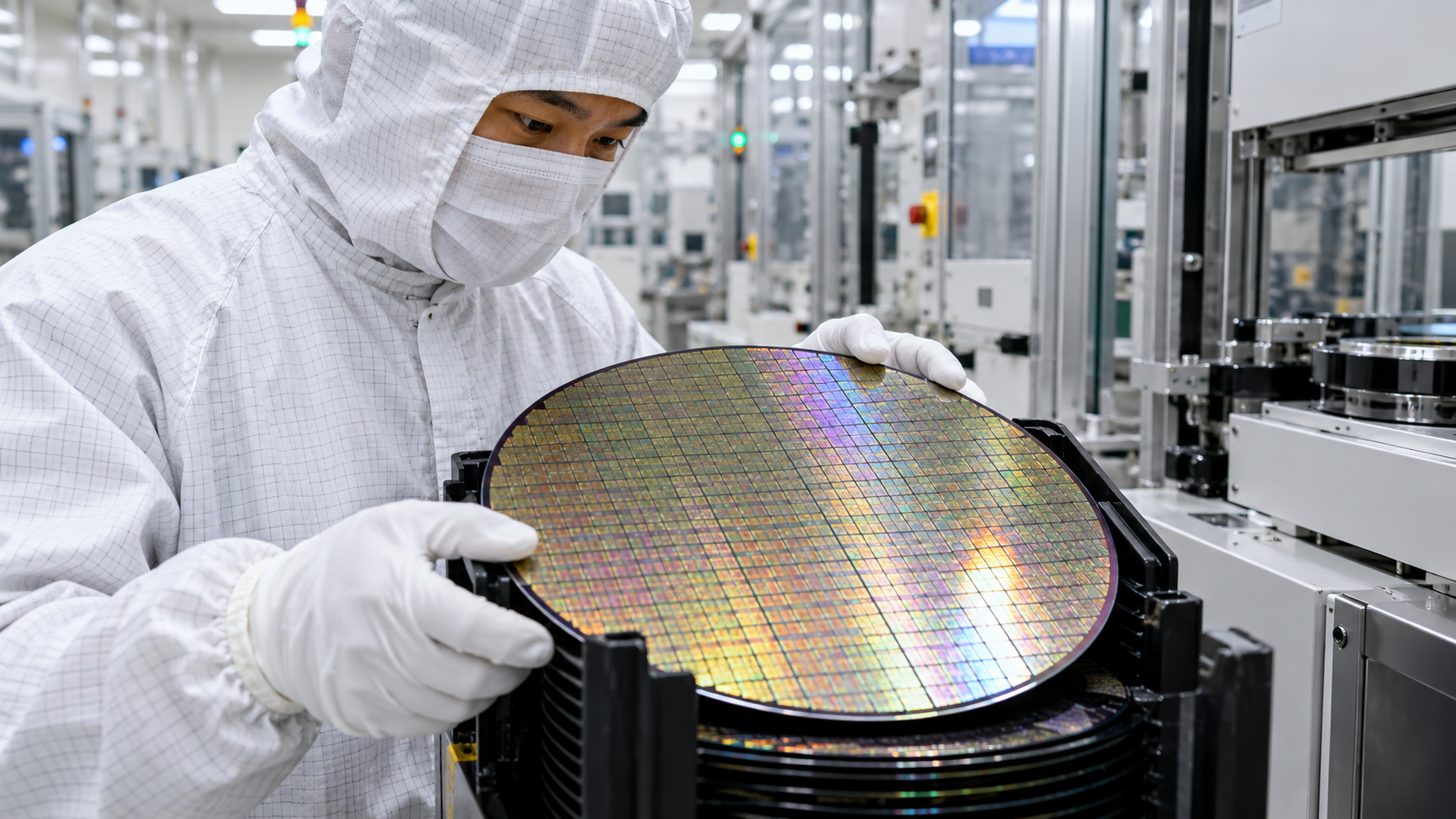
Samsung's preliminary operating profit reached 107.4 trillion won and TSMC's quarterly sales set a record. Korea's Kospi fell 2.6% the same morning, as investors weighed the borrowing that pays for AI chip orders.
| 005930.KS, TSM, MU, NVDA, SMH, SOXX
Two of the companies that make the chips for artificial intelligence reported numbers on Thursday that would once have moved their sectors. Their shares went down.
At Samsung Electronics, preliminary figures put third-quarter operating profit at 107.4 trillion won, roughly $80.2 billion, a 783% increase on the year. That implies year-ago operating profit of roughly 12.2 trillion won. The surge reflects demand for memory chips used in AI systems.
Taiwan Semiconductor Manufacturing, the world's largest contract chipmaker, reported third-quarter revenue of T$1.49 trillion, about $46.7 billion, up 50% from a year earlier, a quarterly record that topped analysts' forecasts.
The reaction
Samsung shares fell 2.4%. TSMC fell 1.35%. South Korea's Kospi dropped 2.62% on the day, so Samsung moved roughly with its home market. Japan's Nikkei 225 fell 1.42%.
The financing question
The results arrived as investors focused on how AI spending is being paid for. Broadcom is arranging more than $50 billion of chip financing for OpenAI and Oracle is weighing an off-balance-sheet chip-leasing vehicle, according to people familiar with the talks, and the cost of insuring SpaceX's debt has hit records. That borrowing ultimately funds orders for chipmakers such as Samsung and TSMC. Strong results show the orders are arriving; the debt behind them raises the question of how durable they are if credit tightens.
The macro backdrop
The selloff in Asia was broad. Brent crude rose about 4% to above $104 a barrel, and the 10-year U.S. Treasury yield touched its highest level in 24 years. Rising yields tend to weigh on growth stocks, including chipmakers, whatever their current earnings.
Record Demand and Its Durability
One reading is that the selling reflects the macro tape rather than the results. Samsung fell less than its market, and records of this size support continued earnings upgrades once rates and oil settle.
Another reading is that investors are starting to price the sustainability of AI demand rather than its current level, and that results this strong may mark a high point in profit growth as comparisons get tougher and customers lean more on borrowed money.
Next readouts
Samsung's full third-quarter results, with a breakdown by business, will show how much of the profit came from memory. TSMC's quarterly earnings report and its outlook for capital spending will show whether its customers are still raising orders. The terms of the large AI financings, when they price, will show what lenders are charging to fund the buyers.