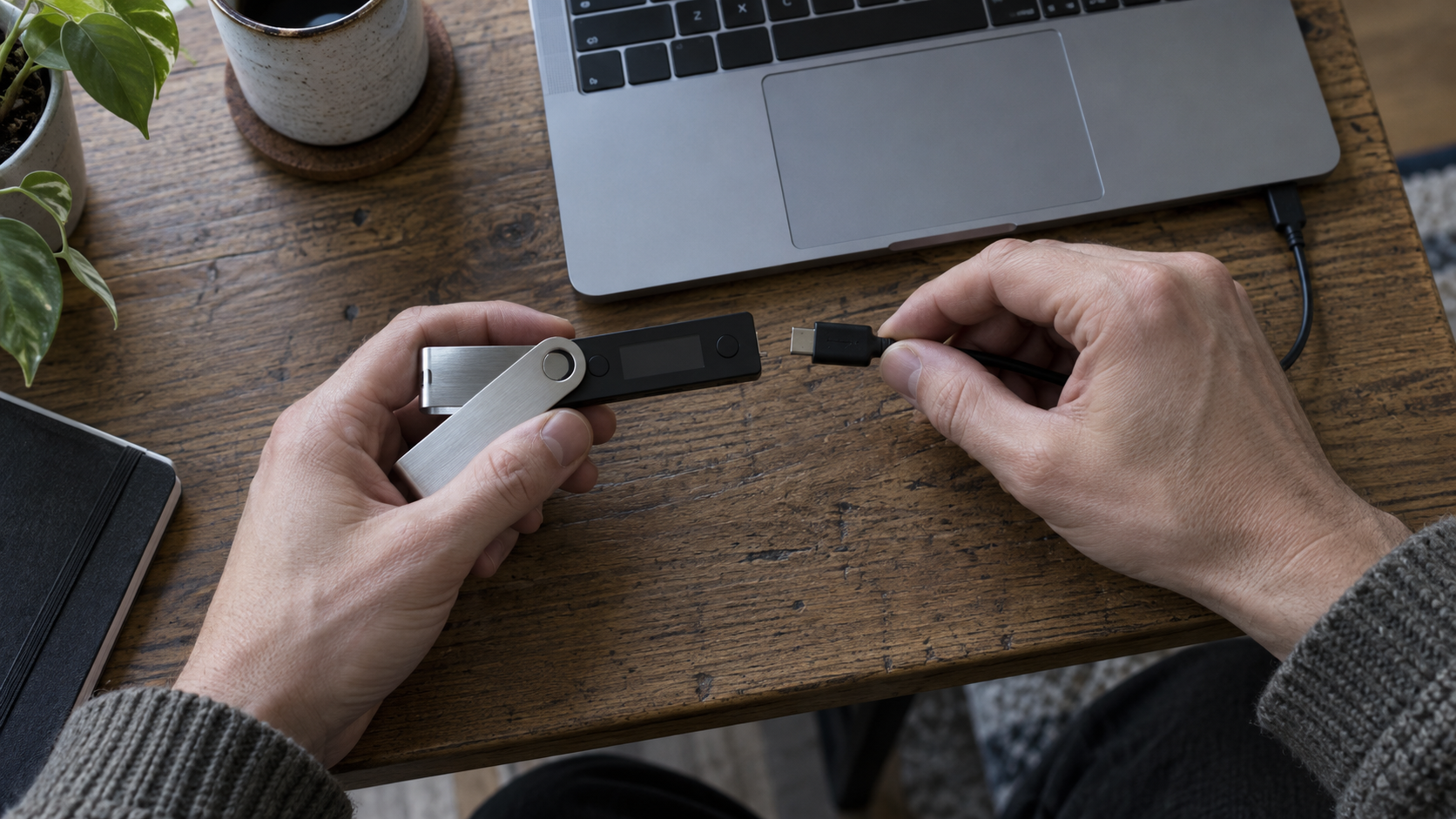
Bank of Russia guidance channels retail crypto activity through licensed intermediaries such as banks, prohibiting transfers from regulated accounts to self-custody wallets. Owning a self-custody wallet is not expressly banned.
Russia has legalized crypto trading. It has also made clear that citizens should not expect to hold the keys.
According to Bank of Russia guidance, as reported by crypto media, individuals may not transfer crypto assets from their accounts with licensed intermediaries to their own non-custodial wallets. Transfers between individuals through addresses administered by licensed depositories are also not permitted. Direct person-to-person crypto transactions will be allowed only until July 1, 2027; after that, trades must go through authorized intermediaries.
The guidance, updated earlier this week, does not expressly prohibit owning an existing self-custody wallet.
How the system works
The rules implement a crypto law Russia passed in July. Non-qualified investors can buy up to 300,000 rubles a year through each intermediary, and bitcoin, ether and the dollar stablecoin USDT are among the assets that qualify. Only companies engaged in foreign trade may transfer crypto directly to self-custody wallets.
The result is a closed loop. Russians can buy and sell crypto, but through banks and licensed platforms that see every transaction, and the coins stay inside those institutions. Sberbank is preparing to launch a crypto service on Dec. 1.
The opposite of the Western approach
The U.S. and the European Union have generally protected individuals' right to hold crypto in their own wallets, even as they regulate the companies that serve them. Russia is moving the other way: crypto is permitted, self-custody from the regulated system is not, and peer-to-peer trading has an end date.
For a country under Western sanctions, the design may also serve a policy purpose. Crypto routed through licensed domestic institutions is visible to the state, while self-custody and peer-to-peer markets are harder to monitor.
Enforcement questions
How the rules will be enforced is unclear. Hardware wallets can be bought abroad, and peer-to-peer trading on offshore platforms does not require a Russian intermediary. Industry executives have questioned how authorities would police either.
The 2027 deadline may also have an unintended near-term effect, pushing some activity into peer-to-peer channels before they close.
Market implications
One reading is that this is a real tightening. A G20 economy is cutting retail investors off from moving coins out of the regulated system and setting a date to end informal trading, which will shift volumes toward licensed banks and exchanges.
A second reading is that the guidance mostly restates existing law. The underlying statute was passed in July, holding a self-custody wallet remains legal, and enforcement at the margins will be difficult. On that view, the practical change is smaller than the headline.
What to watch
Sberbank's December launch and the volumes licensed Russian platforms report, any enforcement action against peer-to-peer traders before the 2027 deadline, and whether other countries with capital controls adopt a similar custodial-only model.