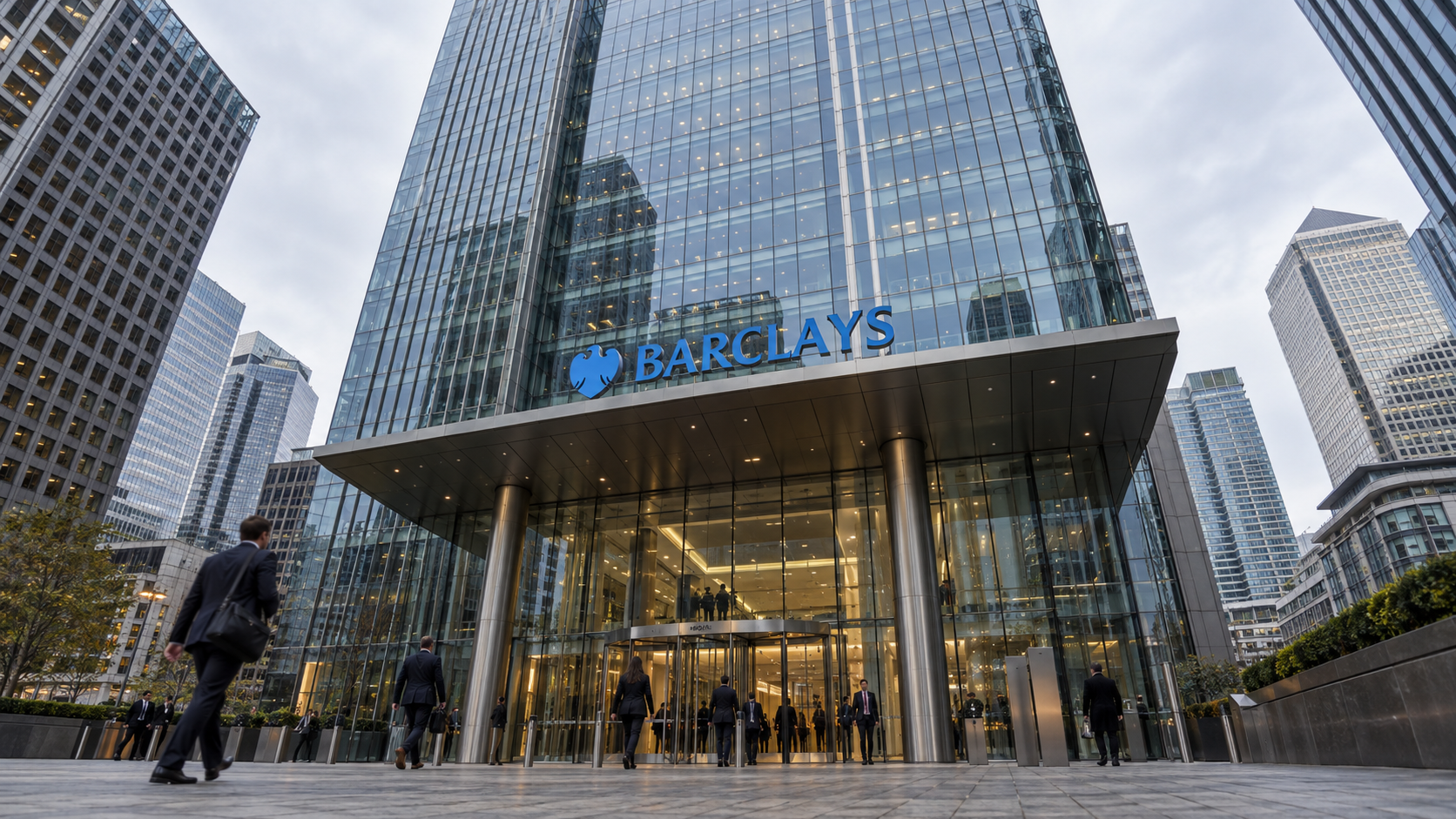
The Prudential Regulation Authority is looking into an insider complaint that derivatives Barclays used to finance private credit loans carried more risk than traders reported. The allegations are unproven, and the bank's shares were down about 2.7% in early trading.
The plumbing behind private credit is getting a regulator's attention.
A complaint from inside Barclays is now before the Bank of England's Prudential Regulation Authority, the Financial Times reported on Monday. The insider alleges that traders played down how risky certain derivatives were, specifically instruments the bank used to provide financing for private credit loans. None of it has been proven. Barclays said it "takes its regulatory obligations seriously but does not comment on interactions with regulators." Its shares were down about 2.7% at around 421 pence in early London trading.
How banks finance private credit
Private credit funds lend directly to companies, outside the bond and syndicated loan markets. To lend more than their investors' capital alone allows, funds can borrow from banks, and some of that financing takes the form of derivatives that give a fund economic exposure to loans while the bank provides the funding.
For banks, these structures can be profitable and appear well protected, since the fund posts collateral and absorbs the first losses. The risk lies in how that collateral is valued and how quickly it can fall in a downturn. If traders understate that risk, a bank can end up holding less capital against the exposure than it should.
Why it matters beyond Barclays
The complaint concerns one bank, and nothing has been established. But the questions it raises apply to the whole relationship between banks and private credit funds, which depend on bank leverage to scale.
If supervisors conclude that banks' risk models for these structures are too lenient, the response would likely be higher capital charges on bank lending to funds. That would raise the cost of leverage for private credit managers and could slow the pace at which they deploy capital.
The scrutiny arrives as investors already question credit quality in parts of the market linked to AI infrastructure, where some loans have traded well below face value and spreads have widened.
Market implications
One reading is that this is a contained matter at one bank. The PRA is examining a complaint, not imposing a penalty, and the allegations may not be borne out.
A second reading is that the case could become a template. If regulators find that risk on bank-to-fund financing has been understated at one lender, they are likely to look across the sector, and any resulting increase in capital requirements would lift funding costs for private credit funds broadly.
What to watch
Any statement from Barclays or the PRA; the bank's third-quarter results and any disclosure on fund financing exposures; whether other U.K. or European banks face similar scrutiny; and comments from large private credit managers on their bank financing costs. A finding that extends beyond a single trading desk would turn a compliance matter into a sector issue.