Gulf crude exports are the most since February and WTI fell about 3.4%. The Energy Department is offering to lend 40 million barrels from the reserve, while Iran waits on a U.S. reply passed through Qatar.
Seven months into the war with Iran, the Strait of Hormuz is busier than it has been since the fighting began, and it is still carrying well under two-thirds of its old volume.
About 10.6 million barrels a day are clearing the strait, against roughly 17.1 million before the war. That is about 62% of the prewar level. Adding the pipelines and ports that let Gulf producers avoid the strait lifts flows to just under 80% of prewar regional volumes.
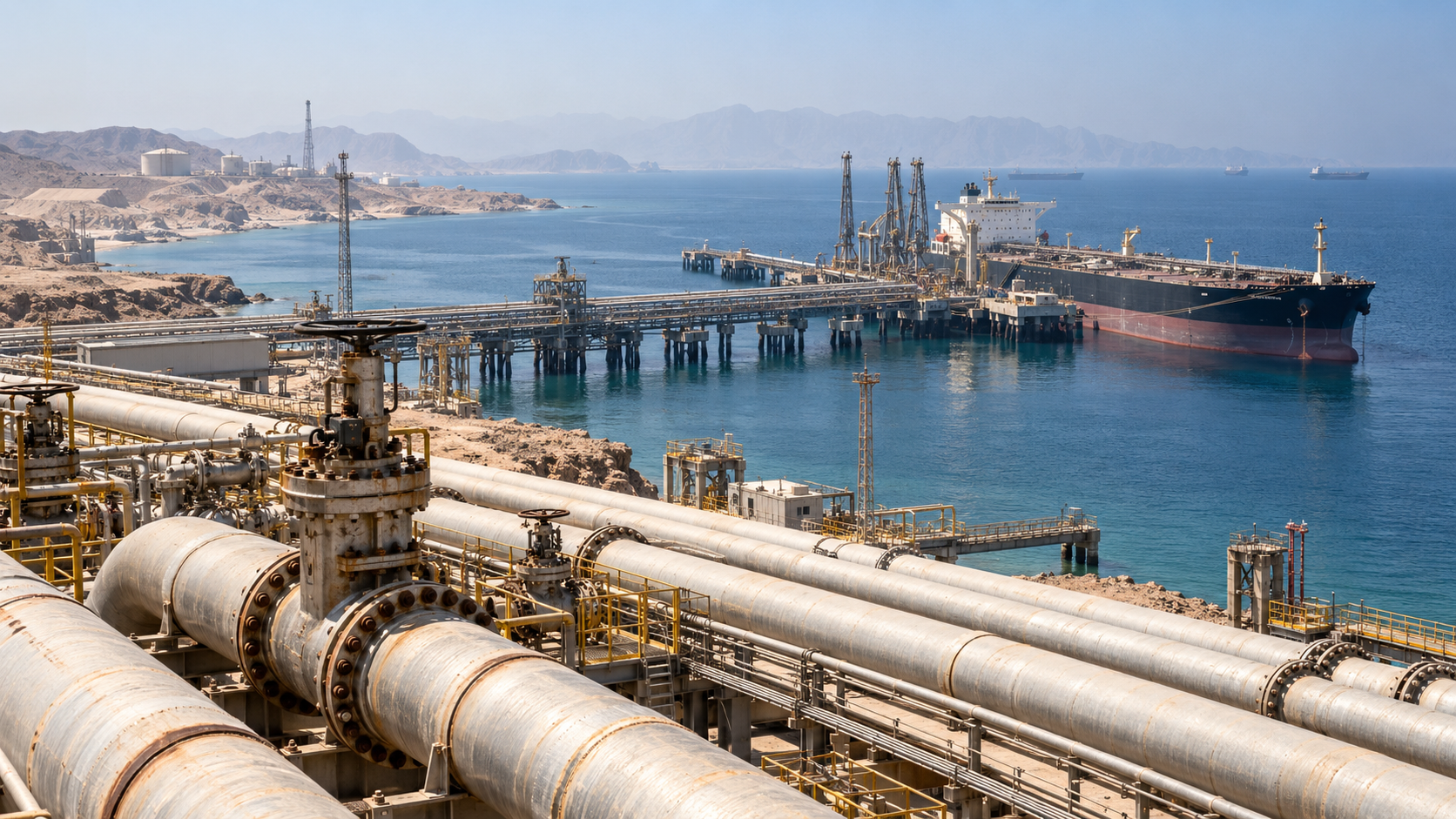
The roughly 18 percentage points between those two readings is the contribution of the workarounds. The largest is Saudi Arabia's East-West pipeline to the Red Sea, which is loading tankers again at reduced rates after repairs.
Exports and prices
Measured by exports, major Middle Eastern producers including Saudi Arabia, Iraq and the United Arab Emirates are exporting almost 13 million barrels a day in September, the best month since February. February's pace, nearly 19 million barrels a day, came before the fighting started, which puts current exports at about 68% of it.
Crude prices fell with the added supply. West Texas Intermediate dropped about 3.4% to near $89.45 a barrel, and Brent traded near $96.20. Gasoil, the European diesel benchmark, touched $1,365.25 a metric ton, its lowest since Sept. 4.
Risk on the water
Tankers are getting through more often because the U.S. Navy and Gulf producers have improved at repelling or avoiding Iranian attacks. The danger remains. The U.K. Maritime Trade Operations authority reported that a projectile of unknown origin hit a vessel in the strait on Monday evening and started a fire, which was extinguished without casualties. A Revolutionary Guard spokesman rejected U.S. claims that shipping is recovering.
Reserve barrels
The Energy Department said Tuesday it wants to lend as much as 40 million barrels from the Strategic Petroleum Reserve. Those barrels would complete the 172 million the U.S. pledged in a joint release with other International Energy Agency members.
A loan works in the current market because oil for delivery now costs more than oil for delivery later, a pattern called backwardation. Kevin Book of ClearView Energy Partners said borrowers can use government crude at today's prices and settle the loan later with cheaper barrels, adding extra oil as interest.
ClearView estimates the reserve would hold about 242 million barrels after the full release and could physically go as low as about 70 million. That leaves roughly 172 million barrels of room above the floor, about the size of the release now under way.
Talks through Qatar
U.S. and Iranian officials met Qatari mediators separately in New York on Monday. "The mediators presented ideas, and we held a discussion that they will also raise with the American side; the final response from the US side will be conveyed to us subsequently, hopefully by tomorrow," Iranian Foreign Minister Abbas Araghchi said. He added that reopening the strait "remains conditional."
President Trump said he had not offered Iran sanctions relief or access to frozen funds. "They want to make a deal to open the Hormuz Strait immediately because they're losing so badly," he said.
The next markers
Two numbers will show which way flows are heading. If the strait's own share climbs from about 62% while the bypass total holds near 80%, shipping through Hormuz is recovering. If the gap stays wide, the region is still leaning on its workarounds. Rising exports also weaken Iran's leverage over the strait, which could raise its incentive to escalate. The U.S. reply Araghchi expects, and how many refiners take up the reserve loan, are the nearer tests.