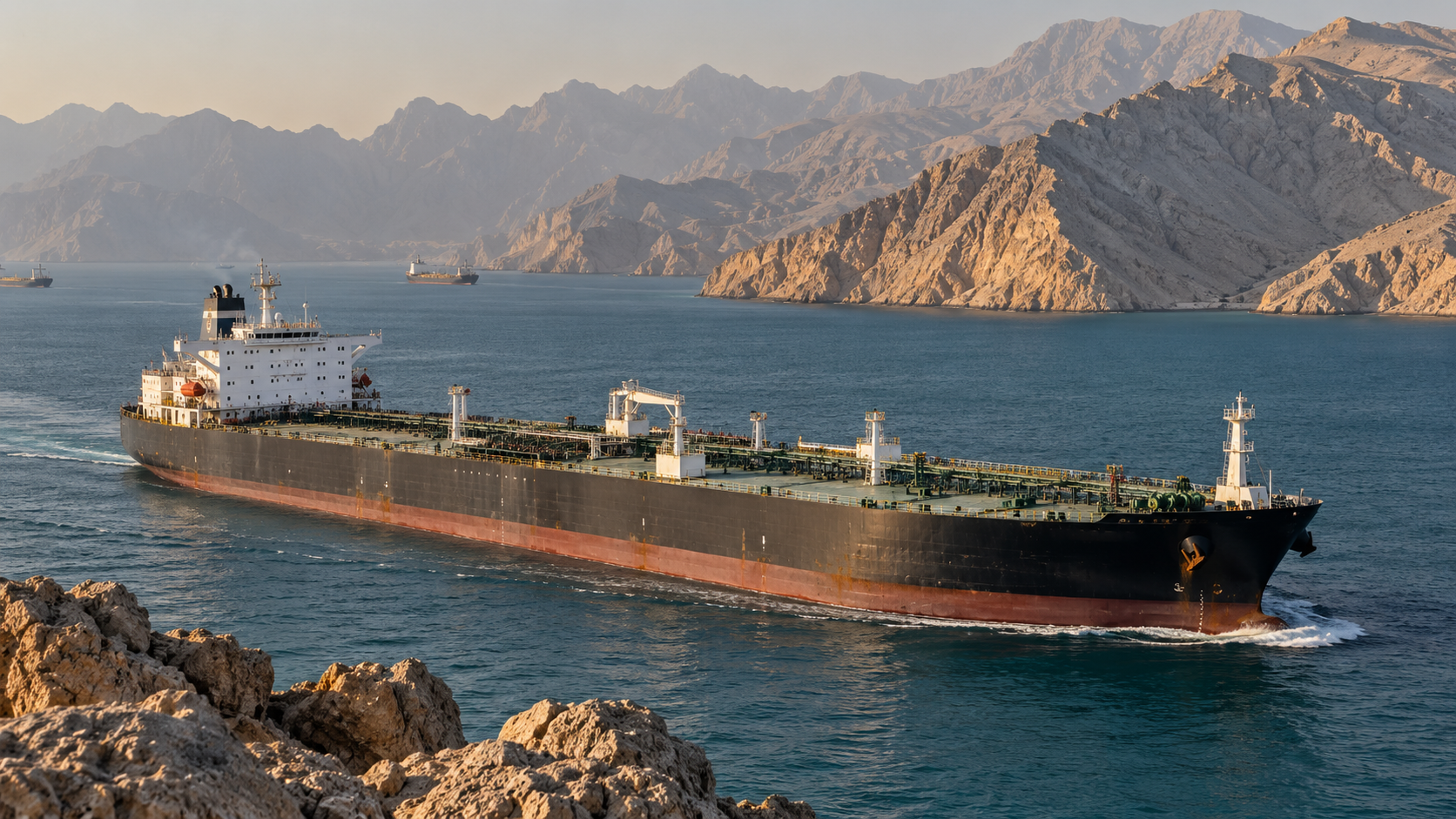
Tehran is reviewing a formal U.S. response, the blockade is tightening and crude still fell, as tanker flows out of the Gulf count for more than rhetoric.
President Trump framed the endgame with Iran in binary terms on Wednesday. The oil market declined to take the bait.
"We blow them up, we make a deal, but the time is coming," Trump said from the Oval Office. "It will end very soon one way or the other."
Crude fell about 1% in Asian trading on Thursday anyway. West Texas Intermediate traded near $90 a barrel and Brent near $97, as recovering exports from the Persian Gulf and an unexpected rise in U.S. inventories outweighed the president's words.
Diplomacy is moving, slowly
Behind the rhetoric, the diplomatic track has advanced. Iran has received an official U.S. response to its proposal through Qatari mediators, and Foreign Minister Abbas Araghchi presented it to President Masoud Pezeshkian's Cabinet, government spokesperson Fatemeh Mohajerani said. "The agreement must now be based on a win-win strategy," Pezeshkian said.
According to an official with knowledge of the negotiations, Washington and Tehran "largely agree about the steps that are needed but still disagree about the order." Tehran is seeking eventual control of the Strait of Hormuz. The United States has completed its troop withdrawal from Iraq.
The blockade grows
The military pressure has not eased. U.S. Central Command said it has redirected 125 commercial vessels while enforcing its blockade of Iranian ports. Two ships were struck by projectiles in the region on Tuesday.
Why oil is not reacting
Physical flows explain the calm. Oil moving through the Strait of Hormuz is running at about 13.2 million barrels a day, and Saudi Arabia has brought its East-West pipeline back to half capacity, letting crude bypass the strait entirely. Each barrel rerouted to the Red Sea is one that no longer depends on the outcome of the talks.
Brent's premium of about $7 over WTI is the market's running estimate of Gulf risk. In a market braced for a strike, that gap would widen as traders bid up seaborne barrels exposed to the region. Instead, it has been shrinking.
Complacent or correct?
One view holds that the market has it right: logistics, not speeches, now set the price, and the war premium is steadily draining away. The other holds that a deal-or-strike ultimatum with a stated short horizon is exactly the kind of tail risk markets underprice until it arrives.
What to watch
Iran's formal reply to the U.S. response is the next marker. OPEC+ ministers meet on Sunday and are expected to keep November quotas unchanged. A widening of the Brent-WTI spread would be the first sign that traders are taking the president's timeline seriously.