Crude rose about 4% as reports of pre-election strike planning against Iran, a tanker attack north of Qatar and a hurricane that has shut a quarter of Gulf of Mexico output arrived together. Heating oil led the move.
| BNO, USO, UHN, UNG, XLE, VLO, MPC, JETS
Oil spent Wednesday falling on the promise of more supply. It spent the night rising on three separate threats to it.
Brent crude for December delivery traded at about $104.20 a barrel early Thursday, up roughly 4% from Wednesday's $100.20 settlement and close to an overnight high of $104.43. U.S. benchmark crude rose by a similar margin to about $91.78, from an $88.28 settlement. Heating oil futures, the benchmark for diesel, gained about 4.2%, more than crude. Gasoline futures rose about 2.5% and natural gas about 1.9%.
Three shocks in one night
The first came from Washington. The White House has asked the Pentagon to develop strike options against Iranian targets that could be carried out before the midterm elections, according to two administration officials. Targets, scope and whether to proceed have not been decided, and some advisers favor waiting until after the vote. Separately, U.S. officials said the Pentagon instructed Central Command several days ago to finish preparations for resuming major combat operations, with no date set. A White House official said the president "has all options available at any time."
President Trump added to the picture at a rally in San Antonio on Wednesday night. "I think the deal isn't really something that I want to do, but they're willing to offer us anything to stop," he said.
The second came from the water. Late Wednesday, Britain's maritime trade agency reported casualties after several projectiles hit a tanker in waters north of Qatar.
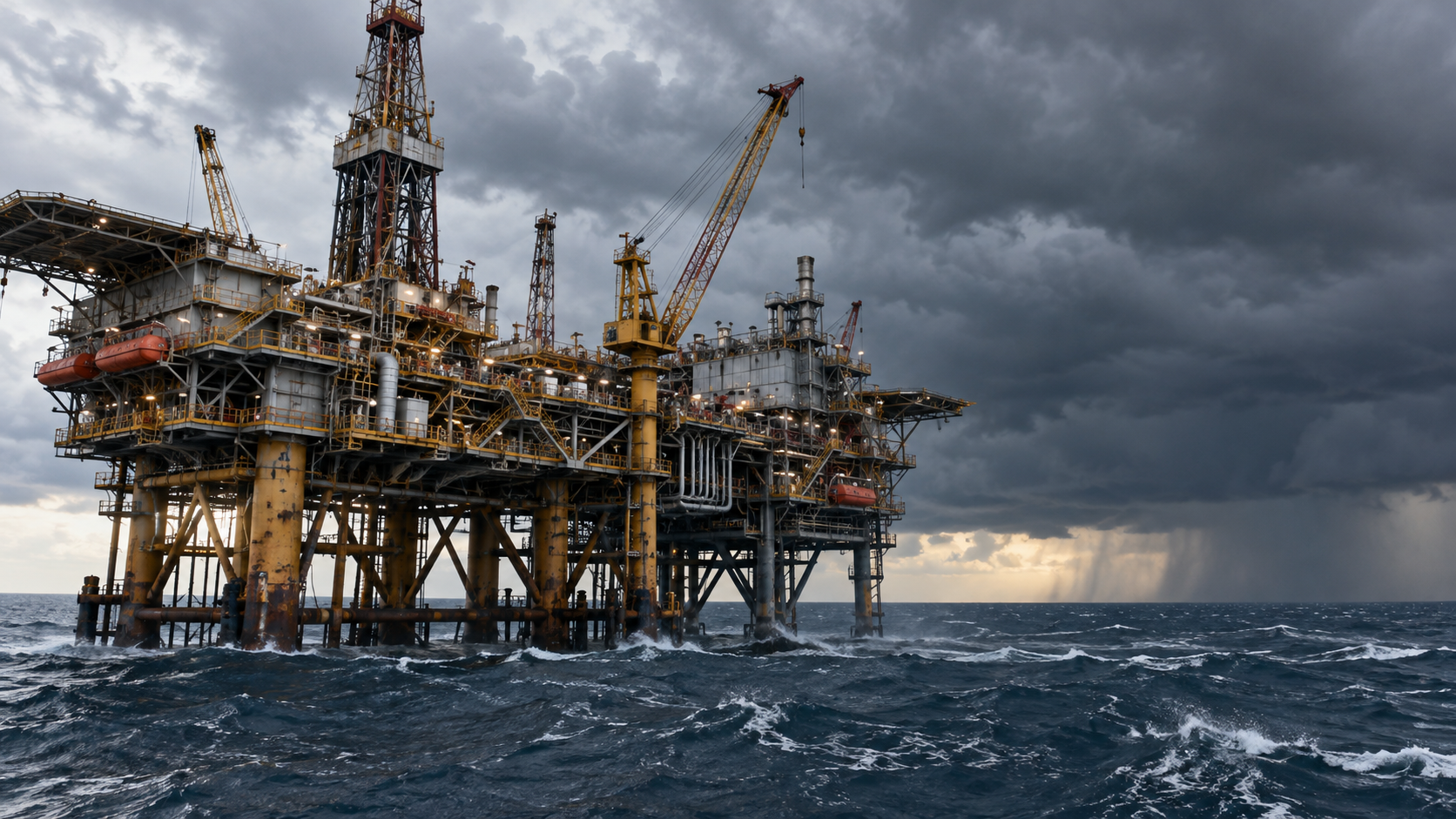
The third came from the weather. Isaias became the first Atlantic hurricane of the season late Wednesday, with maximum sustained winds of 75 miles an hour about 460 miles south-southwest of the mouth of the Mississippi River. Forecasters expect landfall between the Mississippi coast and the Florida Panhandle late Friday or early Saturday. About 25% of Gulf of Mexico oil production, roughly 511,000 barrels a day, had been halted as of Wednesday, and eight of 371 manned platforms were evacuated.
Brent was already near $102.50 during Asian trading and extended its gain into the European morning. The timing fits both the Iran reports and the storm data, and the price action does not separate one from the other.
What the IEA actually offered
On Wednesday, crude settled lower after member governments of the International Energy Agency agreed to speed up stock releases. Read closely, the agency's statement describes acceleration rather than addition.
Members backed "accelerating the oil stock releases announced in the Collective Action of March 2026 with a view to completing them as soon as possible," and prioritizing diesel "given the current tightness in diesel markets." About 325 million barrels have been released so far. Releasing what has been pledged but not yet delivered "would bring approximately 100 million barrels to the market." Members hold around 1.1 billion barrels in total, including more than 200 million barrels of diesel.
The 100 million barrels are the unreleased remainder of a commitment made in March, not a new pledge. They equal about 9% of the stocks members hold. The release brings forward supply the market already expected, and that may explain why its calming effect lasted less than a session.
Products over crude
Heating oil's outperformance continues a pattern visible this fall, in which refined fuels have been tighter than crude itself. The hurricane adds to that risk. Jim Burkhard of S&P Global described the storm's threat to the oil market as "moderate, but rising," with the main exposure in Gulf Coast refineries if the track shifts toward them.
Equity markets outside the U.S. sold off: Tokyo's Nikkei 225 lost 1.42%, the Hang Seng about 1.4% and, by midmorning, the Euro Stoxx 50 about 1.1%. In Europe, oil and gas shares were the only sector in positive territory.
Supply Risks and the Oil Risk Premium
One reading is that a lasting risk premium is coming back. Escalation may be pulled forward, the president says he is not keen on a deal, a quarter of Gulf output is offline and the IEA itself describes diesel as tight.
Another reading is that the move prices shocks that are either temporary or unconfirmed. No strike decision has been made, storm shut-ins typically reverse within days of landfall, and IEA members still hold about 1.1 billion barrels that they could release.
The calendar
Landfall late Friday or early Saturday will show whether refineries are hit. Any on-the-record statement from the White House, the Pentagon or Tehran would change the escalation picture. The September consumer price index and the IEA's monthly oil report both arrive on , the same week IEA governors are expected to meet on release details.