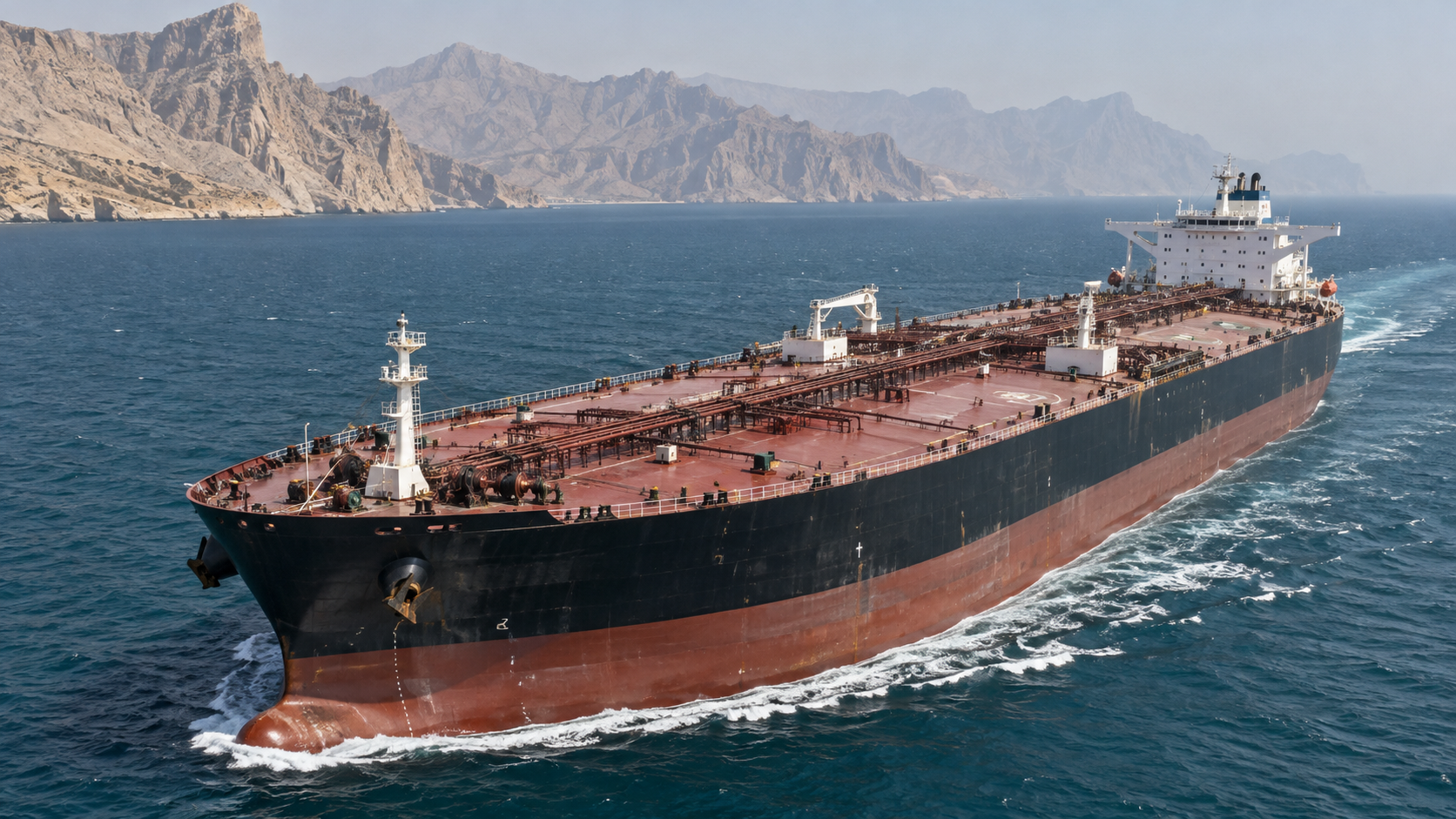
West Texas Intermediate fell as much as 2.8% on hopes for diplomacy, then recovered to trade less than 1% lower. Iranian media said Tehran received the U.S. vice president's letter but has not replied, an Iranian official dismissed a Qatari proposal, and Iran's Revolutionary Guards claimed tankers struck mines near Hormuz.
On Thursday morning, oil traded as if a channel to Tehran had opened. By early afternoon, it was trading as if the channel had not produced anything yet.
West Texas Intermediate crude fell to a low of $99.84 a barrel during the morning, down about 2.8% from Wednesday's close of $102.78, and was about $100.31 shortly before 11 a.m. Eastern. By about 1:45 p.m. it had recovered to about $101.99, down about 0.8% on the day. Brent was at $113.73 at 11:45 a.m., down $1.59.
"Oil prices are under pressure today amid renewed diplomatic efforts," said Giovanni Staunovo, an analyst at UBS, during the morning decline.
What arrived during the day
Several reports moved in the opposite direction from the morning's optimism.
Iran's Tasnim news agency reported that Tehran had received Vice President JD Vance's letter to Mohsen Rezaei, secretary of Iran's Supreme National Security Council, but had not responded and continued to insist on its seven conditions for talks. An Iranian official described a separate draft proposal from Qatari mediators as containing "unacceptable ideas" and said it was "not an offer." A formal Iranian response to the Qatari mediation is expected by the end of the week.
Iran's Islamic Revolutionary Guard Corps said three tankers "exploded and caught fire after hitting sea mines while attempting to cross an unauthorised route south of the Strait of Hormuz" over the previous 24 hours. Iran's regular navy separately claimed that a tanker struck mines in the eastern part of the strait. Neither identified the vessels, and the accounts differ on the number of ships. The UK Maritime Trade Operations center reported a ship on fire about 9 nautical miles north of Khasab, without stating a cause.
President Trump again described the purpose of the Vance outreach as limited to medical supplies.
The contracts read it the same way
Prediction markets traced a similar path. On Polymarket, the contract on the U.S.-Iran ceasefire holding through Nov. 15 fell to about 53 cents in early afternoon from 58.5 cents early Thursday, with nearly all of the decline after noon. The Nov. 8 contract slipped to 80.5 cents from 81.5 cents. The Nov. 15 market is thin, with about $63,500 of liquidity, so its moves are a rough guide.
Gold fell about 0.6% to about $4,028 an ounce.
Discount or premium?
The case that the risk premium is still easing: a letter is in Tehran's hands, a reply to the Qatari proposal is expected within days, and the Revolutionary Guards' claims have not been independently confirmed, with no vessel identified.
The case that it is returning: Iran has not answered, an official has dismissed the mediators' draft, Iranian forces are publicly claiming mine strikes on an unauthorised route through the strait, and the traders who price U.S. strike risk cut their odds of the ceasefire lasting past mid-November.
None of the day's reports can be shown to have caused the rebound. Oil was also moving against a weaker dollar and a sharp sell-off in technology stocks.
What to watch
Iran's formal answer to the Qatari draft, any reply to the Vance letter, identification of any vessels struck in or near the strait, the Oct. 31 ceasefire contract expiry, and statements from Washington after the Nov. 3 midterm elections.